Did You Know? Thailand’s economic landscape is heavily influenced by global trade dynamics, making its monetary policy especially sensitive to international factors.
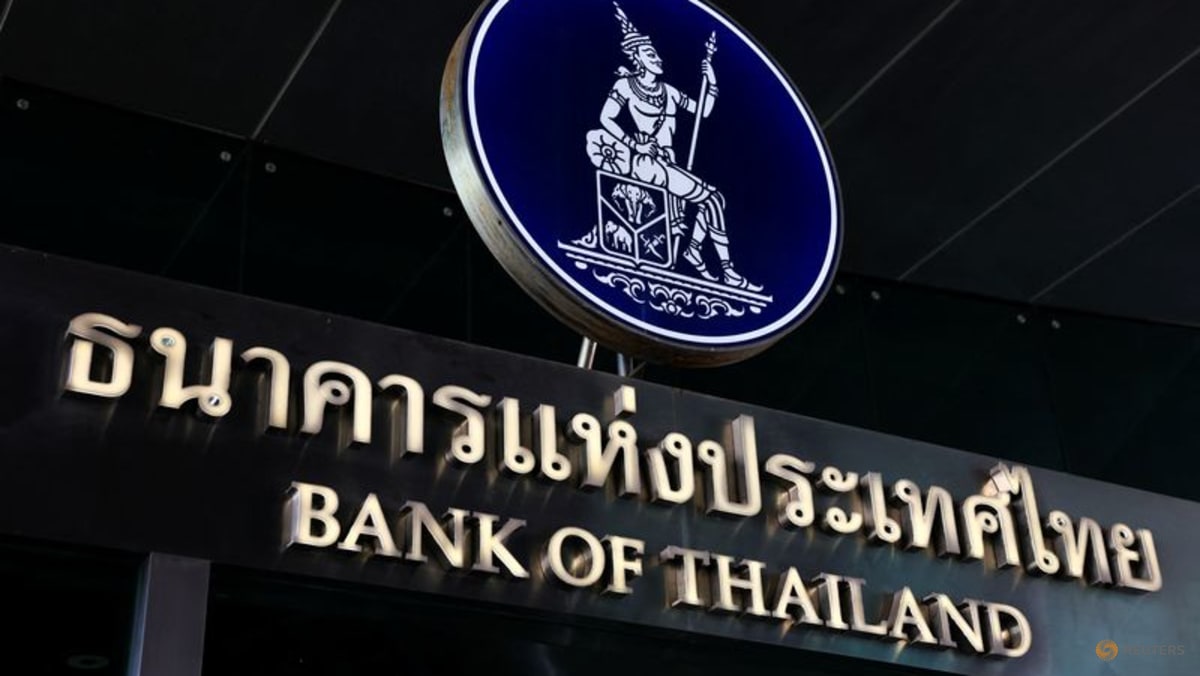
Thailand’s central bank, the Bank of Thailand (BOT), recently signaled its commitment to maintaining a supportive monetary policy to bolster economic recovery. This decision, revealed in the minutes from the October 8th policy meeting released on Wednesday, October 22, 2025, reflects a cautious approach amidst ongoing economic challenges. Monetary policy remains accommodative, and the BOT stands prepared to adjust its strategies as needed to navigate the evolving economic climate. Understanding these nuances is crucial for investors, businesses, and anyone interested in the Thai economy.
Understanding the Bank of Thailand’s Stance
The Monetary Policy Committee (MPC) unexpectedly voted 5-2 to hold the one-day repurchase rate steady at 1.50%. This pause in rate adjustments came despite expectations of further easing, highlighting the complexities facing policymakers. I’ve found that central banks often prioritize careful observation over immediate action, especially when faced with uncertainty.
The committee emphasized the importance of timing and effectiveness in monetary policy, acknowledging the limited room for further cuts. They believe the effects of previous rate reductions are still working their way through the economy. This is a common strategy – allowing previous measures to fully impact the market before implementing new ones.
Factors Influencing the Decision
Several factors contributed to the BOT’s decision. Southeast Asia’s second-largest economy is currently contending with a confluence of headwinds, including the impact of U.S. tariffs, considerable household debt, and the strength of the Thai baht.
| Factor | Impact |
|---|---|
| U.S. Tariffs | Reduced export competitiveness |
| Household Debt | Constrained consumer spending |
| strong Baht | Hinders export growth |
Recent data from the National Economic and Social Advancement Council (NESDC) indicates that Thailand’s economic growth is projected at 2.2% for 2025 and 1.6% for 2026, lagging behind regional peers. This slower growth trajectory underscores the need for continued policy support.
Pro Tip: Keep a close watch on the NESDC’s economic forecasts, as they provide valuable insights into the direction of the Thai economy.
The Role of Leadership and Future Outlook
Governor Vitai ratanakorn, who assumed office in early October, has indicated a willingness to consider further interest rate cuts if necessary to stimulate inflation and economic growth. This signals a proactive approach to addressing potential economic slowdowns.
The next policy review is scheduled for December 17th, and many economists anticipate another rate reduction.Though, the BOT’s recent minutes suggest a more cautious stance, emphasizing the need to assess the impact of existing policies before making further adjustments. What do you think the BOT will decide in December?
Navigating the Current Economic Climate
For businesses operating in Thailand,understanding the BOT’s monetary policy is paramount. A stable interest rate surroundings can provide predictability for investment decisions, while potential rate cuts coudl lower borrowing costs. However, the strength of the baht remains a significant challenge for exporters.
I’ve seen firsthand how currency fluctuations can substantially impact a company’s bottom line. Diversifying markets and hedging currency risk are crucial strategies for mitigating these risks.
Evergreen Insights: Thailand’s Monetary policy Framework
Thailand’s monetary policy framework has evolved significantly over the years.Initially focused on maintaining exchange rate stability, the BOT has gradually shifted towards an inflation-targeting regime. This transition reflects a growing recognition of the importance of price stability for sustainable economic growth.
The BOT’s independence is enshrined in law, ensuring that monetary policy decisions are made free from political interference. This independence is a key factor in maintaining credibility and investor confidence. Understanding this historical context provides a valuable foundation for interpreting current policy decisions.
Frequently Asked Questions About Thailand’s Monetary Policy
Here are some frequently asked questions regarding Thailand’s monetary policy:
- What is the primary goal of the Bank of Thailand’s monetary policy? The primary goal is to maintain price stability conducive to sustainable economic growth.
- How often does the monetary Policy Committee meet? The MPC typically meets eight times a year to review and adjust monetary policy.
- What factors does the BOT consider when setting interest rates? The BOT considers a wide range of factors, including inflation, economic growth, employment, and global economic conditions.
- What is the impact of a strong Thai baht on the economy? A strong baht can make Thai exports more expensive, potentially hindering economic growth.
- How does household debt affect monetary policy decisions? High household debt can constrain consumer spending,limiting the effectiveness of monetary policy easing.
- What are the potential risks associated with low interest rates? Prolonged low interest rates can lead to asset bubbles and financial instability.
- Where can I find more facts about the Bank of Thailand’s monetary policy? You can find detailed information on the BOT’s official website: https://www.bot.or.th/English/Pages/default.aspx
the bank of Thailand’s commitment to accommodative monetary policy reflects a delicate balancing act between supporting economic recovery and managing potential risks. Staying informed about the latest developments and understanding the underlying factors influencing these decisions is essential for navigating the Thai economic landscape. Considering the current global economic uncertainties, the BOT’s cautious approach seems prudent.
Disclaimer: This article provides general information and should not be considered financial advice. Consult with a qualified financial advisor before making any investment decisions.
Keep reading