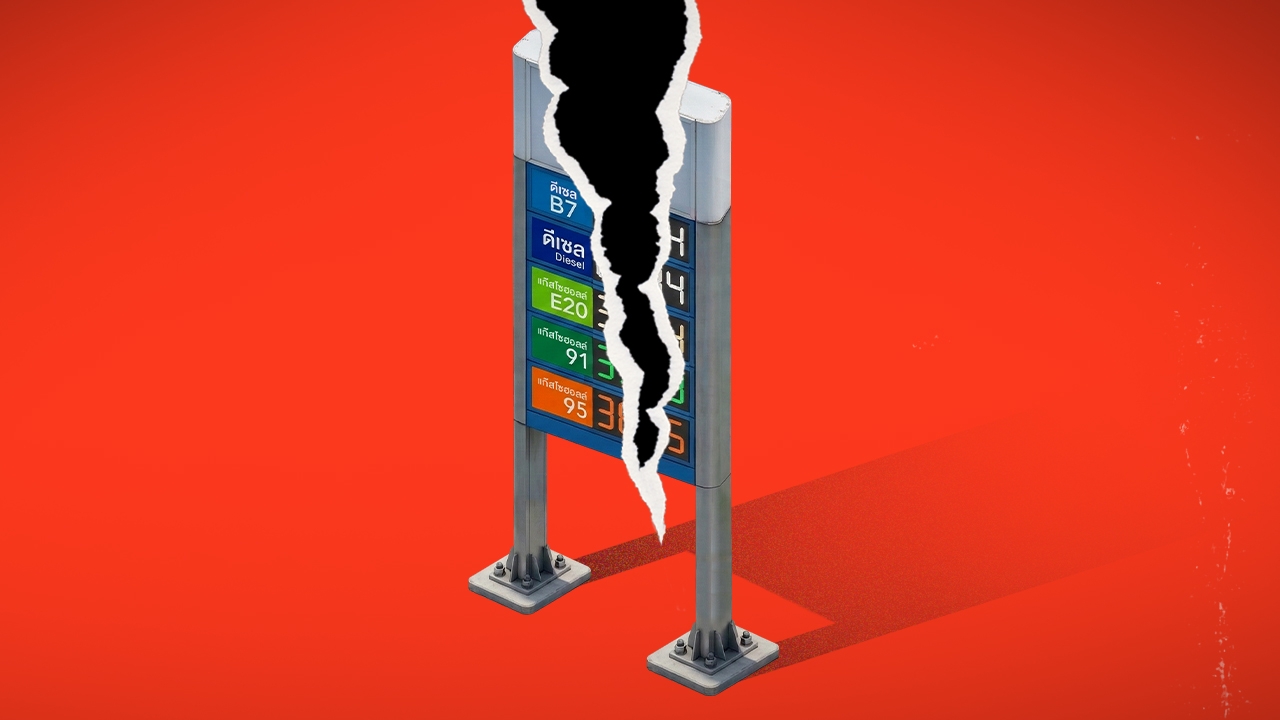
Bangkok – Thai authorities are working to reassure the public that the government has plans in place to mitigate the economic impact of the ongoing conflict in the Middle East, particularly concerning energy prices and supply. Concerns have risen globally about potential disruptions to oil markets, prompting officials in Thailand to emphasize preparedness and stability. The assurances come as the nation closely monitors the situation and prepares for potential volatility in the weeks and months ahead. The Thai government is attempting to balance acknowledging the risks with preventing panic buying and market speculation.
Commerce Minister Supajee Suthamphan, speaking on Monday, March 11, 2026, urged citizens not to panic, stating that the government has both short-term and long-term strategies to address the fallout from the escalating tensions. A key component of this strategy is Thailand’s current oil reserves, which officials say are sufficient for over 90 days of domestic consumption. This buffer is intended to provide a cushion against immediate price shocks and supply interruptions. The government’s response also includes close monitoring of the energy market and coordination with various ministries to ensure a comprehensive approach to protecting consumers.
Government Assurances Amidst Global Uncertainty
The situation in the Middle East has sparked fears of increased oil prices and potential supply chain disruptions, impacting economies worldwide. Thailand, heavily reliant on imported energy, is particularly vulnerable to these fluctuations. Minister Supajee emphasized that the government is actively tracking the situation “day by day” and will provide regular updates to the public through briefings from a dedicated center established to manage the crisis – the Center for Administration and Monitoring of the Conflict Situation in the Middle East (ศบก.).
While acknowledging the potential for prolonged conflict, Supajee reiterated the government’s commitment to controlling prices of essential goods and energy. This commitment is being pursued through a combination of strategic reserve management, close collaboration with energy suppliers, and potential regulatory measures. The government is also addressing concerns surrounding the implementation of work-from-home (WFH) policies, clarifying that such measures are not mandatory.
Oil Reserves and Strategic Planning
Thailand’s oil reserves, exceeding 90 days’ worth of consumption, represent a significant strategic asset in navigating the current crisis. This reserve provides a crucial buffer against short-term supply disruptions and allows the government time to implement longer-term solutions. However, officials recognize that a prolonged conflict could necessitate additional measures to stabilize prices and ensure energy security. The Ministry of Commerce is actively exploring these options, including potential subsidies or tax adjustments, to mitigate the impact on consumers and businesses.
The focus on energy prices is particularly acute, as fluctuations in oil costs have a cascading effect on the prices of goods and services across the economy. The government’s monitoring efforts are concentrated on tracking energy markets to anticipate and respond to price changes effectively. This proactive approach aims to minimize the impact of external shocks on the Thai economy and protect the purchasing power of citizens.
Coordination and Collaboration Across Ministries
Recognizing the multifaceted nature of the crisis, the Thai government is fostering close collaboration between various ministries. This coordinated effort aims to ensure a holistic response that addresses not only energy security but also potential impacts on trade, tourism, and other key sectors of the economy. The Ministry of Commerce is working closely with the Ministry of Energy, the Ministry of Finance, and other relevant agencies to develop and implement a comprehensive strategy.
The governor of Kanchanaburi province has also signaled support for the government’s initiatives, ordering the integration of all relevant sectors within the province to manage energy resources and prepare for potential challenges arising from the Middle East crisis. This localized approach underscores the government’s commitment to a nationwide response, ensuring that all regions are prepared to address the economic consequences of the conflict.
Potential Risks and Mitigation Strategies
Despite the government’s assurances, Thailand remains vulnerable to the economic fallout from the Middle East conflict. Thai PBS reported on March 11, 2026, that Thailand is considered to be at “Level 2” risk regarding energy shortages, highlighting the difficulty in finding alternative sources to replace Middle Eastern oil. This underscores the importance of diversifying energy sources and reducing reliance on a single region. The government is reportedly exploring options for securing alternative energy supplies, but these efforts are likely to be complex and time-consuming.
The potential for a prolonged conflict raises concerns about sustained high energy prices, which could lead to inflation and slower economic growth. The government is prepared to implement additional measures if the situation deteriorates, but the effectiveness of these measures will depend on the severity and duration of the crisis. The government’s ability to maintain price controls and provide subsidies will also be constrained by budgetary limitations.
Impact on Key Sectors
Several key sectors of the Thai economy are particularly vulnerable to the impact of the Middle East conflict. The tourism industry, a major contributor to the country’s GDP, could be affected by reduced travel demand due to global economic uncertainty. The manufacturing sector, reliant on imported raw materials and energy, could face increased production costs and supply chain disruptions. The agricultural sector, dependent on fuel for transportation and irrigation, could also be impacted by higher energy prices.
The government is working to provide support to these affected sectors through targeted assistance programs and policy adjustments. However, the effectiveness of these measures will depend on the scale and duration of the crisis. The government is also encouraging businesses to diversify their supply chains and explore alternative markets to reduce their vulnerability to external shocks.
The situation remains fluid, and the Thai government is committed to closely monitoring developments in the Middle East and adapting its response accordingly. While acknowledging the risks, officials are confident that the country is well-prepared to navigate the challenges ahead and protect the interests of its citizens. The government’s focus on strategic reserves, inter-ministerial coordination, and proactive policy adjustments is aimed at mitigating the economic impact of the conflict and ensuring stability in the face of global uncertainty.
The next key update is expected from the Center for Administration and Monitoring of the Conflict Situation in the Middle East (ศบก.) on March 18, 2026, where officials will provide a comprehensive assessment of the situation and outline any new measures being taken to address the evolving challenges. We encourage readers to share their thoughts and concerns in the comments section below.
Keep reading