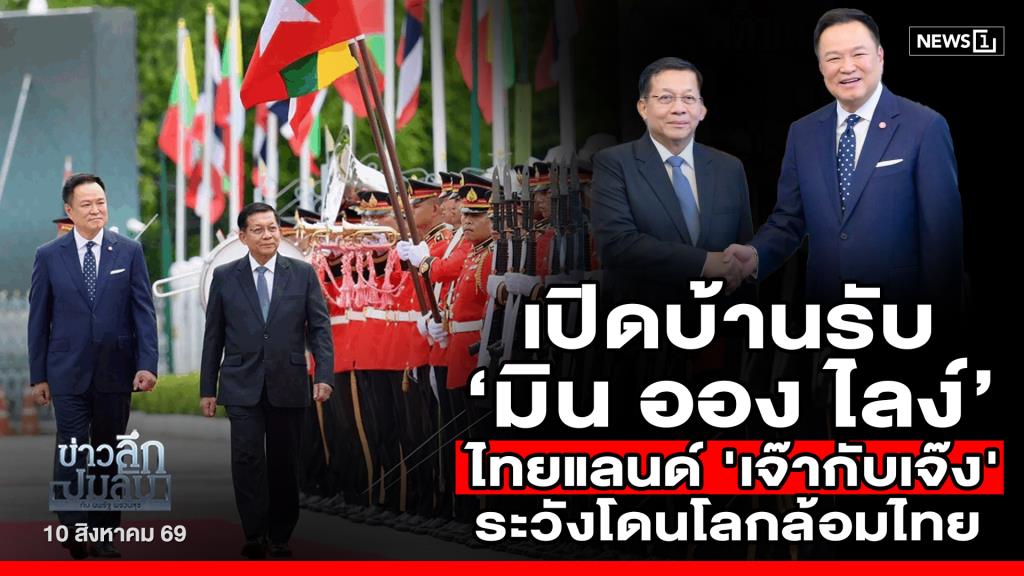
Thailand faces complex geopolitical and economic risks as it navigates diplomatic engagement with Myanmar’s military leadership, while balancing critical energy agreements and regional security concerns. Government officials have emphasized that diplomatic outreach must be evaluated through the lens of national security and economic stability, particularly as neighboring authorities move to revitalize trade and cross-border energy projects.
The diplomatic posture toward Naypyidaw has drawn intense scrutiny from regional analysts and strategic institutes. Observers warn that closer political alignment with the State Administration Council risks isolating Thailand from broader international consensus, potentially exposing the country to diplomatic friction with Western partners. At the same time, domestic energy planners point to the operational necessity of maintaining cross-border infrastructure, including vital natural gas supplies that sustain power generation across the kingdom.
Government spokespeople have defended ongoing bilateral talks, stating that state-to-state relations require a pragmatic approach that accounts for shared borders, trade corridors, and millions of migrant workers. According to official statements from Bangkok, foreign policy decisions are weighed carefully against long-term national interests rather than short-term political pressures.
Geopolitical Pressures and Regional Security Models
Independent security institutes have urged the Thai administration to overhaul its strategic framework regarding its western neighbor. Policy proposals such as the “three corridors” model aim to establish clearer boundaries for managing cross-border threats, including transnational crime, illicit trafficking, and regional instability. Security analysts argue that a passive stance leaves border communities vulnerable to spillover violence and humanitarian pressures.
International human rights organizations and Western diplomatic missions continue to monitor high-level visits and bilateral agreements closely. Critics argue that hosting senior administration figures from Naypyidaw confers unwarranted legitimacy on a regime facing severe domestic opposition. Conversely, pragmatists within foreign policy circles maintain that diplomatic channels must remain open to address humanitarian aid delivery and border management directly.
Economic ministries in Naypyidaw have intensified efforts to revive agricultural production and boost export revenues, looking to regional partners to offset the impact of international sanctions. Thai trade authorities have monitored these developments, assessing both the commercial opportunities in agricultural supply chains and the financial risks of deeper economic entanglement.
Energy Security and Natural Gas Agreements
Central to the ongoing bilateral relationship is the continuation of natural gas imports from offshore fields in Myanmar. Energy officials in Bangkok confirmed that maintaining these supply contracts is essential for stabilizing domestic electricity tariffs and preventing power shortages in industrial sectors.
The long-term extension of these agreements reflects a calculated risk-management strategy by Thai energy regulators. By locking in fuel supplies through established pipelines, the government seeks to insulate consumers from volatile global liquefied natural gas markets. However, critics point out that reliance on a politically unstable supplier creates structural vulnerabilities for Thailand’s power grid.
Industry stakeholders continue to weigh the financial benefits of secure energy imports against the reputational costs of commercial partnerships with military-run enterprises. Public utilities maintain that diversification efforts are underway, but regional gas remains an indispensable baseload fuel.
Next Steps in Bilateral Policy and Monitoring
Readers and stakeholders can monitor official updates through announcements released by the Thai Government House and the Ministry of Foreign Affairs. Public participation and parliamentary oversight remain central as policymakers debate the future trajectory of diplomatic and economic ties.
Worth a look
- Ceuta Migration Crisis: PP Slams Sánchez for Vacationing Amid Border Tension
- Lack of Heat Protection Endangers Children in Schools
- Louisiana Flesh-Eating Bacteria Warning: Beach Safety & Risks (archyworldys.com)
- Octopus Energy Offers Free Electricity to Customers Who Cut Usage During Solar Eclipse (world-today-news.com)