Thailand Establishes Crisis Center to Mitigate Middle East Conflict Impacts
Bangkok, Thailand – In response to escalating tensions in the Middle East, particularly the ongoing conflict between the United States and Israel against Iran, the Thai government has established a dedicated center to monitor the situation and formulate strategies to protect the nation’s economic interests and citizens. The move, announced Friday, March 6, 2026, underscores Thailand’s growing concern over the potential ramifications of the regional instability, especially concerning energy security and trade routes. The establishment of the Centre for Middle East Situation Administration reflects a proactive approach to managing the unfolding crisis and minimizing disruptions to the Thai economy.
The center’s formation comes as the conflict between the US and Israel and Iran entered its seventh day, with hostilities extending into the Gulf region, a critical waterway for global energy supplies. Thailand, heavily reliant on imported oil, is particularly vulnerable to fluctuations in global oil prices. The Thai government recognizes the potential for significant economic fallout, prompting the swift establishment of this coordinating body. The situation demands a comprehensive and coordinated response, bringing together key stakeholders from both the public and private sectors to assess risks and develop mitigation strategies.
Composition and Leadership of the Crisis Center
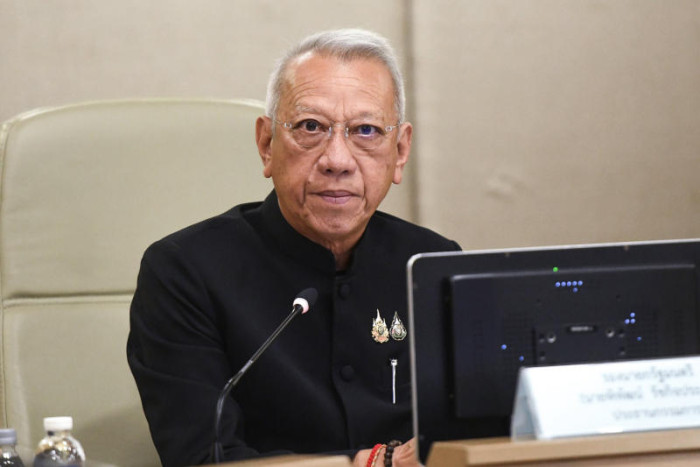
Transport Minister Phiphat Ratchakitprakarn has been appointed to chair the 37-member Centre for Middle East Situation Administration, according to an order signed by Caretaker Prime Minister Anutin Charnvirakul. The Prime Minister will serve as an advisor to the center. This leadership structure aims to ensure both effective operational management and high-level political guidance. The center’s composition is notably broad, encompassing representatives from key government ministries – including Foreign Affairs, Defence, Energy, Commerce, and Labour – as well as leaders from prominent private sector organizations. These include PTT Plc, the Federation of Thai Industries (FTI), the Thai Chamber of Commerce, and the Thai Bankers’ Association. This diverse membership reflects the understanding that addressing the potential impacts of the Middle East crisis requires a collaborative, whole-of-nation approach.
According to reports from The Nation Thailand, Prime Minister Charnvirakul assigned both Transport Minister Ratchakitprakarn and Finance Minister Ekniti Nitithanprapas to co-chair an emergency meeting on March 4, 2026, to assess the situation and formulate a response. This initial meeting focused on the direct impact of the conflict on Thailand, specifically through rising oil prices and the subsequent effects on the cost of goods, transportation, and retail fuel.
Focus Areas and Potential Mitigation Strategies
The primary mandate of the Centre for Middle East Situation Administration is to closely monitor the evolving situation in the Middle East and to propose measures aimed at alleviating any adverse effects on Thailand. A key area of concern is energy security. The Energy Ministry has indicated that Thailand currently maintains oil reserves sufficient for 60 days. However, officials are exploring options to extend this buffer, including potentially curtailing non-essential oil exports currently stored on floating storage vessels without pre-existing contracts. Sources indicate that securing additional storage capacity is also under consideration, requiring discussions with energy companies to assess available tank space and potential collaborative management strategies.
Beyond energy, the center will also assess the broader economic implications of the conflict. This includes monitoring potential disruptions to trade routes, impacts on tourism, and the overall health of the Thai financial system. The involvement of the Thai Bankers’ Association suggests a particular focus on maintaining financial stability in the face of increased global uncertainty. The center is expected to consider adjustments to the country’s retail fuel-blending formulas, specifically the current B5 diesel (containing 5% biodiesel), should oil prices experience further shocks. This demonstrates a willingness to adapt domestic policies to mitigate the impact of external factors.
Thailand’s Economic Vulnerabilities and Regional Implications
Thailand’s economic vulnerability to Middle East instability stems largely from its dependence on imported oil. The country imports a significant portion of its crude oil from the region, making it susceptible to price volatility triggered by geopolitical events. Disruptions to oil supplies could lead to higher energy costs, impacting businesses and consumers alike. The potential for increased inflation and slower economic growth are significant concerns. The Thai economy, still recovering from the impacts of the COVID-19 pandemic, is particularly sensitive to external shocks.
The widening of the conflict to the Gulf region, a crucial chokepoint for global oil shipments, further exacerbates these concerns. Any disruption to maritime traffic through the Strait of Hormuz could have severe consequences for global energy markets and, for Thailand. The government’s proactive establishment of the crisis center signals a recognition of these risks and a commitment to taking preventative measures. The inclusion of representatives from the Federation of Thai Industries (FTI) and the Thai Chamber of Commerce highlights the importance of engaging with the private sector to develop effective mitigation strategies and ensure business continuity.
Looking Ahead: Monitoring and Adaptation
The Centre for Middle East Situation Administration is expected to hold regular meetings to assess the evolving situation and refine its response strategies. The next key checkpoint will be a comprehensive review of the energy sector’s preparedness, scheduled for March 13, 2026, according to sources within the Energy Ministry. This review will focus on the feasibility of extending oil reserves and securing additional storage capacity. The center will also continue to monitor global oil prices and assess the potential impact on the Thai economy.
The Thai government’s swift response to the escalating Middle East crisis demonstrates a commitment to safeguarding the nation’s economic interests and ensuring the well-being of its citizens. The establishment of the Centre for Middle East Situation Administration provides a centralized platform for coordination and decision-making, enabling Thailand to navigate the challenges posed by regional instability. We encourage readers to share their thoughts and perspectives on this developing situation in the comments below.