
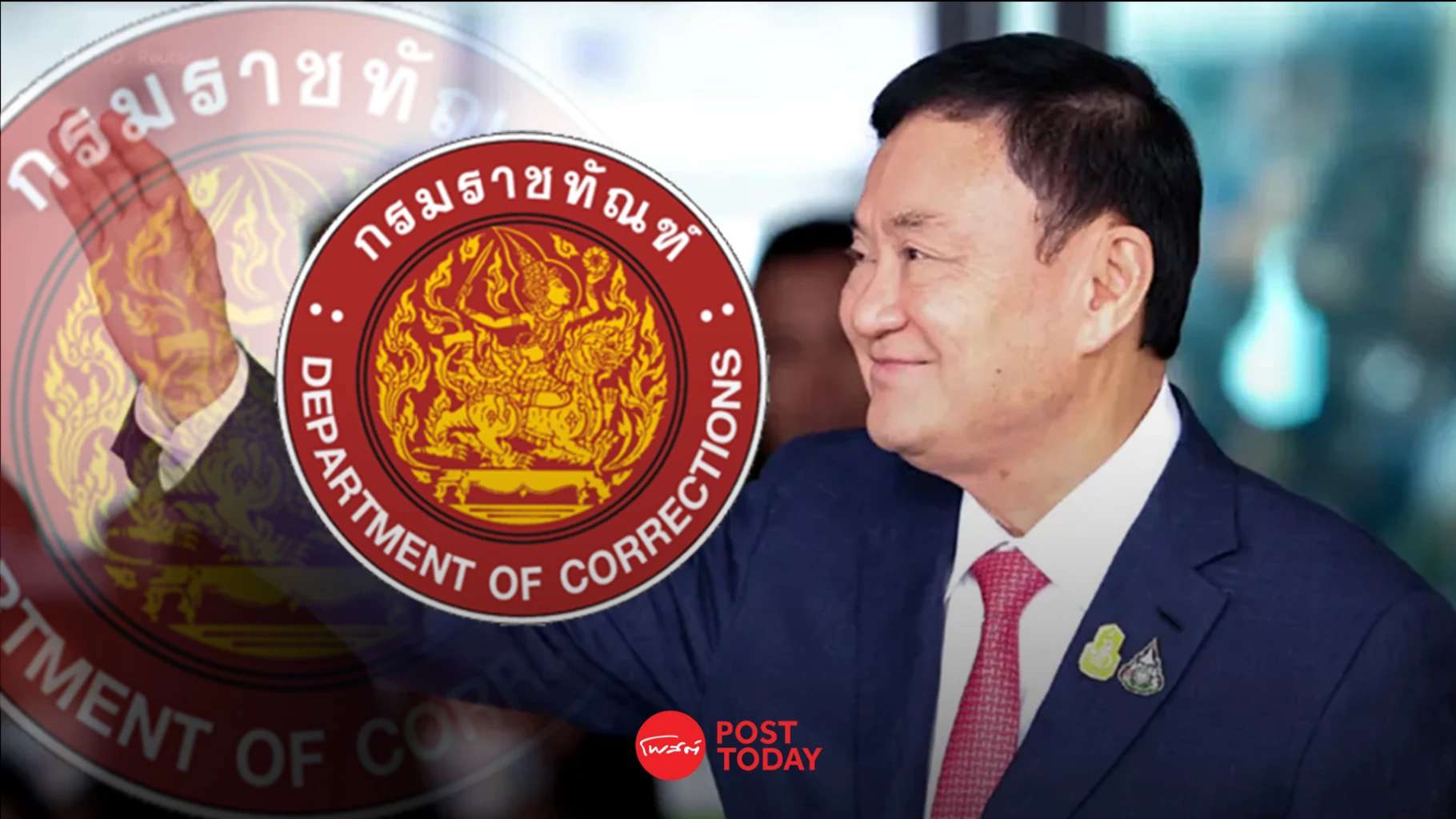
Thailand’s Justice Ministry to Decide on Parole Conditions for Former PM Thaksin Shinawatra
BANGKOK — Thailand’s Ministry of Justice is set to finalize the parole conditions for former Prime Minister Thaksin Shinawatra on Wednesday, April 29, 2026, following months of political and public scrutiny over his early release from prison. Justice Minister Pol. Gen. Ruttapol Naowarat has confirmed that a ministerial-level committee will convene to determine the specific terms of Thaksin’s parole, including whether he will be required to wear an electronic monitoring (EM) ankle bracelet. The decision, Ruttapol emphasized, will be made strictly in accordance with the regulations of the Department of Probation, with no political interference.

Thaksin, 76, was sentenced to eight years in prison in August 2023 on charges of corruption and abuse of power, stemming from his time in office in the early 2000s. He was granted a royal pardon in February 2024, reducing his sentence to one year, and was subsequently released on parole in February 2025 after serving six months. However, his parole terms have remained a subject of debate, particularly regarding the requirement for electronic monitoring, which has been a contentious issue in Thailand’s legal and political circles.
Ruttapol’s announcement comes amid heightened public interest in Thaksin’s case, with supporters and critics closely monitoring the outcome of Wednesday’s meeting. The former prime minister, who remains a polarizing figure in Thai politics, has been at the center of a broader debate about justice, political influence, and the rule of law in the country. His release on parole last year was seen by some as a sign of reconciliation, whereas others viewed it as a politically motivated decision.
Key Details of the Parole Decision
The committee, chaired by the Permanent Secretary of the Ministry of Justice, will review Thaksin’s case based on the Department of Probation’s guidelines for parole conditions. These guidelines outline the criteria for early release, including the prisoner’s behavior, health, and potential risk to society. One of the most debated aspects of Thaksin’s parole has been the requirement for electronic monitoring, which is typically mandated for high-profile or high-risk parolees.
In a press briefing on Tuesday, Ruttapol stated that the decision on whether Thaksin must wear an EM bracelet will be made “according to the rules and without bias.” He added that the committee’s deliberations would be transparent and based solely on legal criteria. “This is not a political issue,” Ruttapol said. “The committee will follow the regulations set by the Department of Probation, and the decision will be final.”
Thaksin’s legal team has previously argued that his age and health conditions should exempt him from electronic monitoring. However, critics, including opposition politicians and human rights groups, have raised concerns about the potential for unequal treatment under the law. The Human Rights Watch has called for transparency in the parole process, urging the Thai government to ensure that Thaksin’s case is handled in accordance with international standards of justice.
Political and Public Reactions
Thaksin’s parole has been a lightning rod for political tensions in Thailand, where his family’s political dynasty has long been at odds with the country’s conservative establishment. His return to Thailand in August 2023, after 15 years in self-imposed exile, was met with both jubilation from supporters and protests from opponents who accused him of evading justice. His subsequent imprisonment and early release have only intensified the debate over his influence in Thai politics.
Supporters of Thaksin, particularly within the Pheu Thai Party, have framed his parole as a step toward national reconciliation. They argue that his continued imprisonment would have deepened political divisions in the country. However, critics, including members of the opposition Move Forward Party, have questioned the fairness of his parole terms, particularly the potential exemption from electronic monitoring. “The justice system must be seen as impartial,” said Pannika Wanich, a spokesperson for the Move Forward Party. “If Thaksin is exempted from standard parole conditions, it will raise serious questions about equality before the law.”
Public opinion on Thaksin’s parole remains deeply divided. A recent survey conducted by Suan Dusit Poll found that 48% of respondents believed Thaksin’s parole terms should be the same as those for other prisoners, while 35% supported more lenient conditions due to his age, and health. The remaining 17% were undecided.
What Happens Next?
The committee’s decision on Wednesday is expected to be final, with no further appeals process. If Thaksin is required to wear an EM bracelet, he will be subject to strict monitoring by the Department of Probation, including restrictions on his movements and regular check-ins. If he is exempted, he will still be required to comply with other parole conditions, such as reporting to probation officers and refraining from political activities.
Thaksin’s legal team has indicated that they will respect the committee’s decision, regardless of the outcome. “We trust that the process will be fair and transparent,” said a spokesperson for Thaksin’s legal team. “Our client is prepared to comply with whatever conditions are set.”
The outcome of Wednesday’s meeting is also expected to have broader implications for Thailand’s legal and political landscape. If Thaksin is exempted from electronic monitoring, it could set a precedent for future high-profile parole cases. Conversely, if he is required to wear an EM bracelet, it may signal a shift toward stricter enforcement of parole conditions for all prisoners, regardless of their status.
Understanding Thailand’s Parole System
Thailand’s parole system is governed by the Department of Probation, which operates under the Ministry of Justice. The system allows for early release of prisoners who meet certain criteria, including fine behavior, health conditions, and a low risk of reoffending. Parolees are typically required to comply with a set of conditions, which may include electronic monitoring, regular reporting to probation officers, and restrictions on travel or political activities.
Electronic monitoring has become an increasingly common tool in Thailand’s criminal justice system, particularly for high-profile or high-risk offenders. The leverage of EM bracelets is intended to ensure compliance with parole conditions and to deter reoffending. However, the system has faced criticism for its potential to infringe on privacy rights and for its uneven application across different cases.
In Thaksin’s case, the debate over electronic monitoring has highlighted the broader challenges facing Thailand’s justice system, including concerns about political interference, transparency, and the equal application of the law. The outcome of Wednesday’s meeting will be closely watched as a test of the system’s ability to balance justice, rehabilitation, and public trust.
Key Takeaways
- Decision on Parole Conditions: Thailand’s Ministry of Justice will finalize the parole conditions for former Prime Minister Thaksin Shinawatra on April 29, 2026, including whether he must wear an electronic monitoring bracelet.
- Strict Adherence to Rules: Justice Minister Pol. Gen. Ruttapol Naowarat has emphasized that the decision will be made in accordance with the Department of Probation’s regulations, with no political interference.
- Public and Political Divide: Thaksin’s parole has sparked debate over justice, political influence, and the rule of law in Thailand, with supporters and critics offering sharply differing views.
- Broader Implications: The outcome of Wednesday’s meeting could set a precedent for future high-profile parole cases and influence public trust in Thailand’s justice system.
- Next Steps: The committee’s decision is expected to be final, with Thaksin required to comply with whatever conditions are set. The Department of Probation will monitor his compliance moving forward.
The Ministry of Justice is expected to announce the committee’s decision on Wednesday afternoon. For the latest updates, readers can follow official statements from the Ministry of Justice or reputable news outlets covering the story.
What are your thoughts on Thaksin’s parole conditions? Should high-profile prisoners be subject to the same parole terms as others? Share your views in the comments below and join the conversation.