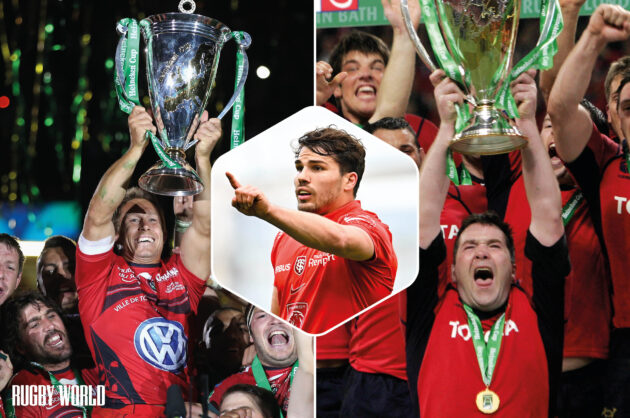
The European Rugby Champions Cup stands as the pinnacle of northern hemisphere club rugby. Since its inception in 1995, the competition has evolved from a nascent tournament into a global sporting spectacle, defined by moments of individual brilliance and collective tactical masterclasses. As fans and analysts reflect on the rich history of the tournament, the conversation inevitably turns to those who have left an indelible mark on the pitch and the sidelines.
Identifying the 12 greatest players in European Champions Cup rugby history is a complex endeavor, given the depth of talent that has graced the competition over the last three decades. From the early dominance of French and English clubs to the modern era of Leinster and Toulouse, the history of the tournament is written by those who performed under the immense pressure of continental knockout rugby. Evaluating these legends requires looking beyond mere statistics to the impact they had on their respective clubs’ legacies.
The Evolution of European Rugby Excellence
The tournament, originally known as the Heineken Cup, was established to foster competition between the top clubs from the Five Nations. According to the official history of the European Professional Club Rugby (EPCR), the competition officially kicked off in the 1995-1996 season. Over the years, the tournament has seen significant structural changes, including expanded qualification criteria and the transition to the current Champions Cup format.
The players who have defined this era are often characterized by their longevity and their ability to secure silverware. Legends like Ronan O’Gara, who holds the record for the most points scored in the history of the competition, and Brian O’Driscoll have become synonymous with the tournament’s prestige. Their contributions helped elevate the standard of play, pushing teams to adopt more professional training regimes and sophisticated tactical frameworks.
Defining the Icons of the Champions Cup
When curating a list of the most influential figures in the competition’s history, the diverse roles that contribute to success. While try-scorers often capture the headlines, the tactical vision of fly-halves and the physical dominance of forwards are equally critical. The EPCR records highlight that clubs such as Stade Toulousain and Leinster Rugby have historically been the most successful, often serving as the primary proving ground for these iconic players.

In analyzing the impact of these individuals, we see a recurring theme of adaptability. The game of rugby has changed significantly since the mid-90s, becoming faster and more focused on breakdown efficiency. The players who remain at the top of the pantheon are those who successfully transitioned through these tactical shifts. For example, the defensive prowess and leadership displayed by players during the transition to the professional era set a benchmark for future generations.
Why Individual Impact Resonates
The legacy of these 12 players and coaches—whose names are frequently debated in rugby circles—is not just found in trophy cabinets. We see found in the way they influenced the culture of their clubs. A player’s influence is often measured by their ability to remain a constant force in a competition that demands peak physical condition year after year. The governing body for international rugby frequently emphasizes the importance of these domestic competitions in preparing players for the rigors of the international stage.
For the average fan, watching these legends compete provided a masterclass in skill, discipline, and strategic thinking. Whether it was a last-minute drop goal or a perfectly timed defensive line, these moments defined the Champions Cup. As we look toward the next final, the influence of these past titans remains the yardstick by which all current performances are measured.
Key Takeaways from the Champions Cup History
- The competition has been the primary driver of professional club rugby in Europe since 1995.
- Statistical leaders, such as the highest points scorers and try scorers, provide a quantifiable look at dominance.
- The success of clubs is often tied to the long-term commitment of key players and coaches who bridge multiple tournament cycles.
- Modern advancements in sports analytics have allowed for a more granular understanding of player performance in high-stakes European matches.
As the tournament continues to evolve, the challenge remains for new players to carve out their own legacies alongside the icons of the past. With the next season already in the planning stages, fans can expect the level of competition to rise as clubs seek to add their names to the storied history of the European Champions Cup. We invite our readers to share their own thoughts on who deserves a spot in the top 12 of European rugby history in the comments section below.
For the latest updates on the upcoming Champions Cup fixtures and official tournament news, visit the official EPCR portal.