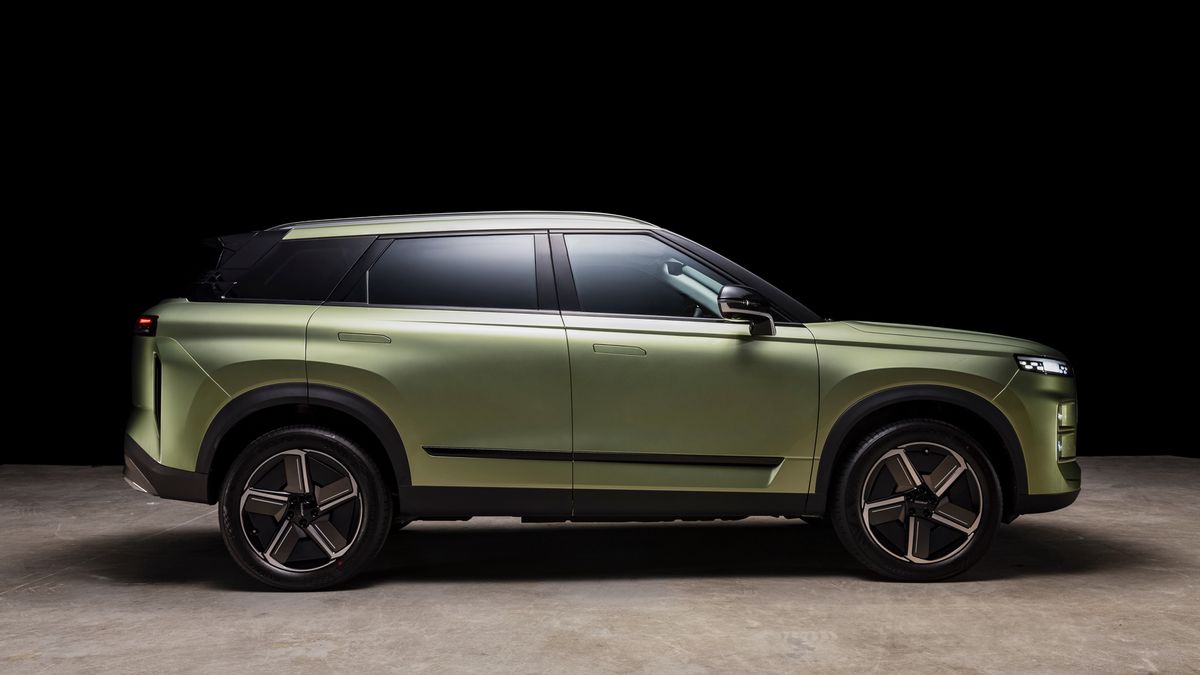
For the modern driver, the quest for a capable all-wheel-drive vehicle often feels like a choice between two extremes: overpriced luxury SUVs or utilitarian workhorses that lack basic comforts. However, a significant shift is occurring in the European automotive landscape as consumers increasingly pivot toward value-driven alternatives to combat rising living costs and vehicle inflation.
At the center of this movement is the strategic rebranding and market push of KG Mobility, known globally as KGM. Formerly operating as SsangYong, the South Korean manufacturer has repositioned itself to fill a critical gap in the market: the demand for affordable 4×4 vehicles that do not sacrifice family-oriented utility for a lower price point.
The transition from SsangYong to KGM is more than a cosmetic name change; it represents a broader corporate evolution following the acquisition by the KG Group. By streamlining its lineup and focusing on “adventure-ready” accessibility, KGM is targeting a demographic of buyers who require the security of a four-wheel-drive system but are priced out of the premium segments dominated by German and Japanese incumbents.
As Chief Editor of Business at World Today Journal, I have tracked the volatility of global supply chains and the subsequent spike in automotive pricing over the last few years. The emergence of KGM as a viable, budget-friendly alternative suggests a correction in the market, where “value” is once again becoming a primary competitive advantage in the SUV sector.
The Evolution of KG Mobility: From SsangYong to KGM
The rebranding to KG Mobility marks a pivotal moment for the Korean automaker. The shift was necessitated by a need for financial stability and a renewed vision for global expansion. By shedding the legacy of SsangYong and adopting the KGM moniker, the company is signaling a commitment to modernization, particularly in how it approaches the European and North American markets.
From an economic perspective, this rebranding is a calculated move to distance the brand from past financial instabilities and align itself with the KG Group’s broader industrial strengths. For the consumer, this means a more aggressive pricing strategy and a focus on models that provide high utility-per-dollar. The company is no longer just selling cars; We see selling a “lifestyle of adventure” that remains financially attainable for the middle class.
This strategy is particularly effective in regions like Central Europe, where the demand for versatile vehicles—capable of handling both urban commutes and rugged winter terrain—remains high, but disposable income is under pressure from macroeconomic headwinds.
Analyzing the Value Proposition: The Tivoli and Korando
KGM’s current strategy relies heavily on two core pillars: the Tivoli and the Korando. These models are designed to capture different segments of the budget-conscious market, offering a tiered approach to size and capability.
The Tivoli serves as the entry point into the brand’s 4×4 ecosystem. Positioned as a compact crossover, it targets young professionals and small families. Its primary appeal lies in its footprint; it is small enough for dense city navigation but equipped with the drivetrain necessary for light off-roading and adverse weather conditions. By keeping the entry price low, KGM is successfully attracting first-time SUV buyers who would otherwise be limited to front-wheel-drive hatchbacks.
For those requiring more space, the Korando moves the needle toward a traditional family SUV. It offers a significant increase in cargo capacity and interior volume, making it a competitive alternative for those who need a “do-everything” vehicle. The Korando emphasizes the balance between a rugged exterior aesthetic and the practical requirements of family transport, such as ample trunk space and enhanced safety features.
The business logic here is clear: by offering a “good-better-best” hierarchy of affordability, KGM ensures that it captures the widest possible range of the budget-oriented consumer base. While competitors often push buyers toward expensive trim levels to get all-wheel-drive capabilities, KGM integrates these features into more accessible configurations.
The Economic Driver: Why Budget 4x4s are Surging
The surge in interest for affordable 4×4 vehicles is not an isolated trend but a reflection of broader economic shifts. We are seeing a “flight to value” across multiple consumer sectors. In the automotive world, this manifests as a preference for brands that provide essential mechanical capabilities—like all-wheel drive—without the “brand tax” associated with luxury badges.

Several factors are contributing to this trend:
- Inflationary Pressure: As the cost of living rises, consumers are scrutinizing the “utility-to-cost” ratio of their largest purchases. A vehicle that can handle snow, mud, and highways while costing significantly less than a premium equivalent is an easy economic choice.
- The “Adventure” Trend: There has been a documented increase in domestic tourism and outdoor recreation. Consumers want vehicles that look and act “adventurous,” regardless of whether they actually take the car off-road every weekend.
- Market Gap: Many legacy manufacturers have moved their entry-level models “upmarket,” leaving a void in the sub-€25,000 or sub-€30,000 SUV category that KGM is now aggressively filling.
From a market analysis standpoint, KGM is utilizing a “disruptor” strategy. They are not trying to out-engineer the luxury brands in terms of prestige; they are out-positioning them in terms of accessibility. This allows them to gain market share quickly in emerging and established European markets where price sensitivity is peaking.
What This Means for the Global Automotive Market
The success of KGM’s budget-friendly approach provides a roadmap for other manufacturers. It proves that there is still a massive, underserved market for “honest” vehicles—cars that do exactly what they claim to do without unnecessary complexity or inflated pricing.
However, the challenge for KGM moving forward will be maintaining this value proposition while navigating the transition to electrification. The cost of battery technology often pushes “budget” EVs into a higher price bracket, which could threaten the very affordability that has made the Tivoli and Korando successful. To remain competitive, KGM will need to find a way to implement hybrid or electric drivetrains without alienating its price-sensitive core audience.
the brand must continue to build trust in its after-sales service and reliability. For many buyers, the primary hesitation with a budget-friendly Korean brand is the long-term resale value and the availability of parts compared to established giants like Toyota or Volkswagen. As KGM expands its dealer networks across Europe, this perceived risk is gradually diminishing.
Key Takeaways for Potential Buyers
- Brand Transition: SsangYong is now KG Mobility (KGM), reflecting new ownership and a refreshed corporate strategy.
- Model Selection: The Tivoli is ideal for urban agility and entry-level 4×4 needs, while the Korando is tailored for families requiring more space and utility.
- Value Focus: KGM is specifically targeting the “value gap” in the SUV market, offering all-wheel-drive capabilities at a lower price point than most competitors.
- Market Trend: The rise of budget 4x4s reflects a broader consumer shift toward utility-driven purchasing in an inflationary economy.
As we look toward the remainder of 2026, the next major milestone for the company will be the unveiling of its updated electric vehicle roadmap for the European market. This will determine if KGM can maintain its status as the champion of affordability in the age of the EV transition.
Do you think value-driven brands like KGM will permanently displace premium SUVs for the average family? Share your thoughts in the comments below.
- AI in Education: The New Generation of Learning
- HK Tour Groups in Kyushu Safe After Powerful 7.1-Magnitude Japan Earthquake
- Spy Shots: Ferrari 12Cilindr, BMW i4 Convertible and Range Rover Sport – Specialty Equipment Market (archyde.com)
- Chelsea Set Sale Price for Enzo Fernández After Rejecting Pay Rise (archynewsy.com)