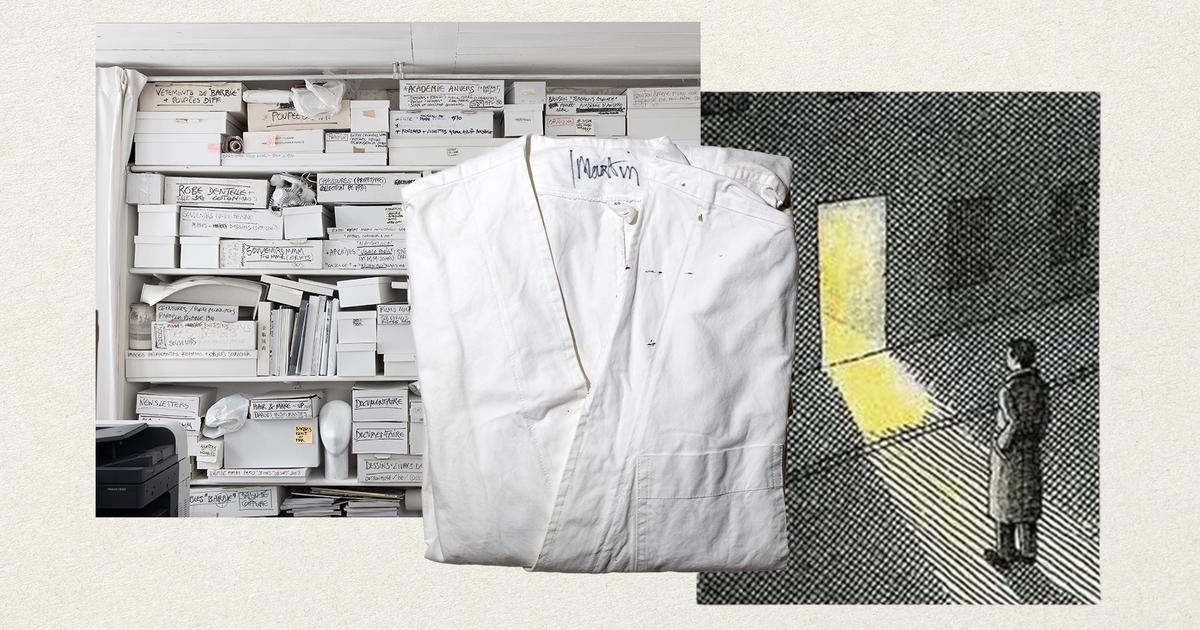
Martin Margiela, the Belgian designer who reshaped modern fashion through radical anonymity and deconstruction, first emerged on the international runway in 1988 before orchestrating a deliberate media disappearance just five years later. Throughout his career, the influential minimalist rejected the traditional trappings of celebrity culture, famously stating, “I don’t like the idea of being a celebrity.” His approach redefined luxury fashion by shifting focus away from personal fame and placing it entirely on garments, textiles, and structural innovation.
As Editor of the Entertainment section at World Today Journal, I have tracked how foundational design philosophies continue to influence contemporary luxury houses and independent labels worldwide. Born in Genk, Belgium, in 1957, Margiela graduated from the Royal Academy of Fine Arts in Antwerp before working as a freelance designer and assisting Jean Paul Gaultier. When he launched his eponymous label in Paris in 1988 with partner Jenny Meirens, the fashion industry was dominated by larger-than-life superstars and supermodels. Margiela immediately subverted those conventions by staging shows in unconventional venues—such as abandoned metro stations, playgrounds, and empty parking lots—and casting everyday people alongside professional models.
The avoidance of personal publicity became a defining pillar of the brand’s identity. Unlike his contemporaries, Margiela never took a traditional post-show bow on the runway, declined magazine cover profiles, and avoided having his photograph published. When press interviews occurred, answers were frequently provided via fax on behalf of “the Maison,” using the collective pronoun “we” to emphasize teamwork over individual genius. This calculated absence not only protected his privacy but also created a powerful mystique that captivated editors, buyers, and future generations of creators.
The Architecture of Anonymity in Fashion
The house’s signature aesthetic relied heavily on deconstruction, exposed seams, upcycling, and reclaimed materials long before sustainability became an industry buzzword. Garments featured blank white clothing labels held together by four white stitches at the corners, allowing customers to cut away the branding entirely if they chose. According to historical retrospectives by institutions like the ModeMuseum (MoMu) in Antwerp, this deliberate erasure of designer ego allowed wearers to form a direct, unmediated relationship with the clothing.
Industry analysts note that Margiela’s approach challenged the commercial machinery of late-20th-century luxury. By refusing to participate in the burgeoning celebrity stylist and red-carpet ecosystem, the label demonstrated that cultural relevance could be achieved through pure design integrity rather than personal brand-building. The iconic Tabi boot, split-toe footwear inspired by traditional Japanese socks, remains one of the most recognizable and enduring items from the house, continually reissued in various iterations by current creative directors.
Legacy and Contemporary Influence
Following his departure from fashion in 2009, Margiela transitioned into fine art, presenting major exhibitions of sculptures, paintings, and installations at venues such as Lafayette Anticipations in Paris. His later artistic endeavors maintained the same inquisitive spirit that defined his runway years, exploring permanence, fragility, and perception.
Current cultural discussions surrounding fashion autonomy often trace back to those foundational collections in Paris during the late 1980s and early 1990s. Designers such as Demna Gvasalia at Balenciaga and various alumni of the Antwerp Royal Academy have openly cited Margiela’s structural innovations and protective anonymity as blueprints for modern independent creation. As digital platforms demand constant personal visibility from modern artists, the Belgian visionary’s quiet withdrawal serves as a lasting reminder of the power inherent in stepping back from the spotlight.
We welcome your thoughts on how radical anonymity continues to shape modern design. Please share your perspective in the comments below.
Related reading