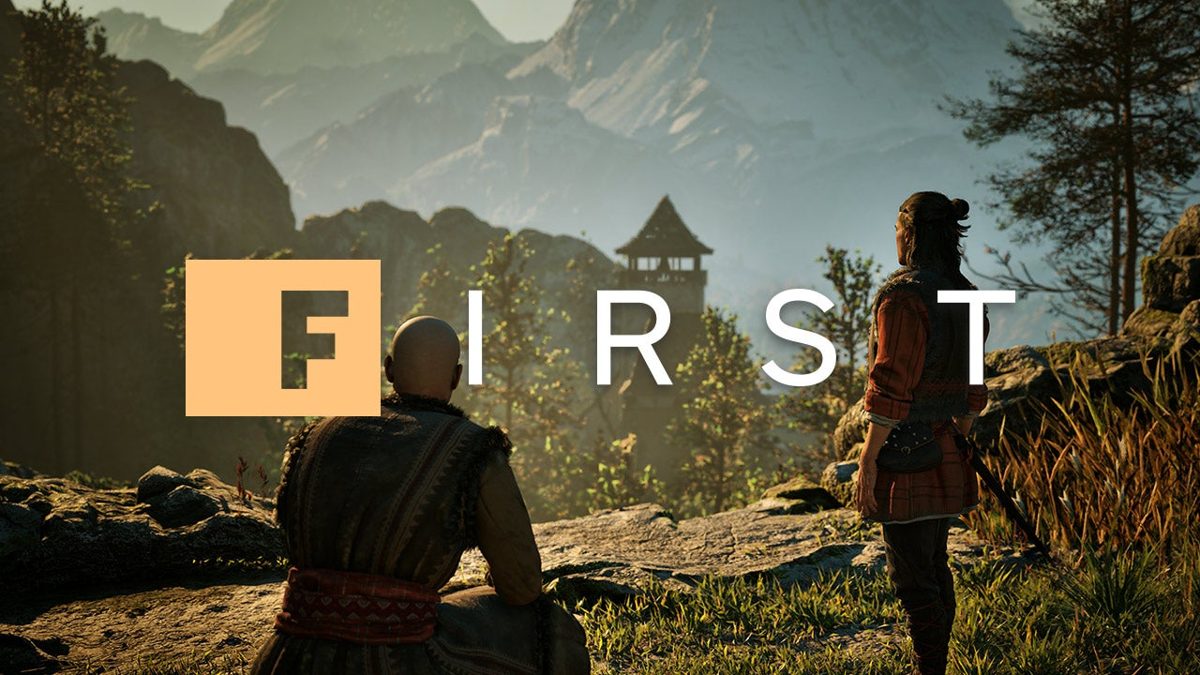
Open-world role-playing games often trap players in loops of repetitive map cleaning, ticking off icons for experience points rather than engaging with a living setting. For the team building The Blood of Dawnwalker at newly formed studio Rebel Wolves, that design philosophy is getting a complete overhaul. According to IGN, the upcoming dark fantasy project seeks to replace checklist-heavy design with handcrafted, story-driven spaces inspired by tabletop role-playing sessions.
Konrad and Mateusz Tomaszkiewicz on Rejecting Map Bloat
The push against conventional open-world fatigue comes directly from studio leadership. Konrad Tomaszkiewicz, who directed The Witcher 3, and his brother, creative director Mateusz Tomaszkiewicz, have built their new project around the explicit goal of eliminating uninspired design tasks. Mateusz, whose design credits include lead quest work on The Witcher 3 and Cyberpunk 2077 at CD Projekt Red, expressed clear frustration with massive virtual environments that lack substance.
“I feel tired with games that are way too big. I don’t have that much time, and I prefer more condensed experiences, but I still enjoy open worlds.”
Mateusz Tomaszkiewicz, Creative Director, via pushsquare.com
Rather than designing sprawling maps filled with empty terrain, the developers look to Gothic games for inspiration. Those earlier titles relied on smaller geographical footprints packed tightly with details, unique characters, and distinct quests. By scaling back empty travel spaces, the studio intends to keep players immersed in meaningful interactions.
Vale Sangora and the Gothic Atmosphere of Eastern European Folklore
The setting for the adventure is Vale Sangora, a valley ruled over by a powerful Vampire Court powered by anger and infamy systems. Narrative director Jakub Szamalek shaped the region’s aesthetic and tone by drawing from the historical themes and folklore of Eastern Europe, a landscape defined by centuries of migration and conflict.
“Rather than particular historical moments, this game is inspired by the overall themes and main strands of Eastern European history and folklore. It’s always been a place of migration and it’s always been a place of conflict. There’s a lot of blood that seeped into the soil of Eastern Europe, which is maybe why it’s so fertile and why we have such dark, dark stories.”
Jakub Szamalek, Narrative Director, via IGN
This atmosphere manifests directly in architectural and environmental choices. One major focal point in the capital city is a massive Gothic cathedral built from intricately detailed stone. According to IGN, the developers wanted players stepping out of a medieval peasant’s thatched cottage and into the capital to immediately feel the overwhelming scale and austere architecture characteristic of historical ecclesiastical centers.
Coen’s Journey and the 30-Day In-Game Time Resource
Players step into the role of Coen, a young man afflicted with the curse of vampirism. His journey begins when his family is abducted by the despotic vampire lord Brencis and his lieutenants, setting off a desperate race across Vale Sangora. According to preview coverage from comicbook.com, the prologue establishes that Coen’s loved ones are slated for sacrifice in exactly one month, giving players 30 in-game days and nights to stage a rebellion.
Instead of imposing a frantic, real-time clock like the one found in Dead Rising, Rebel Wolves treats time as a strategic resource. Moving freely across the map does not consume time unless the player manually triggers a transition between day and night.
Dual Gameplay Mechanics: Human Day Versus Vampire Night
The passage of time also alters moment-to-moment gameplay through Coen’s unique physiological status as a Dawnwalker. During daylight hours, Coen operates as a human, relying on magic and distinct combat styles. At night, he transforms into a vampire, unlocking monstrous abilities, new travel routes, and vertical exploration options such as wall-climbing and teleportation.

Playtests indicate that current runs of the game clock in anywhere between 50 and 75 hours of total playtime, balancing a condensed open-world footprint with substantial narrative depth.
Keep reading