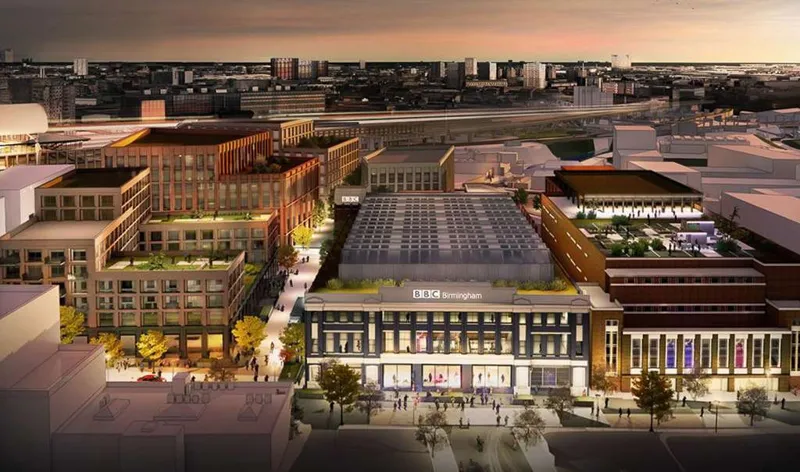
For decades, the skyline of Birmingham was defined by the soot and steel of the Industrial Revolution, earning it the reputation as the “city of a thousand trades.” However, a profound transformation is underway in the heart of the city’s Digbeth district, where the echoes of heavy industry are being replaced by the hum of high-definition cameras and digital workstations. At the center of this evolution is The Bond Birmingham creative hub, a striking example of how urban decay can be pivoted into a catalyst for the modern digital economy.
The Bond is not merely a renovation project; This proves a strategic attempt to anchor a sustainable media industry ecosystem in the West Midlands. By repurposing a landmark industrial building on Fazeley Street, the development has created a specialized environment tailored for TV, film, media, and technology firms. This shift reflects a broader global trend of “industrial heritage regeneration,” where the raw, expansive architecture of the past provides the ideal canvas for the creative sectors of the future.
The project represents a significant capital commitment to the region’s creative infrastructure. With an investment of approximately £18 million, the site has been transformed from a dormant industrial relic into a state-of-the-art facility designed to attract top-tier creative talent and production houses. This investment is a clear signal that Birmingham is positioning itself as a viable alternative to London for high-end media production, leveraging its central location and lower overhead costs to draw in national broadcasters and independent studios.
From Industrial Heritage to Digital Nexus
The architectural philosophy behind The Bond is one of contrast. The development preserves the grit and character of the original industrial structure—characterized by high ceilings and expansive floor plates—while integrating the precision of 21st-century technology. This approach to repurposing industrial buildings ensures that the cultural identity of Digbeth is not erased but rather evolved. The result is a workspace that appeals to the aesthetic preferences of the creative class while meeting the rigorous technical demands of modern broadcasting.
The focus on a “media-specialized” hub means that the infrastructure is specifically engineered for the needs of the screen industries. Unlike generic co-working spaces, The Bond provides the spatial capacity and power requirements necessary for large-scale studio setups and post-production suites. This specialization is critical for building a cohesive media industry ecosystem, as it allows production companies, editors, VFX artists, and tech startups to co-locate, fostering the “creative collisions” that lead to innovation.
The location in Digbeth is no accident. The area has long been the soul of Birmingham’s underground arts scene, known for its street art and independent galleries. By placing a high-capital project like The Bond within this organic creative quarter, the developers have bridged the gap between grassroots artistry and commercial media production. This synergy is essential for ensuring that the growth of the professional media sector benefits the wider local community and maintains the authentic spirit of the neighborhood.
Powering the West Midlands Media Ecosystem
The viability of a creative hub is measured not by its architecture, but by the activity within its walls. The Bond has already demonstrated its capacity to host high-profile productions, most notably serving as the home for the live broadcast of Joe Lycett’s Channel 4 chat show, Late Night Lycett. The presence of a major national broadcaster like Channel 4 underscores the facility’s professional grade and its ability to meet the strict technical standards of live television.

The impact of hosting such productions extends beyond the immediate rental income. When a show like Late Night Lycett operates out of Digbeth, it creates a ripple effect across the local economy. It generates demand for local freelance crews, catering, security, and equipment hire, while simultaneously putting Birmingham on the map as a production-ready city. This “clustering effect” is a cornerstone of urban renewal in Birmingham, as it encourages other media firms to establish a presence nearby to be closer to the action.
the hub’s focus on the intersection of media and tech is designed to future-proof the local economy. By welcoming tech firms alongside traditional film crews, The Bond facilitates the integration of emerging technologies—such as virtual production and AI-driven content creation—into the regional workflow. This ensures that the West Midlands is not just a location for filming, but a center for the technical innovation that drives the global media industry.
The Strategic Significance of the Digbeth Creative Quarter
The development of The Bond must be viewed within the context of the wider Digbeth Masterplan. The city of Birmingham is currently navigating a transition from a manufacturing-based economy to one driven by services, technology, and creativity. The regeneration of Fazeley Street and the surrounding areas is a key component of this strategy, aiming to create a cohesive “Creative Quarter” that can compete on an international scale.

This strategy addresses a critical need for “creative workspaces in Digbeth” that can scale. While the area has plenty of modest, bohemian studios, it has historically lacked the large-scale, professionally managed infrastructure required by major production houses. The Bond fills this gap, providing the “anchor” infrastructure that allows the wider ecosystem to grow. When major players move in, it creates a pathway for smaller startups to scale their operations without having to leave the city for London or Manchester.
From a geopolitical and economic perspective, this is part of a broader UK effort to decentralize the creative economy. By investing in regional hubs, the UK is attempting to distribute the economic benefits of the media industry more equitably across the country. The Bond serves as a blueprint for this model: taking a site of former industrial power and converting it into a site of intellectual and creative power.
Key Takeaways: The Bond’s Impact on Birmingham
- Industrial Repurposing: The project transforms a landmark industrial building into a specialized hub for TV, film, and tech, preserving the area’s heritage while modernizing its utility.
- Economic Investment: An £18 million investment has created high-specification infrastructure that attracts national broadcasters and high-growth media firms.
- Industry Clustering: By hosting productions like Channel 4’s Late Night Lycett, the hub fosters a local ecosystem of freelancers and supporting businesses.
- Strategic Growth: The Bond acts as a professional anchor for the Digbeth Creative Quarter, aiding Birmingham’s transition toward a digital and creative economy.
Looking Ahead: The Future of Birmingham’s Media Landscape
As The Bond continues to fill its capacity, the focus will likely shift toward how this hub can integrate with educational institutions in the region. For the media industry ecosystem to be truly sustainable, there must be a pipeline of talent flowing from local universities into these professional spaces. The proximity of The Bond to Birmingham’s academic centers provides a unique opportunity for apprenticeships and collaborations that could solidify the city’s status as a media powerhouse.
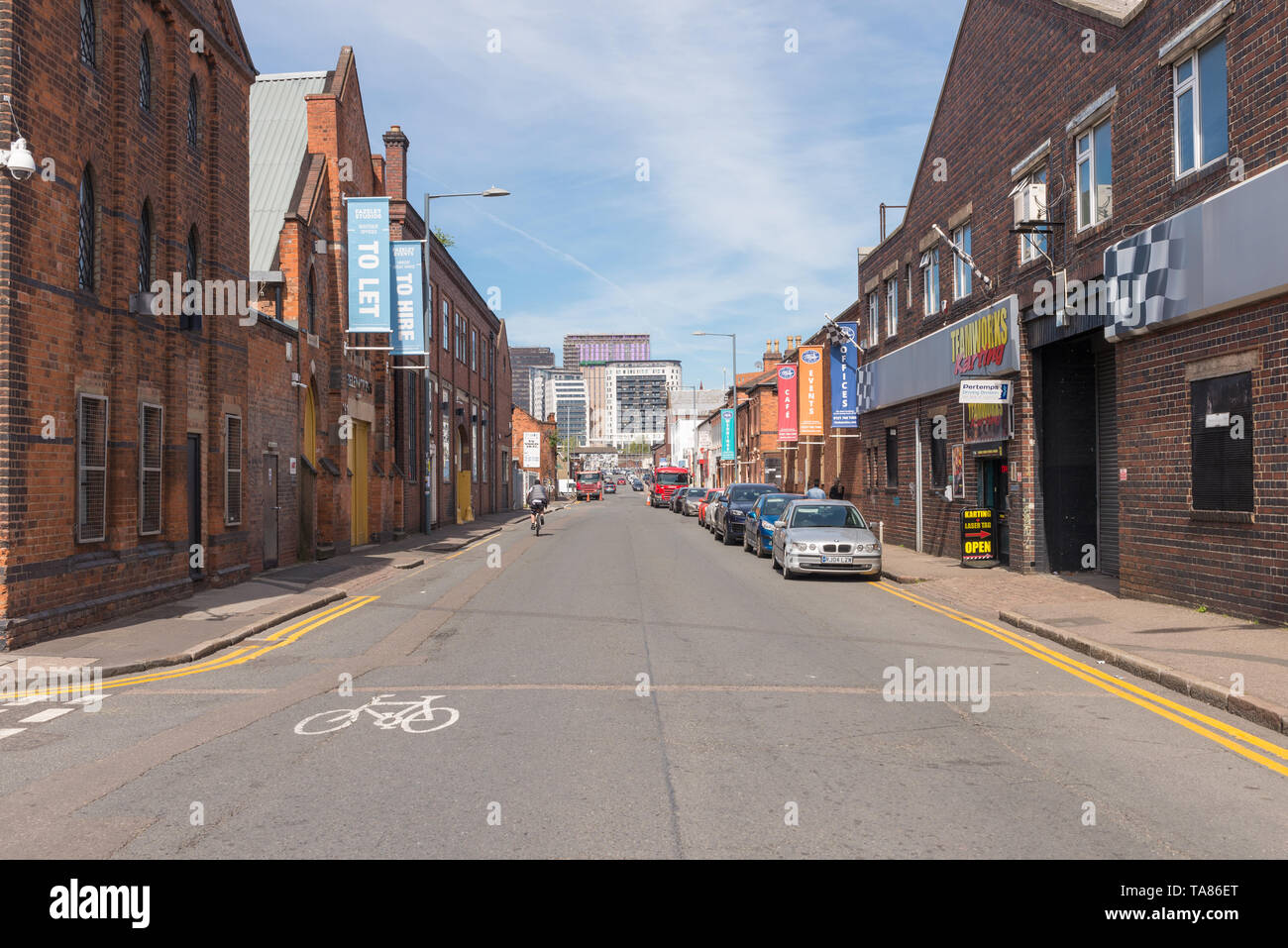
The success of the Fazeley Street development also sets a precedent for other industrial sites across the West Midlands. As more “brownfield” sites are identified for regeneration, the model used for The Bond—combining heritage preservation with high-tech specialization—will likely be replicated. This will contribute to a wider trend of urban renewal in Birmingham, turning former sites of production into sites of creation.
The next significant milestone for the area will be the continued rollout of the broader Digbeth regeneration projects, which aim to further integrate residential, commercial, and creative spaces. As these developments progress, the synergy between The Bond and its neighbors will determine whether Digbeth can maintain its edgy, creative identity while embracing large-scale commercial success.
For those interested in the evolution of the UK’s creative hubs, the progress of The Bond serves as a real-time case study in how cities can pivot their economic identity without losing their soul. The transition from the “city of a thousand trades” to a city of a thousand screens is well underway.
We invite our readers to share their thoughts on the role of industrial regeneration in modern city planning. Do you believe repurposing old factories is the best way to foster creative growth? Let us know in the comments below.
Related reading