The global push toward a decarbonized future is often framed as a moral and technological triumph. From the rapid ascent of generative AI to the proliferation of electric vehicles (EVs) and massive wind farms, the “green transition” promises to sever our dependence on fossil fuels and heal the planet. However, beneath the sleek surfaces of smartphones and the silent glide of EV batteries lies a stark, often hidden contradiction: the minerals required to power this revolution are being extracted at a devastating cost to the world’s most vulnerable populations.
This race for critical minerals—specifically lithium, cobalt, copper, and rare earth elements—is carving out what researchers call “sacrifice zones.” These are geographic regions where ecological health and human rights are traded away to sustain the technological breakthroughs of the Global North. As demand surges to meet the needs of the fourth industrial revolution, the environmental cost of critical minerals mining is manifesting as systemic water depletion, chronic health crises, and the collapse of local food systems in the Global South.
The scale of the crisis is rooted in the sheer volume of resources required. According to the International Energy Agency (IEA), a typical electric car requires six times the mineral inputs of a conventional internal combustion engine car. This exponential increase in demand has turned regions in Africa and South America into the primary engines of the transition, often under regulatory frameworks that prioritize output over the survival of local communities.
The Era of ‘Water Bankruptcy’
One of the most pressing consequences of the mineral rush is the acceleration of “water bankruptcy”—a state where fresh water is extracted faster than nature can replenish it. This is most evident in the “Lithium Triangle,” spanning the high-altitude salt flats of Argentina, Bolivia, and Chile. Lithium extraction in these arid regions relies on pumping brine from beneath the earth and allowing it to evaporate in massive ponds, a process that consumes staggering amounts of water.
In Chile’s Salar de Atacama, mining operations have been reported to account for up to 65% of the region’s total water use, directly competing with indigenous farmers and fragile Andean ecosystems. The result is a plummeting water table and the shrinking of salt lagoons, which are vital for biodiversity and local livelihoods. When water becomes a luxury, the primary victims are the poor, who identify their wells dry and their ancestral lands uninhabitable.

Beyond depletion, there is the issue of toxicity. Rare earth element production—essential for the magnets in wind turbines and AI hardware—is notoriously dirty. The process involves leaching chemicals to separate metals, often creating vast quantities of toxic waste. In some instances, We see estimated that up to 2,000 metric tons of waste are generated for every single ton of usable material. When tailings ponds leak or are improperly managed, acids and heavy metals seep into groundwater, turning life-sustaining rivers into acidic streams where fish cannot survive and crops wither.
Hidden Health Crises in the Supply Chain
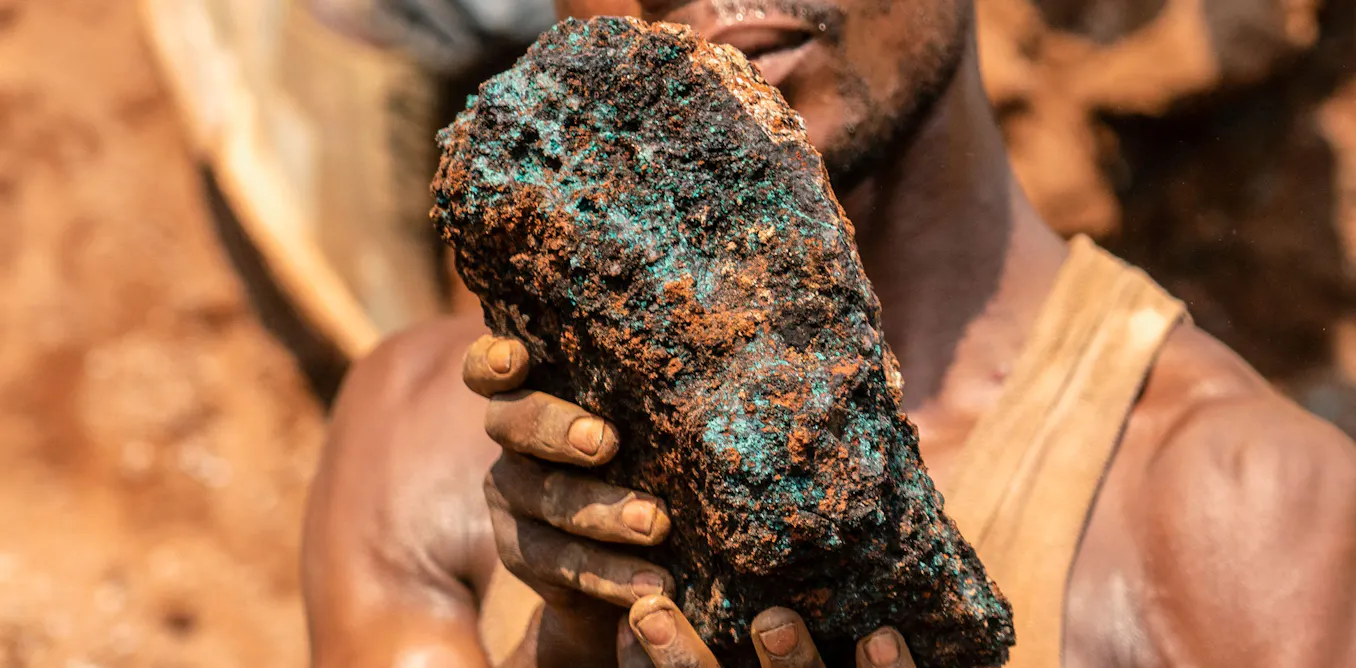
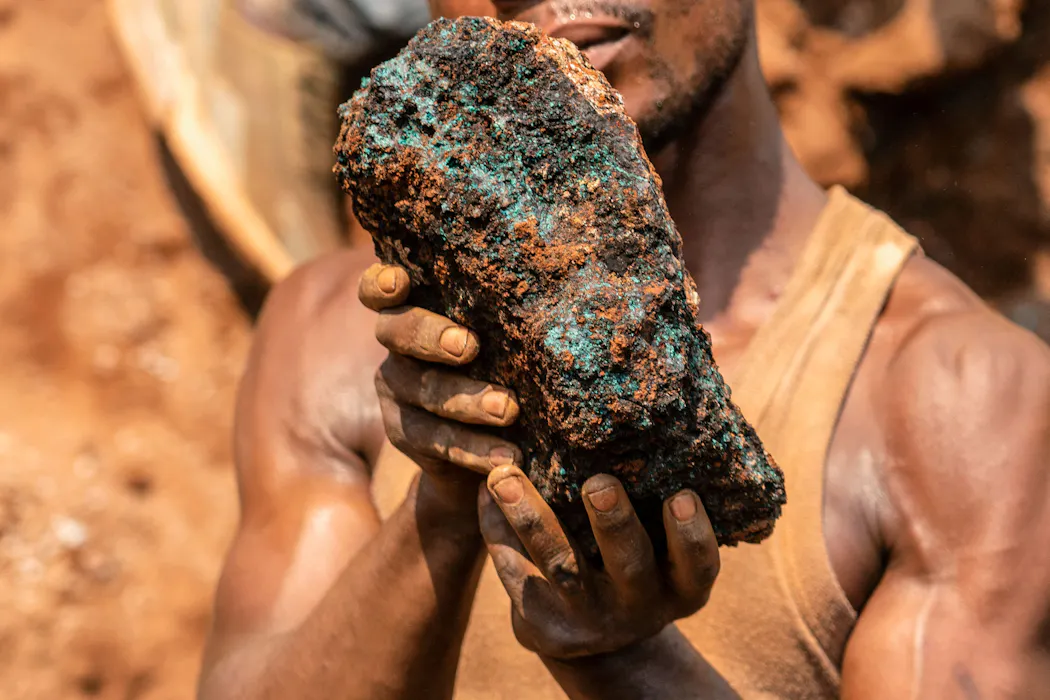
The human toll is most visible in the Democratic Republic of the Congo (DRC), which supplies the majority of the world’s cobalt. In the mining hubs around Kolwezi, the distinction between industrial and artisanal mining is often blurred, with thousands of people—including children—working in hazardous conditions without protective gear. Exposure to cobalt dust and other heavy metals has been linked to severe respiratory issues and chronic skin diseases.

More alarming is the impact on reproductive health. Reports from maternity wards in the southern DRC indicate a significantly higher rate of congenital malformations and infant mortality in communities located near cobalt and copper mines compared to those further away. Women and girls in these regions frequently report gynecological complications and infertility, linked to the prolonged consumption of contaminated water and a systemic lack of basic sanitation. According to Amnesty International, these human rights abuses are often obscured by complex supply chains that shield end-consumers from the reality of the mine.
Similar patterns emerge in Chile’s Antofagasta region, a copper-mining heartland. Local physicians have raised alarms over cancer mortality rates that exceed the national average, with lung cancer rates nearly three times higher than in other parts of the country. There are also rising reports of neurological and developmental disorders in children, which researchers link to early-life exposure to contaminated air and water.
The Collapse of Local Food Systems
The environmental cost of critical minerals mining extends directly to the dinner table. In Bolivia’s Uyuni region, the diversion of water for lithium mining has led to persistent shortages, making it increasingly difficult for farmers to grow quinoa—a staple crop and a cornerstone of the local economy. When water is diverted to the mines, the land loses its fertility, and the traditional agricultural cycles that have sustained these communities for centuries are broken.
In Peru, zinc mining has contaminated the Cunas watershed, poisoning the water used for livestock and irrigation. In the DRC and Zambia, polluted rivers have led to a collapse in fish stocks, removing a primary protein source for households already struggling with extreme poverty. This creates a vicious cycle: as the environment is degraded to produce “clean” technology for the wealthy, the poor lose their ability to feed themselves, increasing their dependence on the extremely mines that are destroying their land.

Breaking the Cycle: Toward a Just Transition
To prevent the green transition from reproducing the same injustices as the oil era, a fundamental shift in governance is required. Voluntary corporate guidelines have proven insufficient. Experts argue for the implementation of binding international treaties and enforceable supply chain due-diligence laws that hold companies legally accountable for environmental and human rights abuses at every stage of production.

One proposed solution is the creation of a “global mineral trust,” which would treat critical minerals as shared planetary assets rather than commodities to be extracted for the highest bidder. Such a system would ensure that a fair share of the profits remains in the host communities to fund healthcare, water infrastructure, and ecological restoration.
On the consumption side, the pressure on mining regions can be eased through a transition to a circular economy. By extending the lifespan of electronic devices, improving the efficiency of mineral recycling, and reducing the reliance on newly mined materials, the global community can lower the demand that fuels the creation of sacrifice zones.

the success of the energy transition cannot be measured solely by the reduction of carbon in the atmosphere. If the path to a cleaner planet is paved with polluted rivers and sick children, it is not a transition—it is a relocation of the burden of pollution. True sustainability requires that the technologies of tomorrow do not depend on the destruction of the people and places of today.
The next critical checkpoint for these issues will be the continued development of the United Nations’ frameworks on sustainable mining and the potential adoption of more stringent EU supply chain regulations. We encourage our readers to share this story and engage in the conversation about how we can demand more transparency from the brands that power our digital lives.
Keep reading