
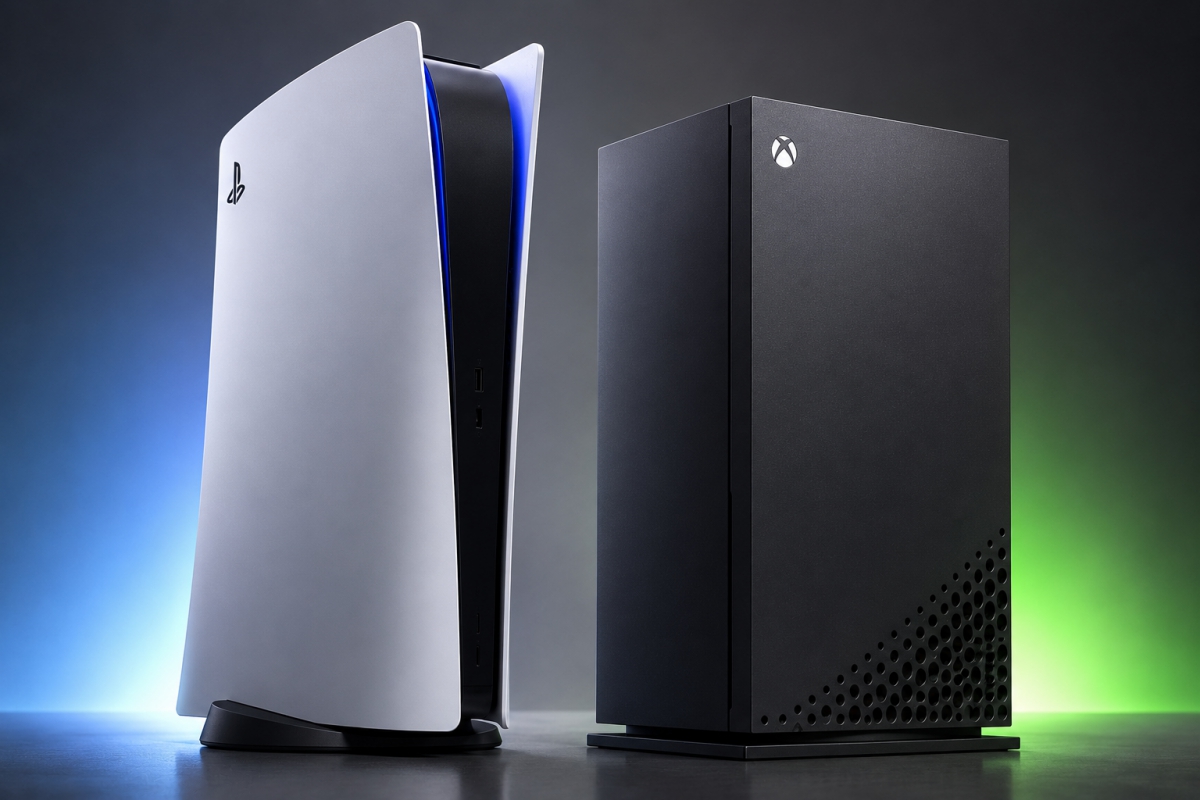
The transition toward a fully digital ecosystem in the video game industry has accelerated, fueling widespread industry speculation regarding the hardware specifications for next-generation consoles, including the rumored PlayStation 6 and a potential all-digital iteration of Microsoft’s Xbox hardware. As major publishers and console manufacturers increasingly prioritize digital storefronts over physical media, the role of traditional retail and the future of game ownership have become central points of debate among consumers and industry professionals.
Recent shifts in corporate strategy signal a long-term move away from optical disc drives. Sony Interactive Entertainment has continued to refine its hardware lineup, with the PlayStation 5 Slim and the PlayStation 5 Pro offering optional or integrated disc drives that contrast with the company’s growing reliance on the PlayStation Store. Industry analysts and observers note that these hardware decisions reflect broader trends in consumer behavior, where digital downloads and subscription services, such as Xbox Game Pass and PlayStation Plus, now account for a significant majority of software revenue.
The Shift Toward Digital-Only Ecosystems
The speculation surrounding “Project Helix”—a term often used in industry discourse to describe potential future Xbox hardware—and the successor to the PlayStation 5 centers on the feasibility of removing physical media support entirely. According to data from the Entertainment Software Association (ESA), the vast majority of game sales in recent years have been conducted through digital storefronts, a trend that has forced traditional brick-and-mortar retailers to reconsider their business models. For many, the removal of the disc drive is no longer a question of “if,” but “when.”

This transition has significant implications for consumer rights and the secondary market. Unlike physical discs, which can be resold, traded, or shared, digital licenses are typically locked to a specific user account. This limitation has drawn criticism from consumer advocacy groups who argue that the loss of physical media reduces the value of a purchase and places total control over software access in the hands of the platform holder. Furthermore, digital-only consoles risk alienating players in regions with limited high-speed internet infrastructure, where downloading massive files remains a technical and financial burden.
Industry Perspectives on the Decline of Physical Media
The decline of the physical format has not gone unnoticed by prominent figures in the creative industries. Film director Peter Jackson, known for his work on the Lord of the Rings trilogy, has publicly expressed concern regarding the erosion of physical media. Jackson has noted that the shift toward streaming and digital-only files risks the long-term preservation of art, as digital platforms can remove content or shut down services without warning, effectively erasing access to the media. His concerns echo those of many gaming enthusiasts who view physical discs as a necessary safeguard against the volatility of digital licensing.

Retailers are also feeling the impact of these changes. As manufacturers allocate more shelf space to gift cards and accessories rather than physical game boxes, specialized video game stores have struggled to maintain relevance. This trend is expected to intensify as upcoming high-profile releases drive more traffic toward digital storefronts, further eroding the profit margins of physical retail outlets. The industry is effectively moving toward a model where hardware serves primarily as a portal for cloud-based or server-hosted services, rather than a standalone machine capable of running software independently.
What Happens Next for Console Hardware
As of late 2024, neither Sony nor Microsoft has officially confirmed the technical specifications for their next-generation consoles. However, the trajectory of current hardware updates suggests that future iterations will likely prioritize slim, disc-less designs to reduce manufacturing costs and maximize vertical integration within their respective digital ecosystems. Industry observers suggest that the next major milestone in this transition will likely occur when manufacturers announce the cessation of production for disc-based software for current-gen systems, a move that would signal a total shift in focus toward digital-only distribution.
For gamers, the immediate future remains a hybrid of physical and digital options. However, as the industry continues to push for higher margins through digital sales, the window for physical media appears to be closing. Consumers interested in tracking these developments should monitor official announcements from the Sony Interactive Entertainment and Xbox News portals, which serve as the primary sources for updates regarding hardware changes and service policies.

The debate over the future of digital-only consoles is far from over. As more players weigh the convenience of digital libraries against the tangible benefits of physical ownership, the industry will be forced to address the growing concerns regarding long-term access, preservation, and the rights of the consumer. Whether these concerns will lead to a change in corporate strategy or further cement the digital-first model remains to be seen in the coming years.
We invite our readers to share their perspectives on the digital transition in the comments below. How do you view the trade-off between the convenience of digital downloads and the permanence of physical discs?