
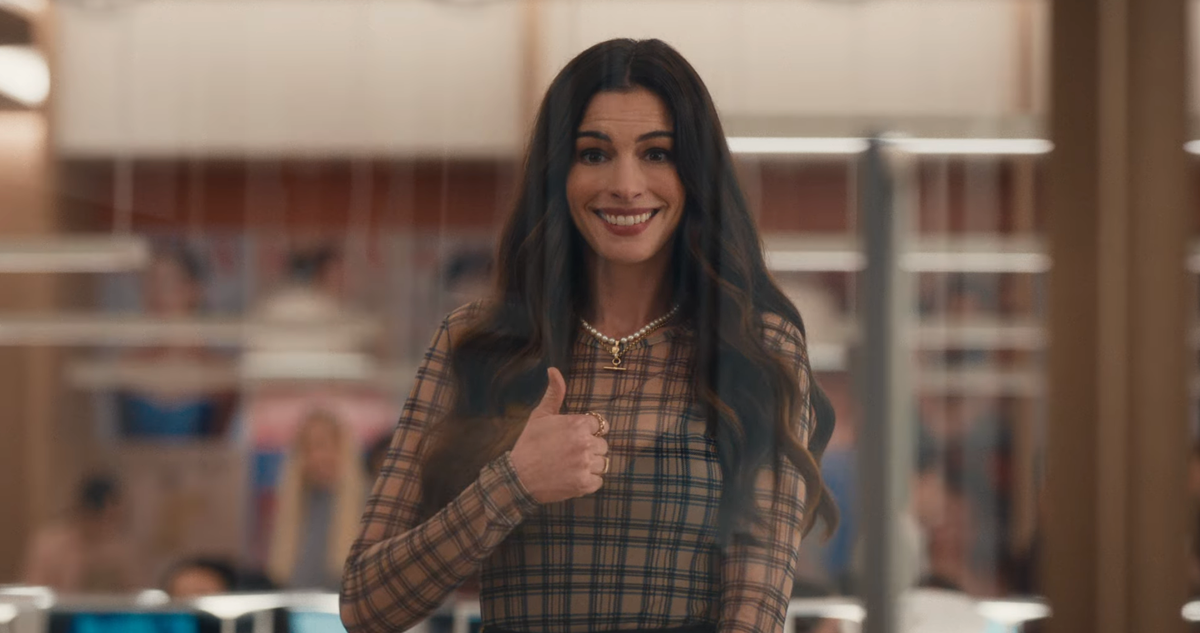
The highly anticipated sequel, The Devil Wears Prada 2, which premiered on May 1, 2026, isn’t simply a return to the glamorous world of fashion journalism; it’s a stark reflection of the industry’s current struggles. While the original 2006 film captivated audiences with its portrayal of a cutthroat fashion magazine, the sequel delves into the challenges facing both the fashion and journalism worlds, particularly the financial pressures and the shift to digital media. Critics, however, are finding it difficult to reconcile the film’s escapist elements with its commentary on the decline of traditional media, creating a somewhat fractured reception.
The film revisits Andrea Sachs, portrayed by Anne Hathaway, two decades after she left her assistant position at Runway magazine. Following layoffs at her news publication, Andy finds herself back in the orbit of Miranda Priestly, played by Meryl Streep, and Emily Charlton, reprised by Emily Blunt. However, the landscape at Runway has drastically changed. The sequel reunites the original cast alongside new faces like Caleb Hearon (known for Sweethearts) and Simone Ashley (of Bridgerton fame), as they navigate a publishing world grappling with dwindling print budgets and the relentless demands of online content creation.
The Shifting Sands of the Publishing Industry
The Devil Wears Prada 2 doesn’t shy away from depicting the harsh realities of the modern publishing industry. The film highlights the pressure to generate “clickable content” and the struggle to maintain relevance in a digital age. This mirrors the real-world challenges faced by many publications, including the need to adapt to changing consumer habits and revenue models. The film’s portrayal of Runway’s financial difficulties resonates with the broader trend of declining print subscriptions and advertising revenue, forcing many magazines to downsize or cease publication altogether. According to a 2024 report by the Pew Research Center, newspaper circulation continues to decline, with digital revenue not fully offsetting losses in print advertising. Pew Research Center
The sequel’s focus on the tension between artistic integrity and commercial demands is a central theme. Miranda Priestly, still the formidable editor-in-chief, is shown grappling with the need to keep Runway afloat in a rapidly changing market. This struggle is not unique to fashion magazines; it’s a common challenge for publications across all genres. The film suggests that even the most iconic brands are not immune to the pressures of the digital revolution.
A Commentary on the State of Journalism
Beyond the fashion world, The Devil Wears Prada 2 offers a pointed commentary on the state of journalism. Andy Sachs’s return to Runway is framed by her recent job loss in the news industry, a consequence of widespread layoffs impacting newsrooms across the country. This storyline underscores the precarious position of journalists in an era of media consolidation and declining trust in traditional news sources. The film subtly critiques the shift towards sensationalism and the prioritization of page views over in-depth reporting.

David Fear, writing for Rolling Stone, notes that the film “goes from flirting with topicality to fully committing to a balance of you-better-werk escapism, and doomscrolling.” This duality reflects the complex emotions many feel about the current media landscape – a desire for entertainment and glamour alongside a growing anxiety about the future of journalism. The film doesn’t offer easy answers, but it does raise important questions about the role of media in society and the challenges of maintaining journalistic standards in a profit-driven environment.
Critical Reception: A Divided Response
The critical response to The Devil Wears Prada 2 has been mixed, with many reviewers struggling to reconcile the film’s glossy aesthetic with its darker themes. Some critics praise the film’s willingness to tackle complex issues, while others find the blend of escapism and social commentary to be jarring. A common point of contention is whether the film effectively portrays the struggles of the publishing industry or simply uses them as a backdrop for a familiar story of ambition and self-discovery.
The enduring appeal of Meryl Streep’s portrayal of Miranda Priestly continues to be a highlight for many viewers. Streep’s performance, lauded since the original film, remains a compelling depiction of a powerful and complex character. As Fear points out, there’s a reason Miranda Priestly is considered one of Streep’s most beloved roles and a “hall-of-fame malefactor.” The film leverages this established character to explore the challenges of leadership and the compromises required to succeed in a competitive industry.
The Class Struggle and the Red Carpet
The film also touches upon themes of class and privilege, highlighting the disconnect between the glamorous world of fashion and the realities faced by ordinary people. Andy Sachs’s journey from a small-town journalist to a fashion insider underscores the challenges of navigating different social circles and maintaining one’s values in a world of wealth and power. This exploration of class dynamics adds another layer of complexity to the film’s narrative.
The original 2003 novel, The Devil Wears Prada, by Lauren Weisberger, was initially conceived as a form of literary payback, drawing inspiration from Weisberger’s own experiences as an assistant to Anna Wintour. The film adaptation, released in 2006, tapped into the public’s fascination with the inner workings of the fashion industry and the personalities who shape it. The sequel attempts to build upon this foundation by addressing the contemporary challenges facing the industry, but its success in doing so remains a subject of debate among critics.
Looking Ahead: The Future of Fashion and Journalism
The Devil Wears Prada 2 doesn’t offer a definitive answer to the question of whether fashion and journalism can survive in their current forms. However, it does serve as a timely reminder of the challenges facing these industries and the need for innovation and adaptation. The film’s exploration of these themes is likely to spark further discussion about the future of media and the role of culture in a rapidly changing world.
The film’s release comes at a time of significant upheaval in both the fashion and journalism industries. The rise of social media influencers, the increasing demand for sustainable fashion, and the ongoing decline of print media are all factors shaping the future of these fields. As The Devil Wears Prada 2 suggests, navigating these challenges will require a willingness to embrace change and a commitment to maintaining journalistic integrity.
The next major development to watch will be the 2026 financial reports from Condé Nast, the parent company of Runway magazine (fictionalized in the film), which will provide a clearer picture of the financial health of the publishing industry. Readers interested in learning more about the challenges facing journalism can find resources and updates on the website of the Committee to Protect Journalists. Committee to Protect Journalists
What are your thoughts on The Devil Wears Prada 2? Share your opinions in the comments below, and don’t forget to share this article with your friends and colleagues!