
From Cereal to Stool: A Journey Through Your Digestive System
ever wonder what realy happens to your breakfast after you swallow? It’s a fascinating,multi-stage process involving amazing organs and trillions of helpful bacteria. Let’s explore the journey of your food, from plate to… well, you know.
The Initial Breakdown: Mouth to Stomach
Digestion begins the moment you take a bite. Your teeth mechanically break down food, while saliva starts chemically dissolving it. then, you swallow, and the food travels down your esophagus to your stomach.
Your stomach is a muscular bag that churns and mixes food with powerful acids and enzymes. This process continues breaking down the food into a soupy mixture. It takes between two and six hours for this initial stage to complete.
The Small Intestine: Nutrient Central
Next,this mixture – now called chyme – enters the small intestine. This is where the bulk of nutrient absorption happens.
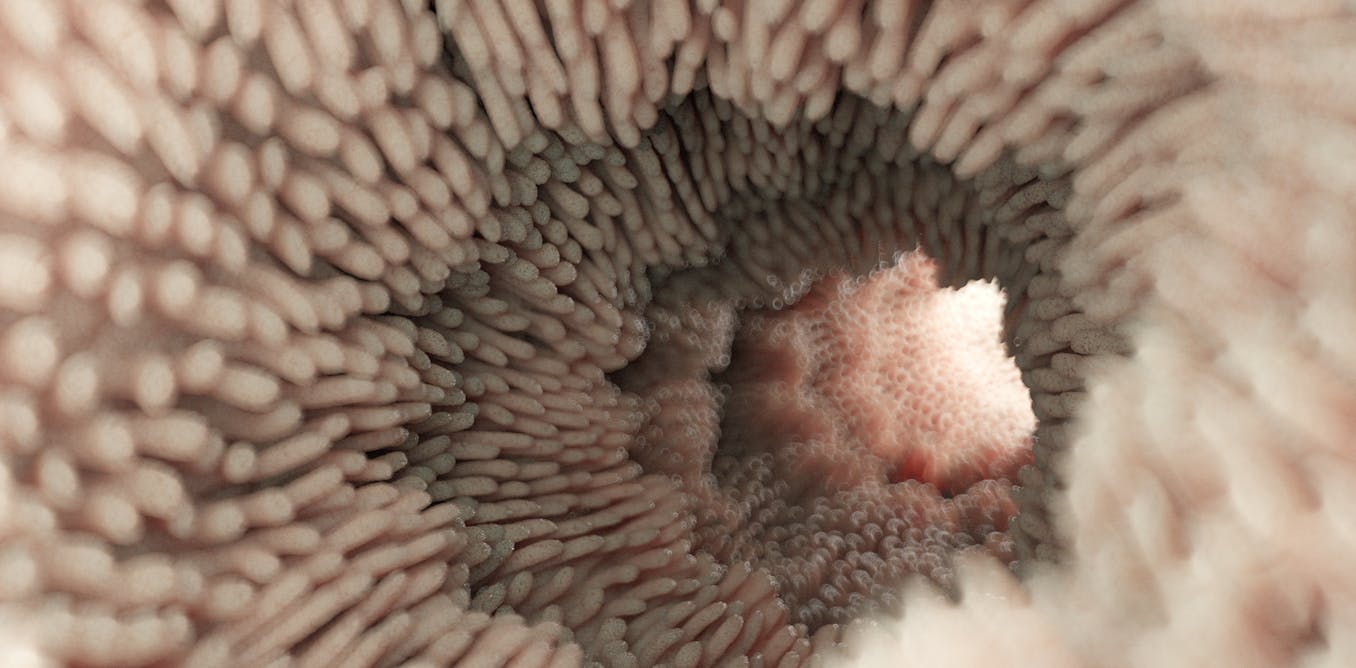
The small intestine is a long,coiled tube lined with tiny,finger-like projections called villi. These villi maximize the surface area for absorbing vitamins, minerals, carbohydrates, fats, and proteins into your bloodstream. Chyme’s greenish color comes from bile,produced by your liver,aiding in fat digestion.
The Large Intestine: Water Reclamation and Waste Consolidation
As chyme moves to the end of the small intestine, it enters the large intestine, also known as the colon. Despite being shorter,the colon is wider than the small intestine.
approximately 5 feet (1.5 meters) long, the colon doesn’t absorb nutrients. Instead, it focuses on absorbing water from the chyme. This water is then delivered to your kidneys to create urine, playing a role in both waste elimination.
This process is slower, taking anywhere from a day to three days. as water is removed, the chyme solidifies and typically changes from green to brown. This color change is due to bacteria altering the bile. Without bile, your stool would be pale silver or clay-colored.
The Role of Bacteria: More Than Just Smell
What actually is poop? It’s a complex mixture.
Poop contains leftover water, undigested food like plant fiber, dead intestinal cells, and – surprisingly – almost half its weight is bacteria. Your intestines are home to trillions of these bacteria, which are essential for digestion and don’t make you sick. These bacteria are also responsible for the characteristic odor of stool.
Here’s a quick breakdown of what makes up poop:
water: A significant component, aiding in waste passage.
Undigested Food: Primarily plant fiber that your body can’t break down.
Dead Cells: Shed from the lining of your intestines.
bacteria: Trillions of microorganisms vital for digestion.
A System Working in Harmony
Each part of your digestive system – from your mouth to your colon – plays a crucial role. They work together to extract energy and water from your food, absorbing what you need and eliminating the rest.
Ultimately, your digestive system is a remarkable machine, constantly working to keep you nourished and healthy.
Have a Question?
Curious kids (and adults!) are encouraged to submit their questions to CuriousKidsUS@theconversation.com.Include your name, age, and city. We’ll do our best to answer your burning questions!
Disclaimer: I am an AI chatbot and cannot provide medical advice. This data is for general knowledge and informational purposes only, and does not constitute medical advice. It is essential to consult with a qualified healthcare professional for any health concerns or before making any decisions related to your health or treatment.





