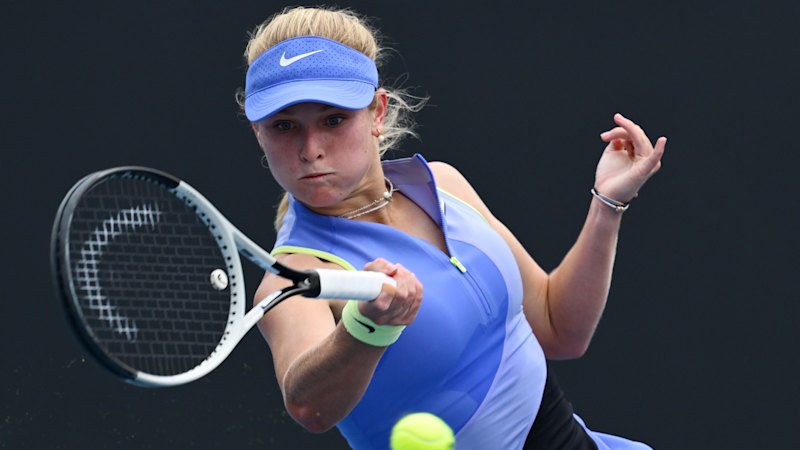
The quest for Australia’s next grand slam champion remains a central narrative in the nation’s sporting landscape. As the tennis community looks toward the future, the development pipeline under Tennis Australia faces renewed scrutiny regarding its ability to cultivate elite talent capable of matching the historic heights reached by icons like Ash Barty and Lleyton Hewitt.
For decades, Australia has punched above its weight in international tennis, yet the gap between the current generation and a consistent grand slam winner has prompted a significant evaluation of talent pathways. With the tenure of long-time leader Craig Tiley drawing to a close, the organization is preparing for a transition in leadership, with Andrew Abdo slated to assume the role of chief executive on August 3, 2026. This change comes at a time when the sport is navigating the challenges of an aging talent pool and the urgent need to foster the next wave of contenders.
Evaluating the Development Pathway
The conversation surrounding Australian tennis development is multifaceted, involving stakeholders from grassroots coaches to high-performance directors. According to Tennis Australia performance boss Tim Jolley, while the sport faces a clear gap between its established veterans and the emerging youth, there is a “rosier picture” beneath the surface. Jolley noted that 14 different Australian players spent time inside the top 100 of the ATP and WTA rankings during the previous year—a figure he highlighted as the highest since 1989.
Despite these statistics, public and professional discourse often returns to the challenges of the junior circuit. During the most recent Australian Open, no Australian junior progressed past the second round, a result that sparked debate among legends of the game, including 1987 Wimbledon champion Pat Cash. Cash has publicly advocated for a stronger focus on the grassroots level, emphasizing the roles of private coaching and junior development programs in securing the long-term health of the sport.
The Current Landscape of Australian Tennis
The professional tour currently relies heavily on Alex de Minaur, a top-10 star and seven-time major quarter-finalist, to carry the mantle for Australian men’s tennis. De Minaur has remained a consistent presence on the world stage four years after the retirement of three-time major champion Ash Barty. In the women’s game, the outlook appears more balanced, with a promising cohort of players aged 21 or younger—including Maya Joint, Talia Gibson, Emerson Jones, and Taylah Preston—showing potential on the professional circuit.

However, depth in the men’s rankings remains a concern for many observers. Currently, there are only three Australian men younger than 25 ranked within the top 500. Recent performances in team competitions—specifically the Davis Cup and the Billie Jean King Cup—have ended in first-round defeats, underscoring the volatility inherent in the current transition period. As noted by incoming CEO Andrew Abdo, the organization remains focused on the critical importance of talent development, with a stated objective of seeing more Australian representation in the top 10 of both men’s and women’s tours.
Looking Toward the Future
The transition in leadership at Tennis Australia is expected to bring a renewed focus on the operational structure of the sport, from the management of the Australian Open to the long-term development of junior athletes. With nearly 1.4 million fans attending the most recent Australian Open, the commercial health of the game is robust, providing a platform for potential investment in player development pathways.
For the next generation of players, the pressure to succeed is compounded by the shadow of past legends. Much attention is currently directed toward young prospects, including 17-year-old Cruz Hewitt, as the tennis world watches to see if they can translate potential into major success. While the search for a new grand slam champion is an elusive pursuit, the focus remains on refining the systems that identify and nurture talent in a highly competitive global environment.
The official transition to Andrew Abdo’s leadership on August 3, 2026, will mark the beginning of a new chapter for Tennis Australia. The sporting community continues to monitor how these leadership changes will influence the allocation of resources and the strategic direction of development programs. We invite our readers to share their thoughts on the future of Australian tennis in the comments section below.
Related reading