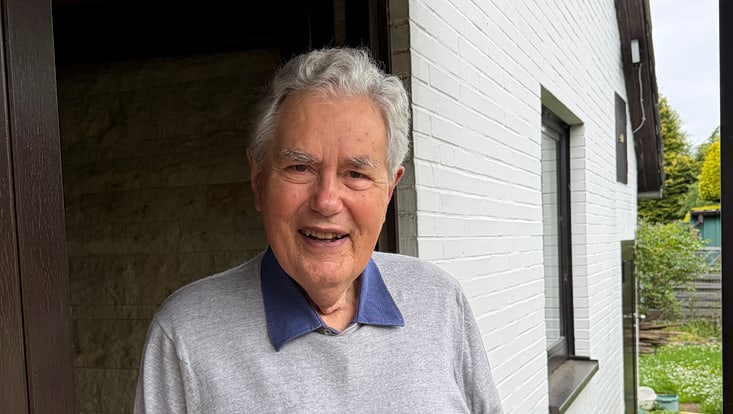
In the academic community, few milestones reflect a lifetime of dedication as profoundly as a 90th birthday, particularly when that career has left a lasting imprint on institutional policy and pedagogical standards. Professor Arndt Knöchel, a distinguished figure associated with the Department of Chemistry at the University of Hamburg, recently reached this significant personal milestone, drawing reflection on his long-standing contributions to chemical education and university governance.
For those familiar with the evolution of teacher training in Germany, the name Knöchel is often linked to substantive reforms that sought to modernize and streamline academic pathways. His work, which spanned decades of service, focused on the intersection of rigorous scientific research and the practical demands of the classroom. Even as he has transitioned into retirement, the impact of his structural reforms remains a topic of interest for those examining the history of higher education in the Hamburg region.
A Legacy of Educational Reform
Professor Knöchel’s professional trajectory was defined not only by his research output within the Faculty of Chemistry but also by his active participation in the administrative and structural development of the university. During his tenure, the landscape of German higher education underwent several waves of change, and he was a notable proponent of initiatives aimed at improving the efficacy of teacher training programs.
The “Lehramtsreform,” or teacher training reform, with which he is associated, was designed to address the pedagogical challenges facing universities at the time. By integrating contemporary scientific methodology with updated curriculum requirements, these reforms aimed to bridge the gap between abstract chemical theory and the practical necessities of secondary education. As noted by the University of Hamburg’s Department of Chemistry, components of these structural changes have persisted, continuing to influence how future educators are prepared for the demands of the modern school system.
Academic Excellence and Institutional Impact
The academic career of a professor is often measured by the dual pillars of research and mentorship. At the University of Hamburg, Arndt Knöchel was recognized for his commitment to maintaining high standards within the chemical sciences. His efforts were not confined to the laboratory; rather, they extended to the broader mission of the university as an institution of public service and pedagogical excellence.
Institutional history at the university level often highlights how individuals like Professor Knöchel navigated the complexities of academic policy. His influence is frequently cited by colleagues as a testament to the importance of faculty engagement in governance. By participating in the decision-making processes that shaped the Faculty of Chemistry, he helped ensure that the department remained responsive to both scientific advancements and the changing needs of the student body.
Key Contributions to the Field
- Advocacy for modernized teacher training curricula within the Hamburg academic system.
- Long-term commitment to the pedagogical development of students in the chemical sciences.
- Active participation in faculty governance and administrative reform.
- Sustained engagement with the university community long after the formal conclusion of his primary teaching career.
Life Beyond the Lecture Hall
Beyond the professional accolades and the historical records of the University of Hamburg, the life of a professor in retirement often shifts toward community and personal reflection. Arndt Knöchel, alongside his spouse, has maintained a quiet life in the Poppenbüttel district of Hamburg. This transition from the intensity of academic life to a more private sphere is characteristic of many scholars who have dedicated their working years to the rigorous demands of university life.
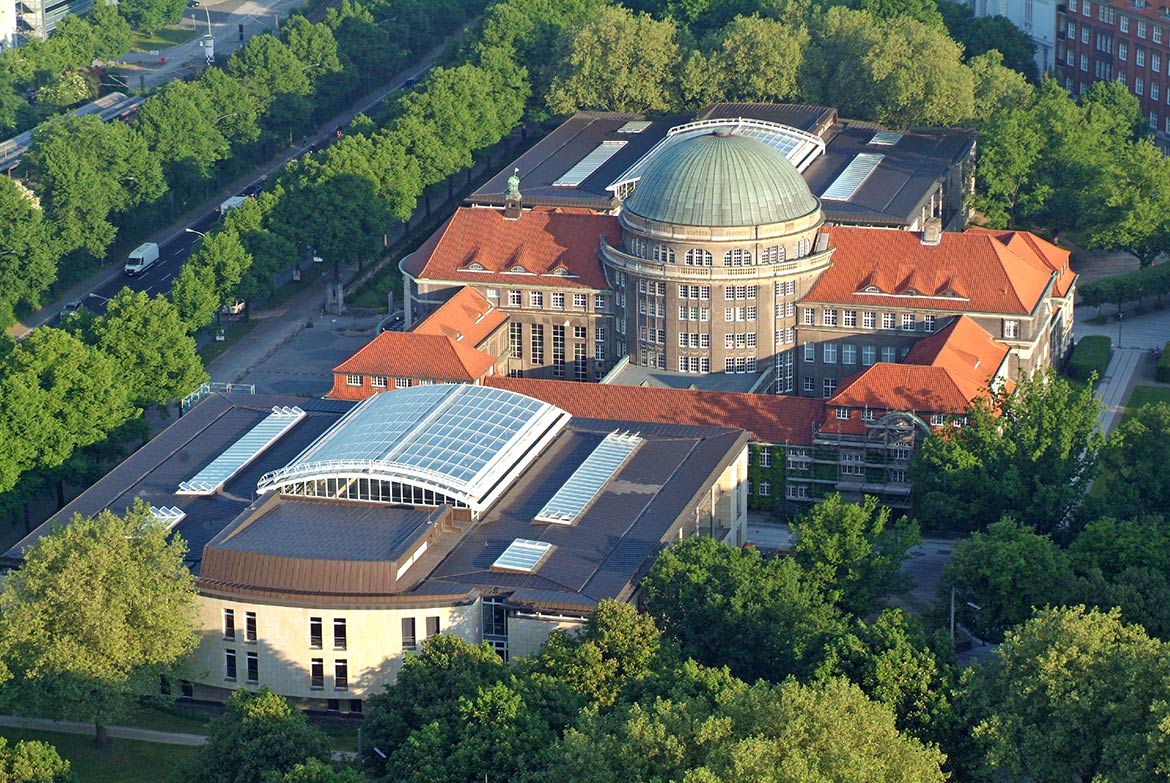
The residence in Poppenbüttel serves as a backdrop to a career that spanned nearly half a century of rapid change in German society. As the university continues to evolve, the legacy of its long-serving faculty members provides a sense of continuity. For the many students and junior faculty members who passed through his classrooms and seminars, Professor Knöchel represents a period of significant transition in the history of chemical education.
Looking Ahead: The Evolution of Higher Education
As the academic year continues, the University of Hamburg remains a focal point for ongoing discussions regarding the future of scientific research and teacher qualification. The reforms championed by individuals like Professor Knöchel serve as a foundation upon which new generations of educators build. While the specific administrative frameworks of the past continue to be adapted to meet the technological and social demands of the 2020s, the core mission—to foster intellectual rigor and pedagogical effectiveness—remains unchanged.
For those interested in the history of the Department of Chemistry, official archives and university publications provide further insight into the milestones of its faculty. The institution regularly updates its official newsroom with information regarding staff achievements and departmental anniversaries. We invite our readers to share their own experiences or reflections regarding the history of chemical education in the comments section below.
Related reading