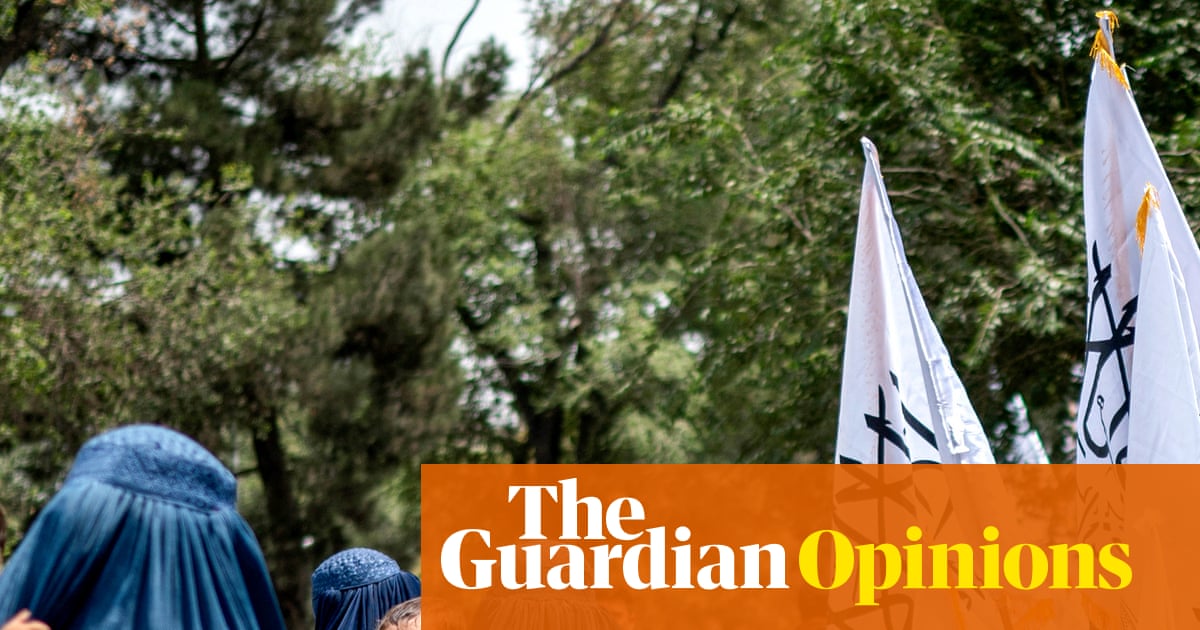
The global discourse surrounding the human rights situation in Afghanistan has reached a critical juncture, centering on the ongoing struggle for gender equality and the international community’s response to the current administration. For many activists, the debate is not merely political; This proves a profound question of survival for women and girls living under severe restrictions. Central to this conversation is the call for the European Union to adopt a more rigorous stance against what many advocates characterize as gender apartheid, urging a shift away from diplomatic engagement that could be perceived as legitimizing the status quo.
The situation remains deeply concerning for those monitoring the region. Since the change in governance in August 2021, international human rights organizations and the United Nations have documented a systematic dismantling of women’s rights. According to the United Nations Office of the High Commissioner for Human Rights, the current authorities have implemented a series of decrees that effectively exclude women and girls from public life, education beyond the primary level, and the formal workforce. This institutionalized discrimination has prompted urgent calls for the international community to maintain pressure rather than pursue normalization.
The Humanitarian and Educational Crisis
The impact of current policies on Afghan women is multifaceted, affecting everything from basic education to healthcare access. Reliable data from international observers indicates that the restriction on female education is near-total beyond the sixth grade. This policy has had devastating long-term consequences for the future of the country’s youth, as noted in reports from UNICEF, which has continuously campaigned for the unconditional reopening of secondary schools for girls.

the exclusion of women from the professional sphere—including the healthcare sector—has complicated the delivery of essential services. International health agencies have expressed alarm over the implications for maternal and child health. Without female medical professionals, many families are unable or unwilling to seek necessary care, leading to a measurable decline in public health outcomes. The international community, including the European Union, continues to grapple with how to provide humanitarian aid effectively without inadvertently bolstering the policies that created these conditions.
Diplomatic Engagement vs. Human Rights Accountability
A primary point of contention for activists is the nature of diplomatic outreach to the current Afghan authorities. Critics argue that any form of high-level engagement risks granting a veneer of legitimacy to an administration that has not met international benchmarks for human rights, particularly regarding the rights of women and ethnic minorities. The debate in Brussels and other European capitals often pits the necessity of maintaining humanitarian aid channels against the moral imperative to isolate regimes that violate fundamental human rights.
The European Union has consistently emphasized that its engagement with the authorities in Kabul is “pragmatic” and focused on humanitarian assistance and the welfare of the Afghan people, rather than political recognition. However, for those on the front lines of the advocacy movement, the distinction between pragmatic engagement and normalization is often blurred. As outlined in the European External Action Service policy framework, the EU maintains that its presence is essential to address the acute humanitarian crisis, which remains one of the largest in the world.
What Lies Ahead for Policy Reform
As the international community moves toward the next cycle of diplomatic meetings, the focus remains on whether new, more robust mechanisms can be established to protect human rights. The call for a legal framework to address what some term “gender apartheid” reflects a desire to move beyond conventional diplomacy. Such a framework would theoretically provide a more consistent and binding approach to sanctioning those responsible for the systematic suppression of women’s rights.
The next major checkpoint for these discussions will likely occur during upcoming sessions of the United Nations Human Rights Council, where the situation in Afghanistan remains a standing agenda item. These forums serve as the primary venue for member states to evaluate the effectiveness of current sanctions and diplomatic strategies. For observers and activists, these meetings are the next opportunity to push for concrete, unified international action that prioritizes the lives and autonomy of Afghan women over political expediency.
We invite our readers to participate in this vital conversation. How should the international community balance the urgent need for humanitarian aid with the necessity of standing firm against human rights violations? Share your thoughts in the comments section below.
Worth a look