Diego Céspedes on Weaving Myth, Innocence, and the AIDS Crisis in His Haunting New film
Diego Céspedes’ latest work is a powerful exploration of love, loss, and societal prejudice, filtered through a uniquely surreal lens. The film delves into tough themes with a delicate touch,anchored by the outlook of a child navigating a world shadowed by the AIDS epidemic.here, Céspedes discusses the inspirations behind his deeply personal and critically acclaimed project.
The seeds of the story: Personal History and Collective Memory
the genesis of the film, Céspedes explains, was a gradual process – much like building a painting over time.He drew heavily from personal experiences, particularly the strong personalities of his siblings, shaping the characters we see on screen. But the story’s roots extend beyond family.
Céspedes’ parents owned hairdressers in the suburbs, and he witnessed firsthand the devastating impact of AIDS on the community of stylists who worked there. This early exposure to tragedy became a crucial element of the narrative.
Love, Disease, and the Power of the Gaze
A striking aspect of the film is its portrayal of love as a potential vector for disease, interwoven with surreal and mythological elements. This approach stemmed from a poignant observation Céspedes encountered while researching the history of AIDS in Chile.
He recalls a quote that resonated deeply: “No one wants to look at the sick people in the eyes.” This sparked an exploration of the gaze – how we look at and away from suffering – and how myths arise when we struggle to understand the incomprehensible. Chile’s unique geography, isolated by mountains, further fueled this exploration, as the contry possesses a rich tradition of myth-making.
“That’s why the myth and the surreal part came to the movie, because it seems very natural,” Céspedes notes.
Seeing Through a Child’s Eyes: Innocence and Understanding
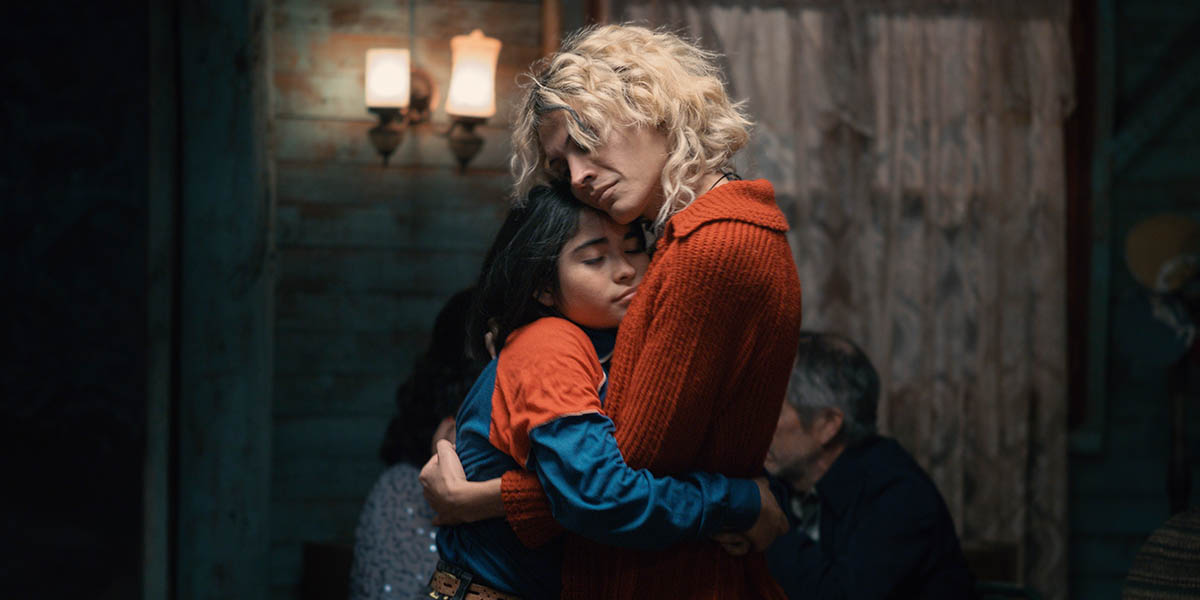
The film’s narrative is powerfully framed through the eyes of an 11-year-old girl, Lidia. this choice wasn’t accidental. Céspedes wanted to explore the world without the weight of adult prejudice.
A child’s perspective offers a purity of feeling, unburdened by the societal biases that frequently enough cloud our judgment. Lidia, despite her young age, possesses a maturity born from her environment, yet retains a core innocence that allows her to perceive the world differently. This allows the film to tackle heavy themes – disease, social stigma – with a nuanced sensitivity.
Discovering Lidia: The Casting of Tamara Cortés
Finding the right actor to embody Lidia was paramount. Céspedes envisioned a character with a specific ironic,direct personality and a captivating gaze – traits he observed in his own siblings and cousins.
Tamara Cortés, discovered during casting, was a perfect fit. Despite having no prior acting experience, Cortés possessed the innate qualities Céspedes sought. He describes her as “exactly what I imagined” and praises her quick learning ability and dedication, working closely with a coach and Céspedes himself to develop her performance. He expresses immense pride in her work, recognizing her as a “total professional.”
This film isn’t just a story; its a testament to the power of perspective, the enduring impact of history, and the resilience of the human spirit. Céspedes’ work invites you to confront uncomfortable truths, embrace the surreal, and ultimately, to look – truly look – at the world around you.
Worth a look