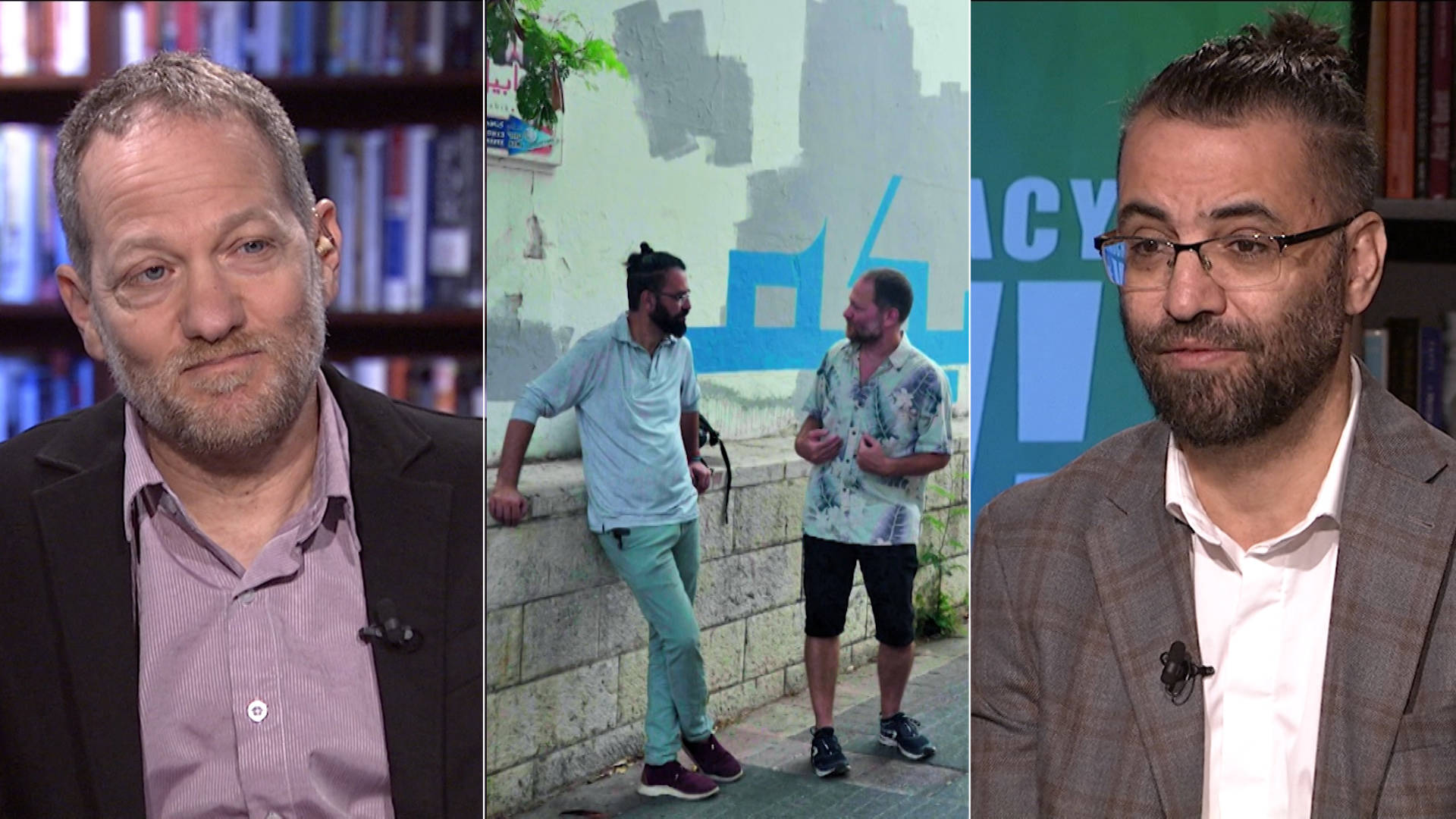
In a region where geopolitical divides often seem insurmountable, a new collaboration between an Israeli and a Palestinian is challenging the narrative of inevitable conflict. Maoz Inon and Aziz Abu Sarah, two men who have both suffered profound personal losses due to the violence in the Middle East, have released a joint project titled “The Future Is Peace: A Shared Journey Across the Holy Land”, documenting a partnership built on shared trauma and a mutual commitment to coexistence.
Their relationship represents a rare bridge between two societies hardened by decades of war and the recent escalation of hostilities. While the war in Gaza has deepened political and social polarizations globally, Inon and Abu Sarah argue that their “brotherhood,” born from the depths of grief, provides a blueprint for how justice, equality and dignity can be achieved through collaborative effort rather than opposition.
The partnership is not a sudden development but the result of a decade-long acquaintance. The two first met over tea in Jerusalem ten years ago and maintained a connection via Facebook. Both men shared a professional background in the travel industry, operating travel agencies with the shared belief that education and travel could act as catalysts for bringing disparate societies closer together. While, it was the catastrophic events of recent years that transformed their casual acquaintance into a dedicated mission for peace.
A Brotherhood Born of Trauma
The bond between Inon and Abu Sarah is rooted in the shared experience of losing loved ones to the conflict. For Maoz Inon, the tragedy struck on October 7, 2023, during the Hamas-led attacks on Israel, which resulted in more than 1,100 deaths. Inon’s parents, Bilha and Yakovi Inon, were killed at their home in Kibbutz Netiv HaAsara, located near the border with Gaza.
Similarly, Aziz Abu Sarah carries the weight of familial loss; his brother died following torture and injuries inflicted while in Israeli custody. These parallel tragedies—one occurring during a mass attack and the other within the prison system—have served as the foundation for their joint activism. Rather than allowing their grief to fuel further animosity, they have used it to recognize the shared humanity of their “enemy.”
Redefining the Path to Justice
The core philosophy presented in “The Future Is Peace” is the rejection of the “opposite side” mentality. Abu Sarah, a Palestinian peace activist, reflects on a lifelong journey from anger to understanding. “I grew up angry. I grew up believing peace is impossible,” Abu Sarah stated, noting that a realization at age 18 shifted his perspective. He now maintains that to achieve justice, equality, and dignity for all, Israelis and Palestinians must work together rather than against one another.
This sentiment is echoed by Inon, an Israeli peace activist, who emphasizes the concept of collective agency. Inon asserts that the future is not predetermined by historical conflict, stating, “We need enough people that realize that we have the agency to change the future, to create the future we deserve to live within.”
Key Pillars of Their Peace Activism
- Shared Trauma: Utilizing personal loss to build empathy across ethnic and national lines.
- Education through Travel: Leveraging their backgrounds as travel agency owners to foster cross-cultural understanding.
- Collaborative Agency: Moving away from zero-sum thinking toward a model of mutual dignity and justice.
The Global Significance of Shared Narratives
The release of their book comes at a time when diplomatic channels are often strained and public discourse is heavily polarized. By documenting their “shared journey,” Inon and Abu Sarah provide a tangible example of how individuals can transcend nationalistic narratives to locate common ground. Their work suggests that peace is not merely the absence of war, but a proactive effort to acknowledge the trauma of the other.
Their efforts have been highlighted in recent reviews and interviews, including a feature by The New York Times, which notes their search for hope and understanding amidst the ruins of conflict. By focusing on the human element—the loss of parents and siblings—they strip away the political abstractions that often hinder peace negotiations.
As the region continues to grapple with the aftermath of the 2023 war and the ongoing struggle for stability, the partnership between Maoz Inon and Aziz Abu Sarah serves as a reminder that personal connection can persist even when institutional frameworks fail. Their journey from strangers to “brothers” underscores the possibility that the most enduring peace is often built from the ground up, starting with a simple conversation and a shared recognition of pain.
Further updates on the impact of “The Future Is Peace” and the activists’ ongoing efforts to promote coexistence are expected as the book reaches a wider global audience through upcoming speaking engagements and community forums.
World Today Journal encourages readers to share their thoughts on the role of personal diplomacy in global conflicts in the comments section below.
Related reading