
As the countdown to the 2026 FIFA World Cup™ intensifies, the intersection of sports and technology is moving from the realm of science fiction into the spotlight of global entertainment. While fans eagerly await the kickoff in North America, Hyundai Motor Group is leveraging its partnership with Boston Dynamics to push the boundaries of robotics, using the universal language of soccer to demonstrate the future of human-machine interaction.
For those of us covering the entertainment and tech beat, the integration of robotics into major sporting events is more than a marketing gimmick; it represents a significant shift in how we perceive public spectacle. Hyundai, which acquired a controlling interest in Boston Dynamics in 2021, has long signaled that its investment in advanced robotics is central to its transformation into a “Smart Mobility Solution Provider.”
Beyond the Pitch: Robotics as a Global Language
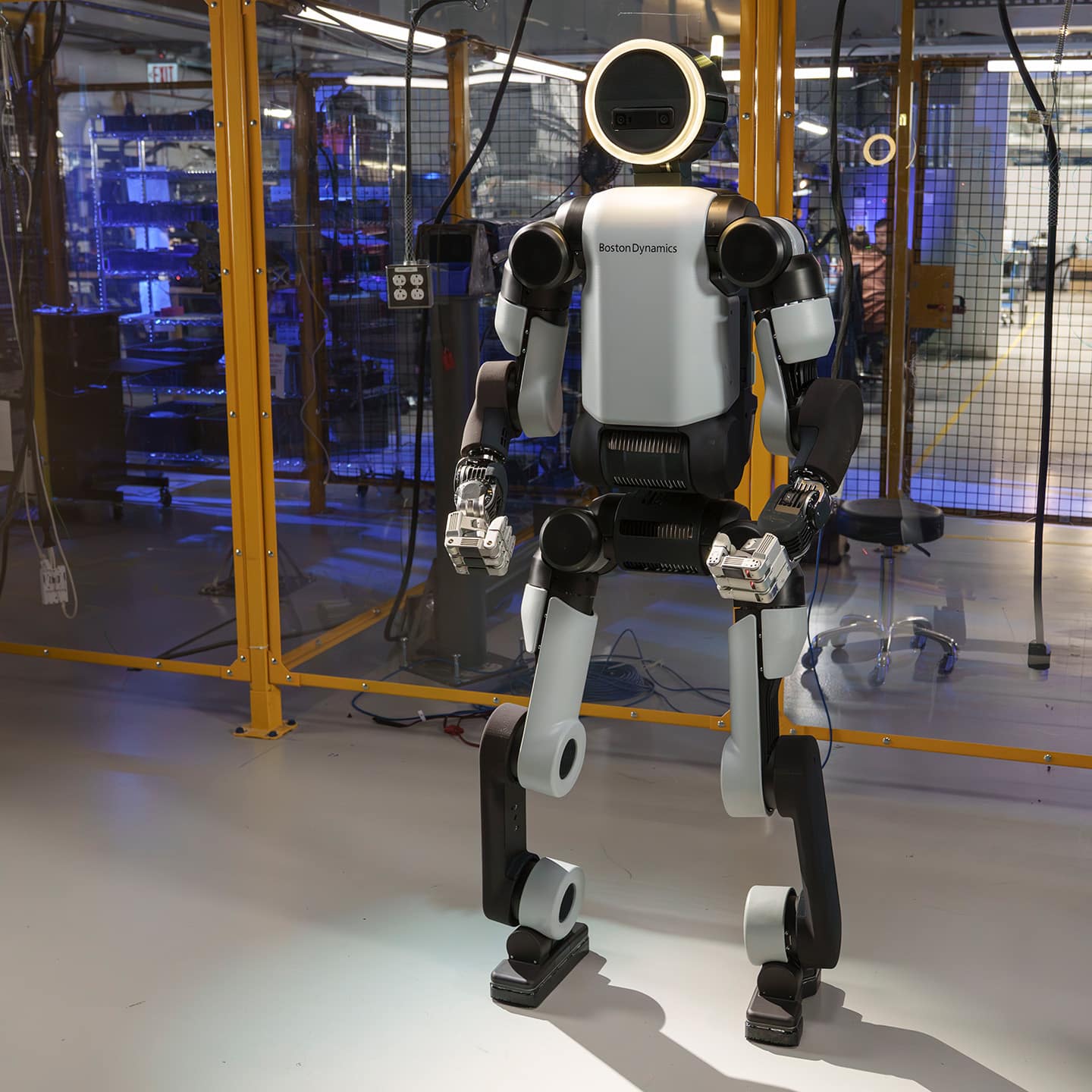
Soccer, often cited as the world’s most popular sport, provides a unique, high-stakes testing ground for autonomous systems. By using the pitch as a stage, Hyundai and Boston Dynamics are not just showcasing hardware—they are attempting to bridge the gap between complex engineering and public accessibility. During events leading up to the 2026 tournament, we are seeing a concerted effort to demonstrate how robots like “Spot” and the humanoid “Atlas” can navigate dynamic, unpredictable environments—much like the chaotic pace of a professional soccer match.

This initiative aligns with the broader goals of the 2026 FIFA World Cup™, which is set to be the largest in history, hosted across 16 cities in Canada, Mexico, and the United States. The scale of this event offers an unparalleled global platform for Hyundai to demonstrate its technological prowess. By presenting robotics through the lens of sport, the company is effectively humanizing the technology, making the concept of “mobility for all” more tangible to a global audience.
The Evolution of Boston Dynamics Under Hyundai
Since the acquisition, Boston Dynamics has transitioned from a research-heavy entity into a key component of Hyundai’s commercial strategy. The focus has shifted toward integrating these robots into industrial applications, such as factory automation and logistics, while maintaining high-profile public appearances that keep the brand in the cultural conversation.
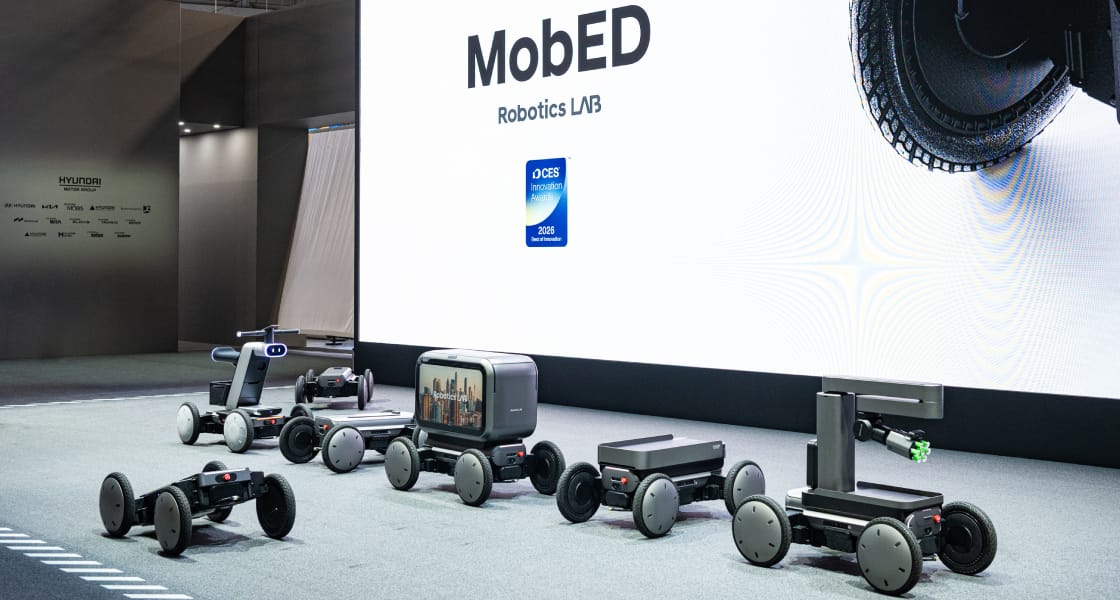
The collaboration highlights a critical trend in the entertainment industry: the “technological spectacle.” As audiences become increasingly sophisticated, brands are finding that static advertisements are no longer sufficient. Instead, they are turning to interactive, experiential marketing. Whether it is a robot performing a choreographed dance or interacting with athletes, these moments are designed to go viral, effectively turning a technical demonstration into a piece of shareable pop culture content.
Key Developments in Robotics Integration
- Industrial Autonomy: Moving robots from controlled lab environments to real-world, unpredictable settings like manufacturing floors.
- Public Engagement: Using high-visibility events to demystify robotics and build public trust in autonomous systems.
- Strategic Synergy: Aligning Hyundai’s automotive engineering expertise with Boston Dynamics’ advanced software and sensor capabilities.
According to official company documentation, the core mission remains the creation of robots that can handle the “dull, dirty, and dangerous” tasks, but the World Cup branding suggests a pivot toward more lifestyle-oriented applications. This strategy is essential for a company looking to remain relevant in a world where artificial intelligence and robotics are becoming household concepts.
The Future of Smart Mobility
Looking ahead, the role of robotics in the 2026 FIFA World Cup™ will likely extend beyond mere demonstrations. Industry analysts suggest that we may see these technologies deployed for logistics, security, and guest services within stadiums. As the tournament approaches, the integration of these systems will serve as a bellwether for how quickly society is willing to adopt robotic assistants in everyday life.
As an entertainment journalist, I am particularly interested in how these machines will be “cast” in the narrative of the World Cup. Will they be mere curiosities, or will they become integral to the fan experience? The answer lies in the ongoing development of artificial intelligence, which allows these robots to react to their surroundings with increasing fluidity.
For those interested in following the progress of this partnership, Hyundai provides regular updates through their global newsroom. These updates often detail the technical milestones achieved by their research and development teams, offering a glimpse into the rigorous testing required to bring these machines to the public stage.
Frequently Asked Questions
How is Boston Dynamics involved in the 2026 FIFA World Cup?
While specific match-day roles are still being finalized, Hyundai and Boston Dynamics are using the lead-up to the event to showcase how robotics can improve safety, logistics, and the overall fan experience through interactive demonstrations.
Why is soccer the chosen medium for these demonstrations?
Soccer serves as a universal language that transcends borders. Using the sport to demonstrate robotics allows the companies to engage a global audience regardless of their technical background.
Will we see robots on the field during matches?
While robots are being developed for high-mobility tasks, their presence on the field during official FIFA matches is subject to strict regulatory approval and safety protocols. Most current demonstrations occur in fan zones or controlled promotional environments.
As we move closer to the opening ceremony in 2026, the collaboration between Hyundai and Boston Dynamics will remain a key story to watch. It is a perfect example of how the lines between industry, sport, and entertainment continue to blur in our modern, hyper-connected world. Whether these robots will eventually be as recognizable as the star athletes themselves remains to be seen, but the intent is clear: to make the future of robotics a central part of the global stage.
The next major update regarding the integration of these technologies into the 2026 tournament structure is expected during the lead-up to the final draw. Stay tuned to our entertainment desk for more on how the world’s biggest sporting event is shaping the future of technology. Have you seen these robots in action, or do you have thoughts on the role of machines in sports? Share your perspective in the comments below.
Related reading