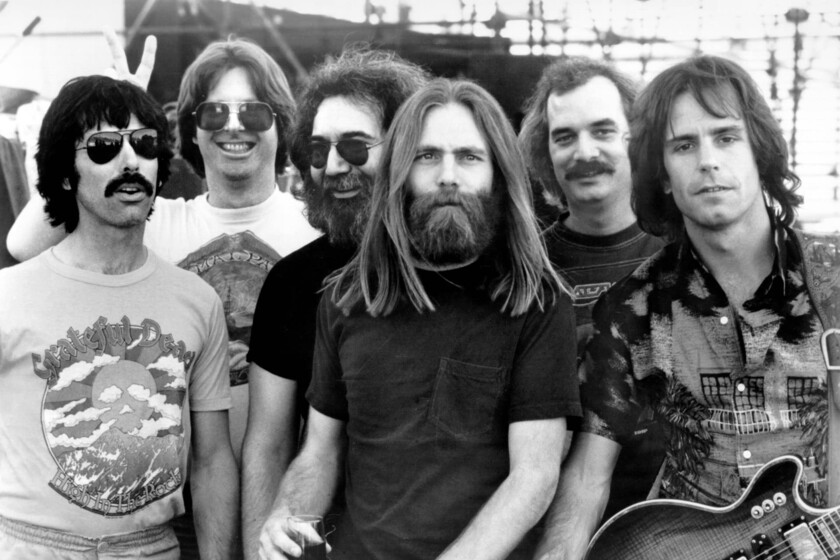
For nearly five decades, the Grateful Dead have occupied a unique space in the American musical canon, defined by an improvisational spirit that defied the constraints of traditional studio recording. While the band is most frequently celebrated for their expansive live performances, their 1977 studio output remains a defining moment in their history. Among their catalog, the track “Terrapin Station,” released on the album of the same name, stands out as a bold experiment in orchestration that continues to resonate with fans and critics alike nearly 49 years later.
The Grateful Dead, formed in 1965 as the Warlocks, cultivated a reputation for fusing diverse musical styles, including blues, jazz, bluegrass, folk, country, gospel, reggae, and psychedelia. Their transition from a San Francisco-based outfit to a global cultural phenomenon was driven by their commitment to live improvisation, which became an integral component of rock’n’roll history. By the time they reached the late 1970s, the band had already established a profound connection with their audience, yet they remained doggedly determined to follow their own artistic path, even when it led them toward the complexities of studio production.
The Ambition of Terrapin Station
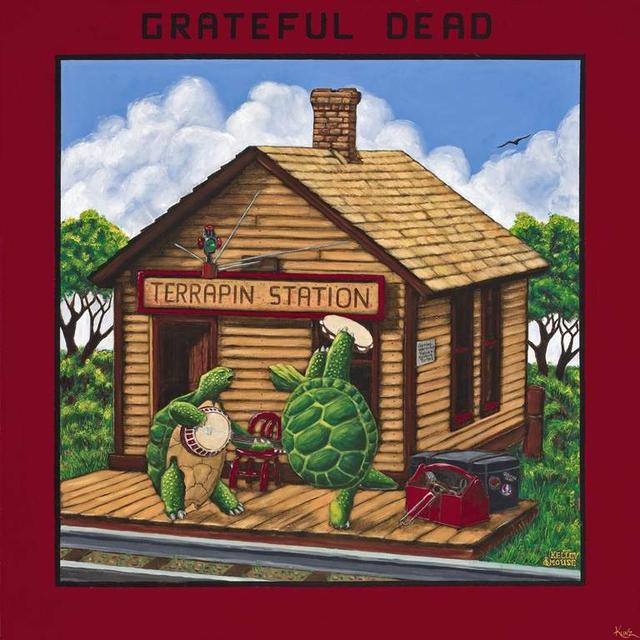
Released in 1977, Terrapin Station marked the band’s first studio album under the Arista label. It was a departure from their previous, more stripped-back recordings, arriving, as noted by critics, “awash with orchestration.” This stylistic pivot showcased the band’s willingness to experiment with formal arrangements, contrasting sharply with the raw, spontaneous energy typical of their live shows. The title track, which spans nearly 17 minutes in its suite format, remains a centerpiece of the album and a testament to the band’s enduring musical curiosity.

The significance of this era is further highlighted by the band’s broader discography. During a recording career that spanned over 22 years, the Grateful Dead produced no less than 13 studio albums. Their work in 1970, specifically the releases of Workingman’s Dead and American Beauty, is often viewed by historians as a companion set—frequently described by fans as being akin to “brother and sister.” These albums cemented the band’s reputation as founding fathers of what is now recognized as Americana, a genre that draws heavily on the eclectic roots music the Dead pioneered.
A Legacy of Improvisation and Exploration
The Grateful Dead’s final concert took place in July 1995, just one month before the passing of co-founding member and legendary guitarist Jerry Garcia at the age of 53. Despite the conclusion of their touring era, the band’s influence has remained undiminished. Their ability to bridge the gap between structured studio compositions and the limitless possibilities of the stage has left an indelible mark on the music industry. The 1977 period, in particular, illustrates a moment where the band balanced their established identity with the desire to explore new sonic landscapes.

The enduring popularity of tracks like those found on Terrapin Station speaks to the band’s unique ability to evolve without sacrificing the core elements that made them an influential force. Whether through the intricate arrangements of their studio work or the legendary improvisational jams of their live performances, the Grateful Dead maintained a standard of musical integrity that continues to attract new listeners today.
Key Milestones in the Band’s History
- 1965: The band forms under the name the Warlocks and plays their first gig as the Grateful Dead by the end of the year.
- 1970: The band releases two of their most acclaimed albums, Workingman’s Dead and American Beauty, within four months of each other.
- 1977: The release of Terrapin Station introduces a more orchestrated sound, marking their debut with Arista Records.
- 1995: The band plays their final concert in July; Jerry Garcia passes away the following month at age 53.
As we look back at the nearly 49-year trajectory since the release of their orchestral experiments, the Grateful Dead remain a vital subject of study for those interested in the evolution of rock music. Their legacy is not merely one of nostalgic appeal, but of a continued, active dialogue with a catalog that rewards deep listening. We invite our readers to share their own experiences with the 1977 studio sessions and how these compositions have shaped their appreciation for the band’s expansive work.
For official updates regarding the band’s archival releases and legacy projects, fans are encouraged to monitor the official Grateful Dead website, which serves as the primary repository for news and historical documentation.
Keep reading