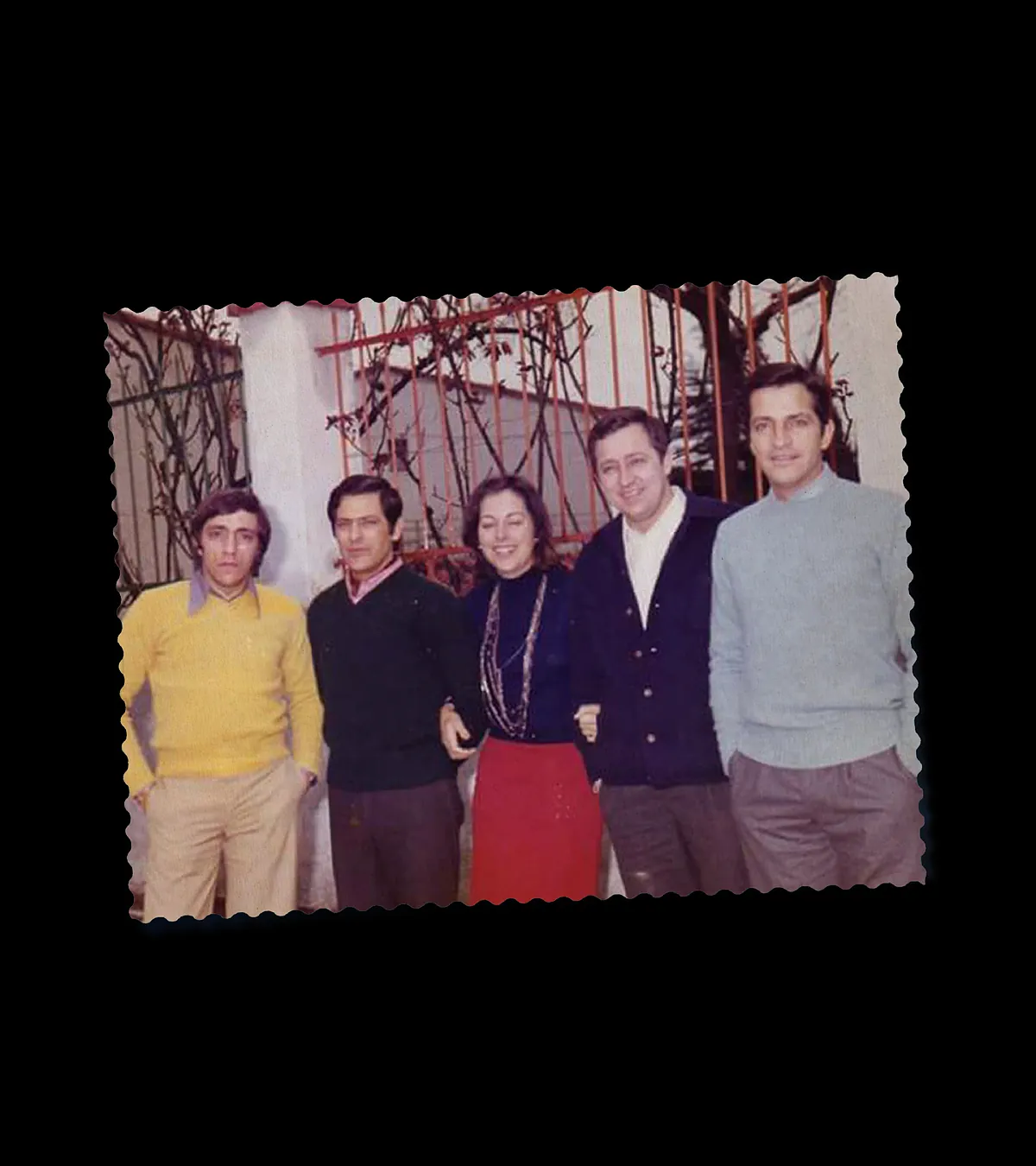
The financial legacy of Adolfo Suárez, Spain’s first democratically elected prime minister following the Franco dictatorship, has long been a subject of public scrutiny. Recent statements from his brother, José María Suárez, provide a perspective on the late politician’s private finances, specifically addressing the economic strain caused by the medical care of his late wife, Amparo Illana, and his daughter, Mariam Suárez. According to reports, these mounting healthcare costs contributed significantly to the eventual seizure of the family home.
Adolfo Suárez, who served as Prime Minister of Spain from 1976 to 1981, is often remembered for his role in the Spanish Transition. While public discourse occasionally touches upon the wealth of former government officials, family members have historically sought to clarify that his political career did not result in personal enrichment. The recent comments from José María Suárez offer a look into the intersection of high-profile public service and the private realities of long-term illness within a family.
The Financial Impact of Long-Term Illness
The health challenges faced by the Suárez family were extensive and well-documented in the Spanish press over the years. Amparo Illana, the wife of the former prime minister, was diagnosed with breast cancer in the early 1990s. Her battle with the disease lasted for over a decade, requiring intensive medical intervention. Simultaneously, their daughter, Mariam Suárez, faced her own prolonged struggle with cancer, which began in her early twenties and continued until her death in 2004 at the age of 41, as noted in records from the El País archive regarding her passing.
Medical costs associated with advanced cancer treatments, including specialized care and potential international consultations, were substantial. José María Suárez indicated that these expenses were the primary driver behind the family’s financial difficulties. The seizure of the family residence—a process legally managed through institutional banking actions—served as a stark indicator of the depletion of liquid assets during this period. In Spain, the legal process for property foreclosure is governed by the Civil Procedure Act (Ley de Enjuiciamiento Civil), which dictates the protocols for debt recovery and asset liquidation.
Public Service and Financial Transparency
The narrative that Adolfo Suárez utilized his time in office to accumulate personal wealth has been consistently refuted by his inner circle. Historical accounts of his tenure highlight a focus on dismantling the structures of the dictatorship and establishing a constitutional monarchy. His departure from office in 1981 preceded a period where many former officials transitioned into the private sector. The financial reports of that era, contrasted with the later medical crises of his family, suggest that his personal estate was not shielded from the high costs of private healthcare.
Understanding the distinction between public perception and private financial reality is essential when analyzing the lives of historical figures. While the political transition in Spain brought profound structural changes to the nation, the individual experiences of leaders like Suárez often remained private until later years. The case of the Suárez family serves as a reference point for how medical expenses can impact even those who have held the highest office in the country.
Contextualizing the Family Struggle
The emotional and financial toll on the Suárez family was a frequent topic in Spanish media throughout the 1990s and early 2000s. Amparo Illana, who died in 2001, and Mariam Suárez were central figures in the family’s private life. The transparency regarding these struggles, provided years later by surviving family members, aims to correct misconceptions about the former prime minister’s financial status during his post-political life. It clarifies that the loss of assets was not a result of political mismanagement or illicit gain, but rather the consequence of providing care during severe health crises.

For those interested in the historical record of the Spanish Transition, the official archives of the Spanish Congress of Deputies provide further insight into the legislative achievements of the Suárez government. While these documents detail his public legacy, the personal accounts from family members like José María Suárez remain the primary source for understanding the private constraints faced by the family during the final decades of the 20th century.
As discussions regarding the legacy of Adolfo Suárez continue, the focus remains on his contribution to modern Spanish democracy. Future historical assessments will likely continue to balance his political impact with the human elements of his life, including the financial sacrifices made during his family’s battle with illness. Readers are encouraged to share their thoughts or engage with historical documentation available through public records offices to gain a broader understanding of this period in Spanish history.