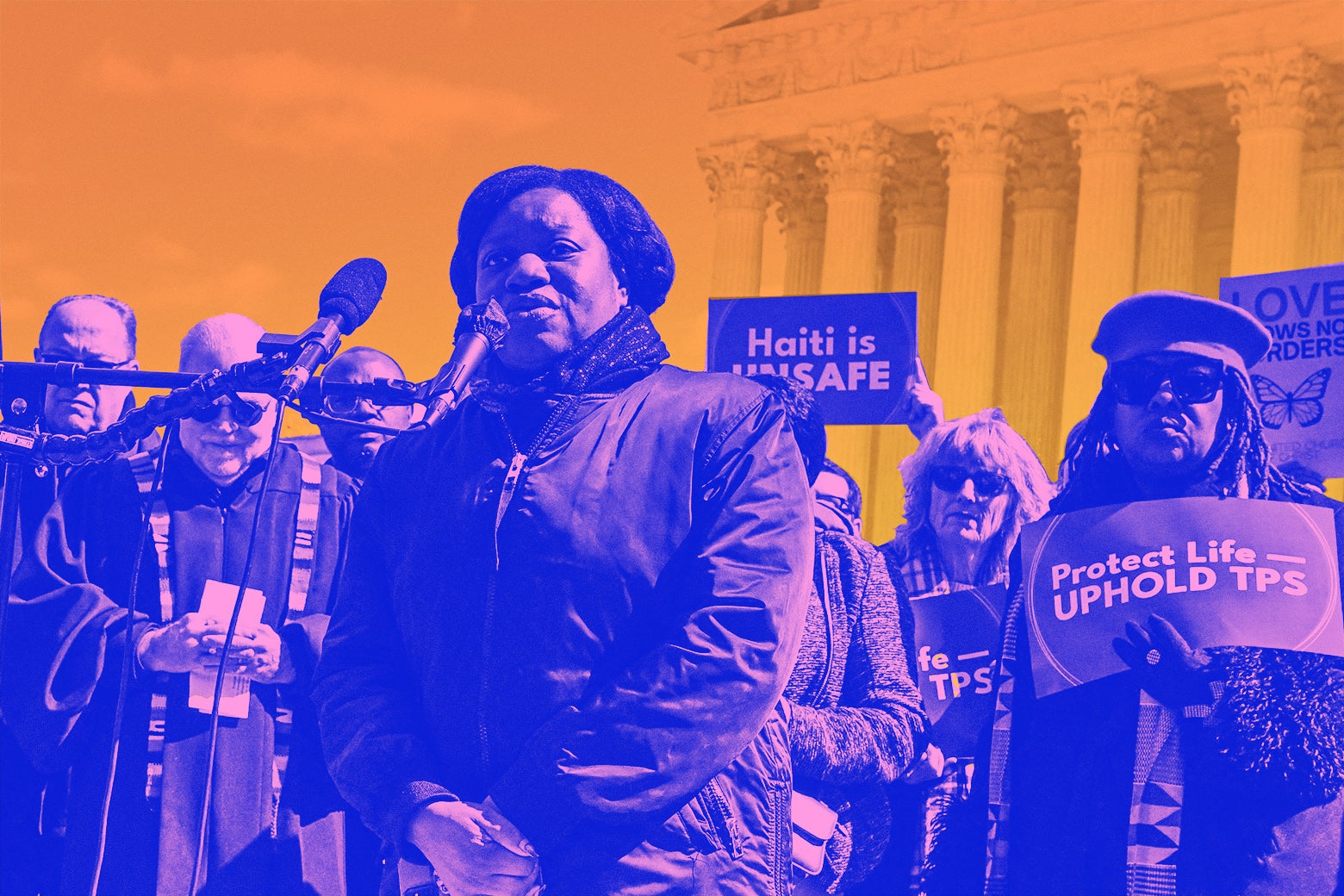
Federal policy adjustments targeting administrative fees and application backlogs have triggered sharp criticism from immigrant advocacy organizations across the United States. According to reports from the Reuters news agency, recent shifts in federal processing rules and fee structures are leaving hundreds of thousands of applicants facing steep financial barriers and extended uncertainty. The changes, implemented through regulatory updates by executive agencies, alter how humanitarian and employment-based applications are processed, raising costs for vulnerable populations seeking legal status.
The policy changes affect a wide array of pending petitions, altering the criteria and fee waivers traditionally relied upon by low-income applicants. Legal aid organizations report that the sudden adjustments have created severe bottlenecks in processing centers, leaving applicants unable to secure work authorization or legal protections while their cases remain pending. According to data analyzed by policy researchers, the financial burden falls heavily on individuals already navigating precarious economic circumstances.
Critics argue that the adjustments effectively penalize individuals for administrative delays outside their control. Representatives from civil rights groups state that the revisions curtail access to legal recourse by pricing out applicants who depend on fee exemptions. As federal agencies defend the updates as necessary for administrative efficiency, affected communities and legal representatives prepare for protracted challenges in federal courts.
Understanding the Policy Shifts and Administrative Impact
The core of the recent policy adjustments involves modifications to application fee structures and stricter evidentiary requirements for waiver requests. Federal agencies administering immigration and humanitarian programs introduced the changes to streamline operations, but legal experts note the immediate consequence has been a dramatic escalation in costs for applicants. According to statements released by legal defense coalitions, the removal of certain fee exemptions leaves many applicants with no viable path to complete their filings.
Administrative backlogs have compounded these financial hurdles. With hundreds of thousands of cases currently stalled in the adjudication pipeline, applicants face prolonged waiting periods without employment authorization. Legal aid clinics report an influx of clients unable to afford the updated filing fees, forcing many to abandon their petitions entirely. This dynamic has raised urgent concerns among economists and social welfare advocates who track the integration of immigrant labor forces.
Stakeholder Responses and Legal Challenges
Immigrant advocacy networks have mobilized in response to the regulatory changes, filing administrative challenges and urging congressional oversight. According to public filings, several legal coalitions are preparing lawsuits to challenge the legality of the fee adjustments, arguing that the changes violate procedural rulemaking standards. Organizations such as the American Civil Liberties Union have closely monitored the implementation of these rules, emphasizing their disproportionate impact on low-income families.
Conversely, administration officials maintain that the adjustments are essential for modernizing agency infrastructure and reducing long-term backlogs. In official agency briefs, representatives emphasize that user fees fund the operational costs of adjudication services. However, independent analysts point out that increased costs without corresponding improvements in processing speeds only exacerbate the crisis facing applicants.
Next Steps and Official Updates
Federal agencies have announced a public comment period for ongoing regulatory reviews, offering stakeholders an opportunity to submit feedback on the administrative changes. Legal defense organizations advise affected applicants to consult accredited representatives before submitting filings under the revised guidelines. Further updates regarding pending litigation and administrative adjustments are expected as federal courts review the initial challenges brought by advocacy groups.
Keep reading