
Public health officials are increasingly warning that the marketing of smokeless tobacco and newer nicotine products often masks significant physiological risks, complicating global efforts to reduce tobacco-related mortality. While these products are sometimes presented as safer alternatives, medical researchers emphasize that they continue to expose users to addictive substances and carcinogens, contributing to a persistent global health crisis. According to the World Health Organization, tobacco use remains one of the leading causes of preventable death worldwide, claiming more than 8 million lives annually.
The distinction between traditional combustible cigarettes and smokeless alternatives is frequently blurred in public discourse, despite consistent data linking all forms of tobacco use to severe cardiovascular and metabolic complications. Medical professionals report that the physiological impact of nicotine consumption extends far beyond the lungs, affecting systemic health in ways that often go unrecognized by younger demographics. As international health organizations continue to monitor these trends, the focus has shifted toward the intersection of tobacco consumption, metabolic syndrome, and long-term heart health.
Cardiovascular Risks and Tobacco Consumption
The correlation between tobacco use and heart disease is well-documented, with clinicians observing high rates of cardiac events among regular users. In regions where tobacco consumption remains prevalent, specialists have highlighted that a significant majority of patients presenting with myocardial infarction, or heart attacks, are active smokers. Data from regional health reporting in North Africa indicates that over 70% of patients treated for acute myocardial infarction in some clinical settings have a history of tobacco use, underscoring the immediate danger posed to the cardiovascular system, as noted by the La Presse de Tunisie in recent health monitoring reports.

Nicotine acts as a potent vasoconstrictor, increasing heart rate and blood pressure, which places undue stress on the arterial walls. Over time, this process accelerates atherosclerosis, the buildup of plaque in the arteries that restricts blood flow. Beyond the immediate cardiac impact, tobacco use is a recognized driver of metabolic dysregulation. Chronic exposure to nicotine and other combustion byproducts is linked to insulin resistance and altered lipid profiles, which further compound the risk of metabolic syndrome. These systemic changes explain why tobacco users face elevated risks of both heart disease and type 2 diabetes, a dual burden that complicates clinical management for millions of patients globally.
The Challenge of Emerging Nicotine Products
Marketing strategies for smokeless tobacco and nicotine pouches often rely on the premise of “harm reduction.” However, public health experts argue that this narrative lacks sufficient long-term clinical validation and may inadvertently encourage non-users, particularly adolescents, to initiate nicotine consumption. The Centers for Disease Control and Prevention (CDC) warns that nicotine exposure during adolescence can disrupt brain development, potentially leading to long-term cognitive and behavioral consequences. This concern is shared by pediatric health experts who point to the rising prevalence of nicotine product usage among minors as a significant “red alert” for future public health outcomes.
The shift toward “scientific” branding—often featuring clean packaging and clinical-sounding terminology—serves to detach the product from the known social and biological stigma of smoking. By presenting these items as modern, discreet, and technologically advanced, manufacturers effectively bypass traditional anti-tobacco messaging. Health researchers caution that this rebranding effort obscures the fundamental reality: the delivery of nicotine remains the primary objective, and the physiological addiction pathway remains unchanged regardless of the delivery mechanism.
Global Health Policy and Future Monitoring
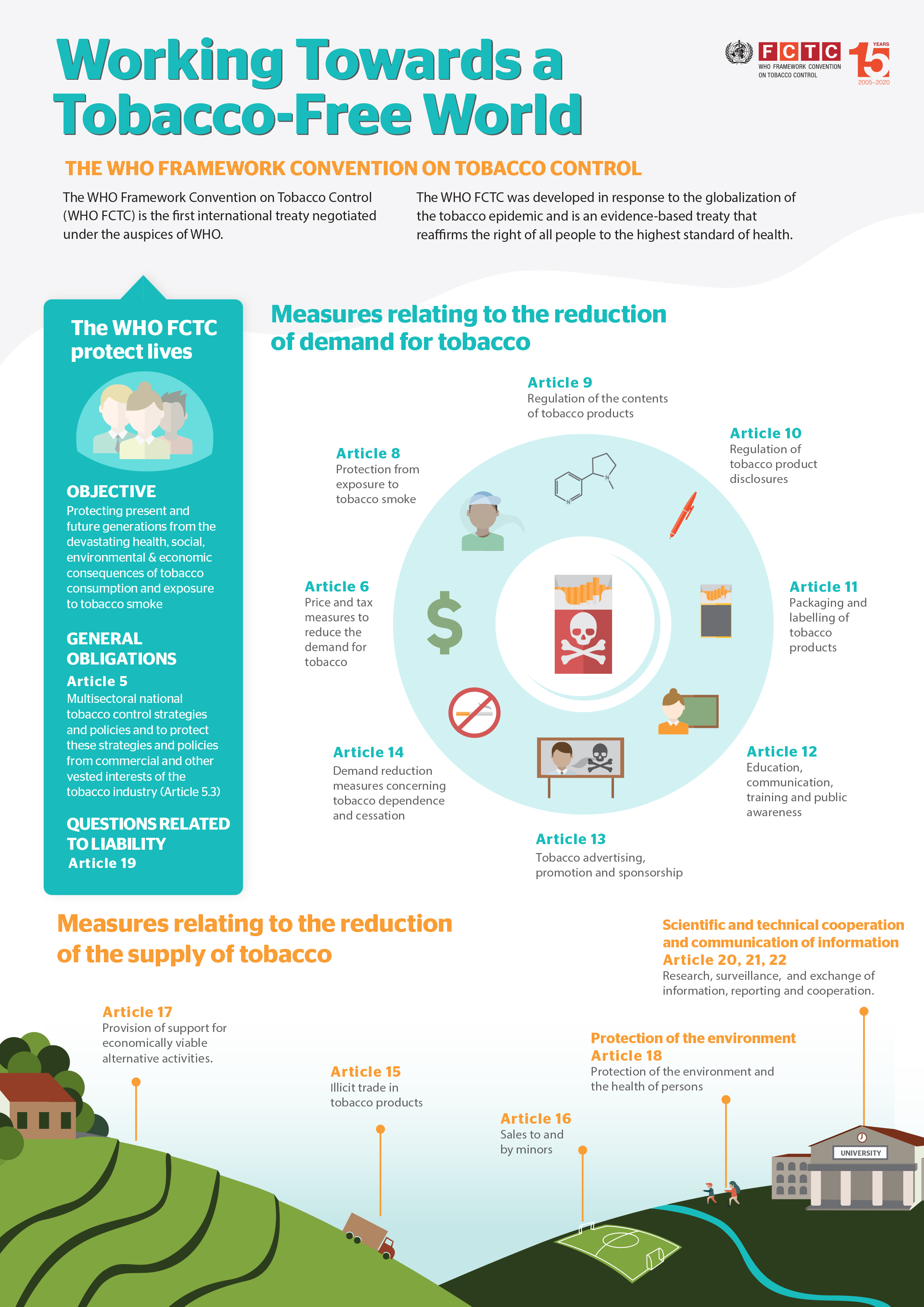
Addressing the tobacco epidemic requires a multifaceted approach that includes strict regulation of product marketing, expanded access to cessation services, and public education campaigns that address the risks of all nicotine-containing products. Current international frameworks, such as the WHO Framework Convention on Tobacco Control, provide a blueprint for countries to implement evidence-based policies, including taxation, smoke-free environments, and clear, graphic health warnings on all packaging. Despite these efforts, the rapid evolution of the market—specifically the introduction of synthetic nicotine and novel smokeless devices—often outpaces the speed of legislative reform.
Moving forward, health ministries are expected to focus on closing the regulatory loopholes that allow these products to reach minors. Increased surveillance of metabolic health markers in tobacco-using populations is also becoming a priority for clinical researchers, who aim to better quantify the long-term impact of non-combustible nicotine on systemic disease. As new data emerges from longitudinal studies, the medical community will continue to advocate for a precautionary approach, emphasizing that the absence of smoke does not equate to the absence of harm.
The next major checkpoint for international tobacco policy will be the upcoming session of the Conference of the Parties (COP) to the WHO Framework Convention on Tobacco Control, where member states are expected to discuss updated guidelines on emerging nicotine delivery systems. Readers are encouraged to monitor updates from their national health departments and the WHO for official guidance on tobacco cessation and current regulatory changes. We welcome your perspectives on these public health challenges in the comments section below.
Keep reading
- Youth Activism: How Young Leaders Are Fighting for Human Rights and Justice
- US Ambassador Mike Huckabee Condemns Israeli Settler Siege in West Bank as “Act of Terror
- FDA Approves Groundbreaking mRNA Vaccine Booster for Adults 50+, Boosting Immunity and Protecting Against Chronic Health Risks (archyworldys.com)
- The Future of Health Insurance Coverage and Healthcare Standards (world-today-news.com)