
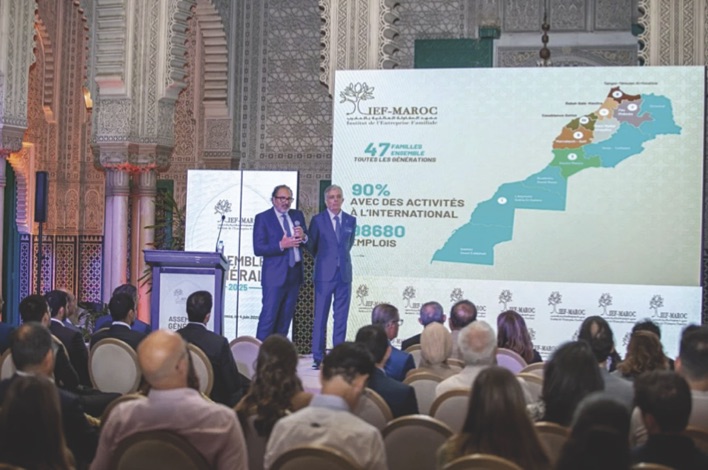
Family-owned businesses represent the backbone of global economic stability, yet they face a critical juncture as they navigate the complex process of generational succession. According to data from the Family Business Network, these enterprises account for a significant portion of private sector employment and GDP globally, yet many fail to survive the transition from the founder to the second or third generation due to inadequate planning and governance structures.
The Structural Significance of Family Enterprises
Family-owned firms are defined by their unique intersection of ownership, management, and family dynamics. Unlike publicly traded corporations, these entities often prioritize long-term capital preservation and legacy over short-term quarterly earnings. Research published by the World Economic Forum highlights that family businesses often demonstrate greater resilience during economic downturns, largely because they are less susceptible to the pressures of external shareholders and short-term market volatility.

However, this stability is frequently threatened by the “three-generation curse,” a phenomenon where the original founder’s entrepreneurial vision is diluted as the family tree expands. Governance becomes increasingly difficult as the number of stakeholders grows, leading to potential conflicts regarding dividend policies, reinvestment strategies, and the appointment of non-family professional managers.
The Complexity of Generational Transition
Succession planning is perhaps the most significant risk factor for family-owned businesses. A study by PwC’s Global Family Business Survey indicates that while many family-owned enterprises recognize the need for a formal succession plan, a substantial percentage lack a documented strategy that addresses both the transfer of equity and the transfer of leadership. The challenge is twofold: ensuring the professional competence of the successor and maintaining family harmony throughout the transition.

Effective transition strategies often involve the implementation of a “family constitution,” a formal document that outlines the rules for family members’ involvement in the business, conflict resolution mechanisms, and the criteria for selecting leadership. Legal experts note that without such frameworks, disputes over management control can lead to litigation, which often results in the dissolution of the firm or a forced buyout of dissenting family members.
Governance and Professionalization
To survive the transition, many family firms are increasingly turning to professional management. This involves bringing in non-family executives to oversee daily operations, allowing the family to transition into a board-level oversight role. This shift, while essential for growth, often creates friction between family members who feel entitled to management positions and professional managers who prioritize merit-based advancement.
The Institute for Family Business emphasizes that the most successful transitions involve a phased approach where the next generation is mentored in a structured environment before assuming executive authority. This process often includes time spent working in other industries to gain independent experience, which validates their qualifications in the eyes of long-term employees and stakeholders.
Institutional Support and Economic Policy
Economic policies in various jurisdictions can either facilitate or hinder the longevity of family firms. Tax regulations regarding inheritance and capital gains are frequently cited as primary obstacles. In many regions, the tax burden triggered by the transfer of shares from one generation to the next can force the sale of the business to a third party or a private equity firm simply to cover the liquidity requirements of the tax bill.

Policy advocates, such as those working with the OECD on SME policy, have suggested that governments should consider reform measures for business transfers. These may include tax deferral schemes or exemptions provided that the business continues to operate and maintain employment levels for a specified period post-transfer.
Preparing for the Future
The survival of a family business in the current economic climate requires more than just internal planning; it demands a proactive approach to digital transformation and market adaptation. Founders must be willing to relinquish control, and successors must be prepared to evolve the business model to meet changing consumer demands. The next scheduled industry updates regarding international best practices for family governance will be available through the EY Global Family Enterprise center, which regularly publishes reports on regulatory changes and succession trends.
As family businesses continue to adapt to global economic pressures, the emphasis remains on balancing the emotional complexities of kinship with the cold, analytical requirements of competitive business strategy. Stakeholders are encouraged to monitor upcoming regional regulatory filings for updates on local succession tax laws and to engage with professional advisors to ensure their governance structures are robust enough to withstand the challenges of the next decade.