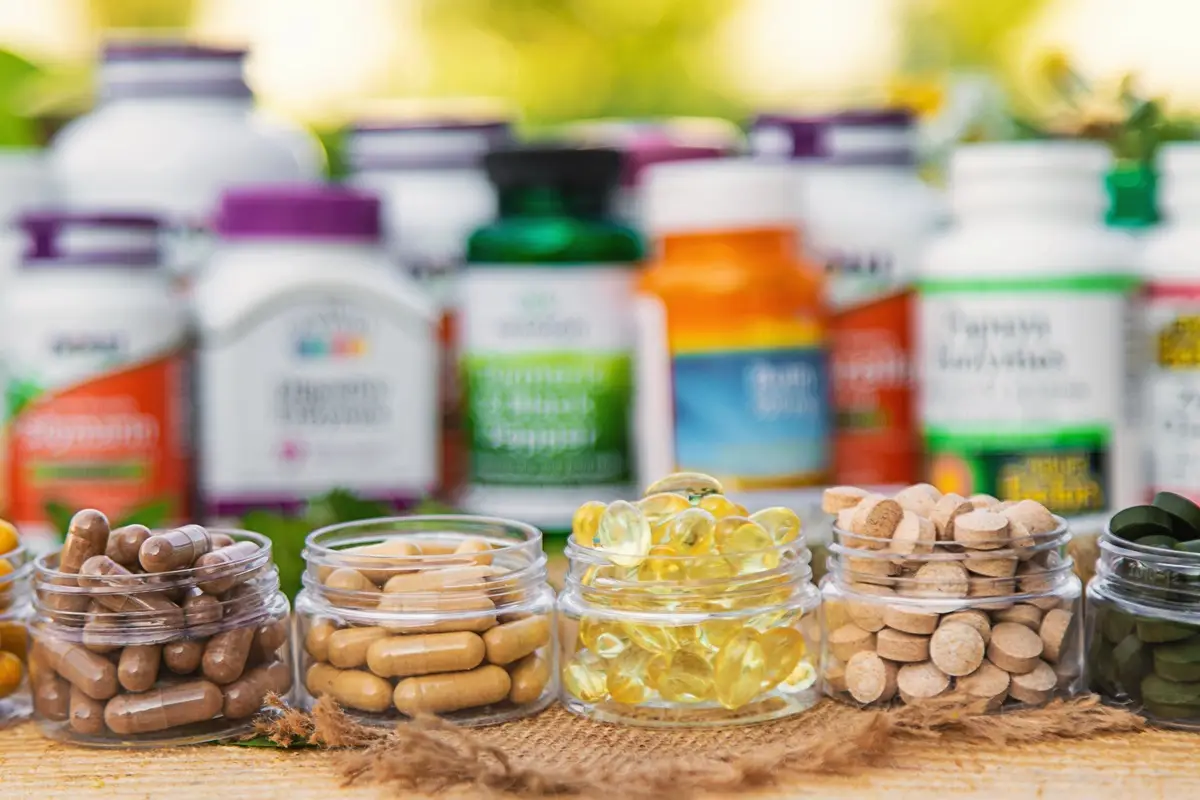
Pharmacists in Jaén, Spain, have raised concerns about the rapid growth of the nutricosmética industry, urging for stricter scientific scrutiny and professional oversight to ensure consumer safety. The call comes as demand for these products—described as dietary supplements with cosmetic or health benefits—has surged, prompting debates over regulatory frameworks and the role of healthcare professionals in guiding public choices.
The discussion emerged during a recent public forum organized by the Jaén Pharmaceutical Association, where experts highlighted gaps in current legislation and the need for evidence-based evaluations of nutricosmética products. “The market is expanding faster than our ability to assess its safety and efficacy,” said Dr. María López, a pharmacologist at the University of Jaén. “Without standardized testing and transparent labeling, consumers risk being misled by unproven claims.”
Nutricosmética, a term blending “nutrition” and “cosmetics,” encompasses products like collagen infusions, probiotic skincare, and vitamin-enriched beverages. While some formulations have scientific backing, others rely on anecdotal evidence or marketing hype. In Spain, the sector has grown by an estimated 18% annually over the past five years, according to the Spanish Association of Nutritional Supplement Manufacturers (AMEN). However, regulatory oversight remains fragmented, with some products classified as food supplements and others as pharmaceuticals.
Jaén’s pharmacists argue that the lack of uniform standards creates a “gray zone” where unqualified vendors can sell potentially harmful products. “Pharmacists are trained to evaluate drug interactions and health risks,” said José Martínez, a community pharmacist in Jaén. “When a customer asks about a nutricosmética product, we need to provide accurate information—not just guesswork.”
What Is Driving the Nutricosmética Boom?
The rise of nutricosmética reflects broader societal trends toward holistic wellness and preventive healthcare. Social media platforms like Instagram and TikTok have amplified marketing campaigns for these products, often linking them to beauty, energy, and longevity. A 2023 study by the Spanish Society of Public Health found that 62% of adults aged 25–45 had used a nutricosmética product within the past year, with many citing influencer endorsements as a key factor.

However, the sector’s growth has outpaced regulatory development. In the European Union, nutricosmética products fall under the Novel Food Regulation, which requires safety assessments for new ingredients. Yet, many products leverage “traditional use” exemptions or are marketed as dietary supplements rather than medicines. This ambiguity leaves gaps in oversight, according to the European Food Safety Authority (EFSA), which has called for clearer guidelines.
Spanish health authorities have taken some steps to address the issue. In 2022, the Spanish Agency of Medicines and Health Products (AEMPS) issued a warning about several nutricosmética products containing undeclared pharmaceutical ingredients. The agency also launched a public awareness campaign to educate consumers on identifying legitimate products and reporting suspicious claims.
Why Are Pharmacists Leading the Call for Regulation?
Pharmacists in Jaén emphasize their unique role as accessible healthcare professionals who can bridge the gap between scientific research and public understanding. “We are not just dispensers of medication—we are educators,” said Dr. Elena Gómez, a clinical pharmacist. “When a customer asks about a supplement, we need to ask: What’s the evidence? What are the risks? And how does this fit into their overall health plan?”

This perspective aligns with global trends in pharmacy practice. The World Health Organization (WHO) has advocated for pharmacists to play a more active role in health promotion, particularly in areas like nutrition and chronic disease management. In Spain, the Royal Spanish Pharmaceutical Society (REAF) has also encouraged pharmacists to engage in public health initiatives, though implementation varies by region.
Despite these efforts, challenges persist. Many nutricosmética products are sold online, bypassing traditional retail channels. A 2023 audit by the Spanish Consumer Organization (OCU) found that 30% of online nutricosmética ads contained misleading health claims, such as “cures acne” or “boosts metabolism.” The OCU has since pushed for stricter enforcement of advertising regulations and greater transparency from manufacturers.
What Are the Risks of Unregulated Nutricosmética?
The lack of oversight poses several risks, including adverse health effects, financial exploitation, and the potential for interactions with prescribed medications. For example, a 2022 case study published in the *Spanish Journal of Clinical Nutrition* detailed a patient who experienced liver toxicity after taking a nutricosmética product containing a banned herbal extract. The product was later found to have been mislabeled and sold without proper documentation.
Pharmacists warn that vulnerable populations—such as the elderly, pregnant women, and individuals with chronic illnesses—are particularly at risk. “These groups often turn to supplements to manage symptoms or improve quality of life,” said Dr. López. “But without proper guidance, they may inadvertently harm themselves.”
Another concern is the environmental impact of nutricosmética production. A 2023 report by the Spanish Environmental Agency highlighted the growing use of single-use packaging and the disposal of unused products, which can contribute to microplastic pollution. While some brands have adopted eco-friendly practices, the sector as a whole lacks standardized sustainability criteria.
How Can Consumers Navigate the Nutricosmética Market?
Experts recommend that consumers take a proactive approach when evaluating nutricosmética products. Key steps include:

- Check for certifications: