
Dental and stomatological associations in Chile’s Biobío Region, known as the VIII Región, have issued a formal alert regarding a concerning increase in oral cancer cases among the local population. Health professionals are emphasizing that early detection and consistent screening remain the most effective methods to reduce mortality rates associated with the disease, as symptoms often go unnoticed in the initial stages. According to the Chilean Ministry of Health, oral cavity cancers require urgent attention due to their significant impact on quality of life and the necessity for specialized, multidisciplinary treatment paths.
For residents, the surge in reports highlights a critical need for routine dental examinations. Oral cancer, which includes malignancies of the lips, tongue, cheeks, and the floor of the mouth, frequently presents as persistent ulcers, white or red patches, or unexplained lumps. Dr. Helena Fischer, Editor of Health at World Today Journal, notes that while lifestyle factors such as tobacco and alcohol consumption are primary risk factors, the clinical shift toward early detection in primary care settings is essential for improving long-term patient outcomes.
Understanding the Risk Factors and Early Symptoms
The medical community in the Biobío Region is focusing on public education to address the rising incidence of oral malignancies. Experts categorize the primary drivers of oral cancer as preventable in many instances; however, the lack of awareness regarding early warning signs remains a persistent challenge. The World Health Organization (WHO) identifies tobacco use, heavy alcohol consumption, and infection with the human papillomavirus (HPV) as significant contributors to the development of oral squamous cell carcinoma.

Clinical guidance suggests that individuals should consult a professional if they experience symptoms lasting more than two weeks, such as:
- Unexplained bleeding in the mouth.
- Persistent numbness or loss of sensation in any area of the oral cavity.
- Difficulty swallowing or moving the jaw.
- Persistent ear pain without an obvious ear infection.
The Role of Preventive Dentistry in Cancer Screening
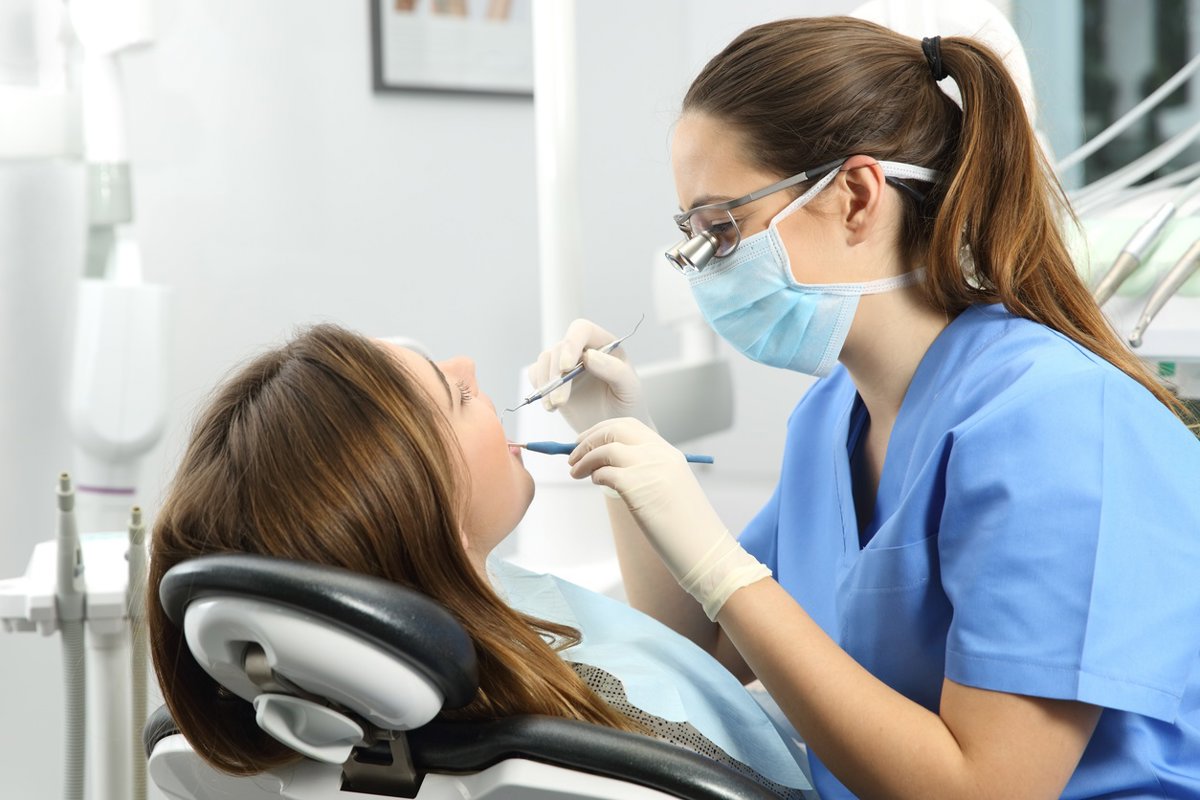
Dentists and stomatologists serve as the first line of defense in the fight against oral cancer. Unlike many other forms of cancer, the oral cavity is easily accessible for visual inspection during a routine dental cleaning or check-up. Professional associations in the region are urging citizens to maintain their dental health appointments, as these visits often provide the only opportunity for a trained eye to identify suspicious tissue changes before they progress into advanced stages.

According to the Chilean College of Dentists, the integration of oral cancer screening into the standard dental protocol is a non-negotiable standard of care. When a dentist identifies a lesion that does not heal, the established protocol involves a referral to a specialist for a biopsy. This diagnostic step is crucial, as early-stage treatment is significantly less invasive and carries a higher success rate compared to interventions required for late-stage diagnoses.
Public Health Infrastructure and Next Steps
Addressing the rise in cases requires a coordinated effort between private dental practices and the public health system. In Chile, the Regional Hospital system coordinates with municipal health centers to ensure that patients identified as “at-risk” receive timely access to imaging and surgical consultations. The current strategy prioritizes the “GES” (Garantías Explícitas en Salud) program, which provides guaranteed coverage for specific cancer treatments, ensuring that financial barriers do not prevent patients from seeking necessary care.

For those living in the Biobío Region, the next official checkpoint for information involves upcoming regional health board sessions, where dental representatives are expected to present updated data on the incidence rates observed throughout the current calendar year. Authorities are encouraging patients to review their last dental exam date and schedule a screening if they have not been seen within the past twelve months. Residents seeking information on how to access screening services are advised to contact their nearest CESFAM (Centro de Salud Familiar) or their private dental provider.
Have you or a family member been affected by changes in local health access? Share your thoughts in the comments below, or sign up for our newsletter for updates on regional health policy and medical advancements.