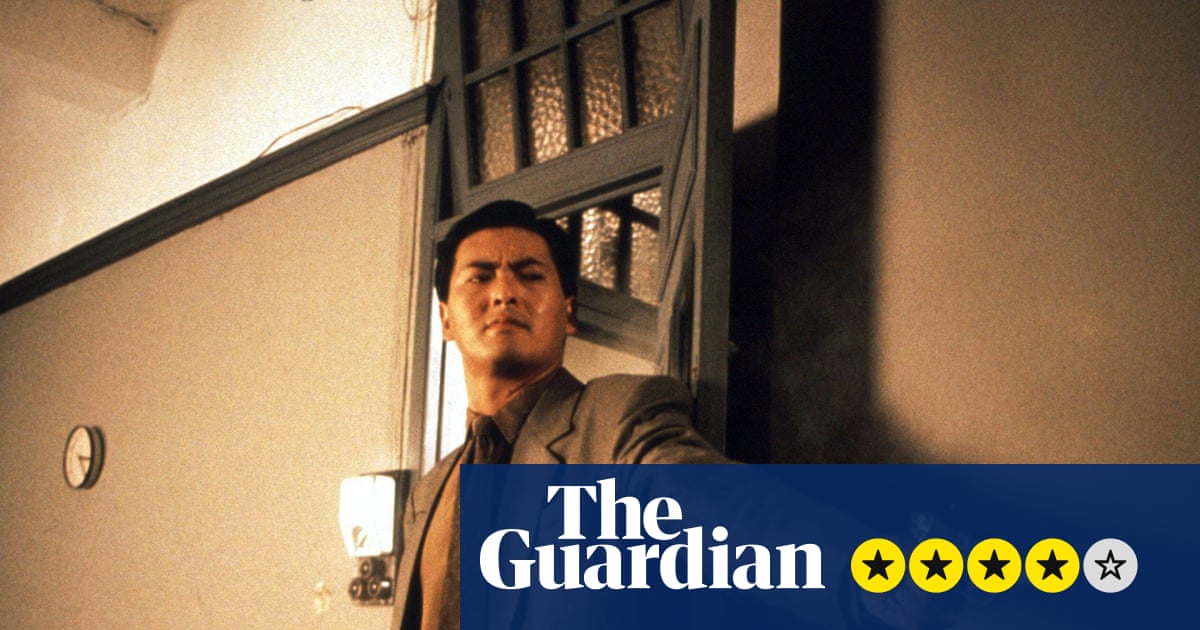
The resurgence of John Woo’s 1989 action masterpiece, The Killer, in a stunning 4K restoration is a cinematic event for both longtime fans and a new generation of action film enthusiasts. More than just a showcase of breathtaking gunplay, The Killer is a deeply emotional and surprisingly melancholic exploration of guilt, redemption, and the bonds forged in a violent underworld. The film, starring Chow Yun-fat in one of his most iconic roles, continues to resonate decades later, influencing filmmakers from Quentin Tarantino to contemporary action choreographers. This isn’t simply an action movie. it’s a meticulously crafted melodrama, a genre Woo masterfully blends with his signature stylized violence.
Woo’s ability to elevate the action genre is often attributed to his unique approach to storytelling, one that prioritizes character motivation and emotional resonance even amidst chaotic shootouts. The Killer exemplifies this, presenting a narrative centered on Ah Jong (Chow Yun-fat), a professional hitman grappling with the unintended consequences of his profession. The film’s enduring appeal lies in its ability to humanize a killer, forcing audiences to confront the moral complexities of his world and, sympathize with his plight. The film’s influence extends beyond the action genre, with critics noting its stylistic similarities to the works of Douglas Sirk, a master of melodrama.
A Story of Guilt and Redemption
The plot of The Killer revolves around Ah Jong, a highly skilled assassin who accepts one final contract to earn enough money for an eye operation for Jennie (Sally Yeh), a singer he accidentally blinded during a previous hit. This act of accidental violence sets in motion a chain of events driven by guilt and a desperate desire for atonement. Ah Jong’s obsession with Jennie is portrayed with a poignant tenderness, contrasting sharply with the brutality of his profession. He silently observes her performances, offering assistance from the shadows, and meticulously plans his final job, all while wrestling with the weight of his actions. The narrative structure, borrowing elements from films like Magnificent Obsession (1935), directed by John Stahl and later remade by Douglas Sirk, underscores the film’s melodramatic core.
Complicating matters is Li Ying (Danny Lee), a determined police inspector haunted by his own accidental involvement in a civilian death. Li Ying’s pursuit of Ah Jong evolves into a complex relationship marked by grudging respect and a shared understanding of the burdens they carry. The parallel between their situations – both men grappling with the unintended consequences of their actions – adds a layer of moral ambiguity to the narrative. As Li Ying delves deeper into the case, he begins to question the rigid lines between justice and vengeance.
Woo’s Signature Style and Influences
John Woo’s directorial style, characterized by balletic gunfights, leisurely-motion sequences, and a penchant for operatic violence, is on full display in The Killer. The film’s action set pieces are not merely displays of firepower; they are meticulously choreographed spectacles that emphasize heroism, sacrifice, and the tragic beauty of violence. The iconic two-gun wielding technique, a hallmark of Woo’s films, is prominently featured, elevating the action sequences to an almost artistic level. The director’s influence on subsequent action filmmakers is undeniable, with many citing The Killer as a key inspiration. Notably, the film’s impact can be seen in the operate of directors like Quentin Tarantino and Robert Rodriguez, and even in more recent productions like the 2024 television adaptation of The Day of the Jackal.
Beyond the action, The Killer is notable for its unexpected moments of humor and pathos. A particularly memorable scene involves Jennie unknowingly finding herself in the midst of a tense standoff between Ah Jong and Li Ying, forcing the two men to feign civility to avoid frightening her. This juxtaposition of violence and vulnerability is a recurring theme in Woo’s work, highlighting the human cost of conflict. The use of a mournful harmonica, played by Ah Jong, adds another layer of emotional depth, evoking a sense of loneliness and regret. This stylistic choice, reminiscent of classic Westerns, further underscores the film’s exploration of themes of honor and sacrifice.
A Legacy of Action Cinema
The Killer wasn’t an immediate box office success in Hong Kong upon its 1989 release, but it quickly gained international acclaim, solidifying John Woo’s reputation as a visionary filmmaker. The film’s influence extends far beyond the action genre, inspiring filmmakers and artists across various disciplines. Its innovative use of violence, coupled with its emotionally resonant storytelling, set a new standard for action cinema. The film’s exploration of themes like guilt, redemption, and the complexities of morality continues to resonate with audiences today.
The recent 4K restoration of The Killer allows viewers to experience the film’s visual brilliance in unprecedented detail. The enhanced image quality brings Woo’s signature style to life, showcasing the intricate choreography of the action sequences and the nuanced performances of the cast. This restoration is a testament to the film’s enduring legacy and its importance in the history of cinema. The restoration, released by Arrow Video, includes supplemental materials offering insights into the film’s production and its lasting impact.
The Enduring Appeal of a Hong Kong Classic
The Killer stands as a landmark achievement in Hong Kong action cinema, a film that seamlessly blends genre conventions with profound emotional depth. It’s a testament to John Woo’s ability to elevate the action genre beyond mere spectacle, creating a cinematic experience that is both thrilling and deeply moving. The film’s exploration of universal themes – guilt, redemption, and the search for meaning in a chaotic world – ensures its continued relevance for audiences worldwide. The complex characters, the stylish action, and the poignant storytelling all contribute to The Killer’s enduring appeal.
The film’s impact on action cinema is undeniable, influencing countless filmmakers and shaping the genre for decades to reach. From its innovative use of slow-motion and gunplay to its emotionally resonant narrative, The Killer remains a touchstone for action enthusiasts and a masterclass in cinematic storytelling. The 4K restoration ensures that this classic will continue to inspire and captivate audiences for generations to come.
The Killer is currently playing in UK cinemas from March 20th. Retain an eye on your local listings for showtimes and opportunities to experience this cinematic masterpiece on the big screen.
What are your thoughts on John Woo’s The Killer? Share your favorite scenes and discuss its lasting impact in the comments below. Don’t forget to share this article with fellow film enthusiasts!