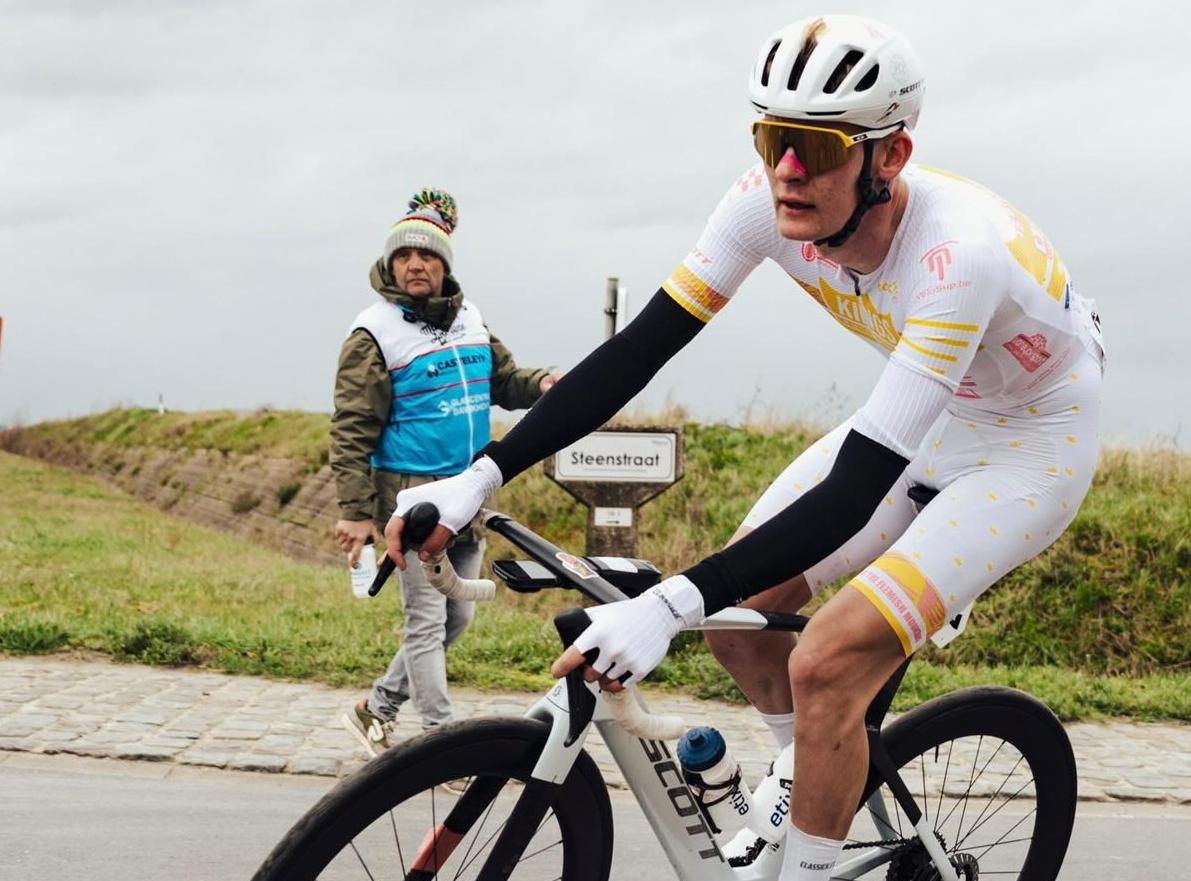
In the high-stakes world of professional cycling, the road to recovery is often as grueling as the mountain climbs themselves. For young Belgian talent Senne Thonnon, the past several months have been defined by a challenging battle with glandular fever (mononucleosis), an illness that sidelined his training and forced a complete reset of his athletic calendar. Now, as he prepares for his first international competition, the Antwerp-based rider is shifting his focus toward regaining his competitive edge among the elite ranks of the sport.
Thonnon, who competes for the development-focused team The Kings, has spent the better part of the season managing the lingering fatigue associated with his diagnosis. As medical experts note, glandular fever—caused by the Epstein-Barr virus—requires a highly disciplined approach to recovery, often necessitating prolonged rest to avoid long-term complications or chronic fatigue. For a young athlete, this period of inactivity is not merely a break from competition, but a significant psychological and physiological hurdle to overcome, as detailed by the Mayo Clinic’s clinical guidance on recovery.
A Strategic Return to Competitive Cycling
The decision to return to the peloton for an international race is a calculated step for Thonnon and his support staff at The Kings. After months of restricted training, the focus has shifted from high-intensity output to sustainable endurance. The transition from local circuit races to international fields requires a different level of tactical awareness and physical resilience, particularly when transitioning back from a health-related hiatus. In the current landscape of European cycling, development teams serve as the primary incubator for future WorldTour stars, and performance in international events is often a prerequisite for professional advancement, according to Union Cycliste Internationale (UCI) development standards.
For Thonnon, the goal is not immediate podium dominance, but rather a re-integration into the high-speed, high-pressure environment of the professional circuit. By testing his limits against more seasoned competitors, he aims to validate his training progress and determine his current threshold for sustained power output. This “proving ground” mentality is characteristic of rising cyclists who recognize that the jump from domestic to international racing is where true potential is measured.
Navigating the Physical Toll of Recovery
Glandular fever is notoriously unpredictable, often leaving athletes with reduced lung capacity and compromised energy levels for weeks or even months after the initial infection. Managing this recovery within the framework of a team like The Kings involves a team of coaches, nutritionists, and medical professionals monitoring heart rate variability and power-to-weight ratios to ensure that the athlete does not suffer a relapse. This period of monitoring is crucial, as premature return to heavy training can lead to significant setbacks in an athlete’s career trajectory, as discussed in professional sports medicine journals regarding long-term athlete management.
Thonnon’s journey highlights the broader challenges faced by young riders today, who must balance the intense pressure to perform with the necessity of listening to their bodies. His return to the international stage is a testament to the patience required in modern sports science, where data-driven recovery is often prioritized over the immediate desire to race. As he lines up for his next event, the focus remains on consistent, incremental improvements rather than a singular breakthrough result.
What Lies Ahead for the Antwerp Talent
As Senne Thonnon steps back into the international fold, the cycling community will be watching to see how he manages the demands of the race environment. His performance in upcoming events will likely dictate his schedule for the remainder of the season. For young riders, consistency is the ultimate metric of success, and Thonnon’s ability to complete his scheduled races without further health complications will be the primary indicator of his successful recovery.
The upcoming racing calendar provides several opportunities for riders to test their form in varying terrains and conditions. For Thonnon, the next phase of his career will be defined by how effectively he translates his off-bike rehabilitation into on-bike performance. Official updates regarding his race schedule and team performance can typically be found through the official records and team announcements that track rider participation across the UCI-sanctioned circuit.
The path back to peak fitness is rarely linear, but for a determined athlete like Thonnon, It’s a necessary part of the evolution toward professional excellence. We will continue to monitor his progress as he navigates this critical chapter in his young career. What are your thoughts on how young athletes should manage long-term recovery in today’s demanding sports climate? Share your insights in the comments section below, and stay tuned to World Today Journal for further updates on the evolving landscape of professional cycling.
Keep reading