The language we use to describe labor, identity, and morality often dictates the boundaries of social acceptance. In Bonn, Germany, a new exhibition is challenging the traditional narratives surrounding the cultural history of sex work, shifting the gaze from external observation to first-hand experience.
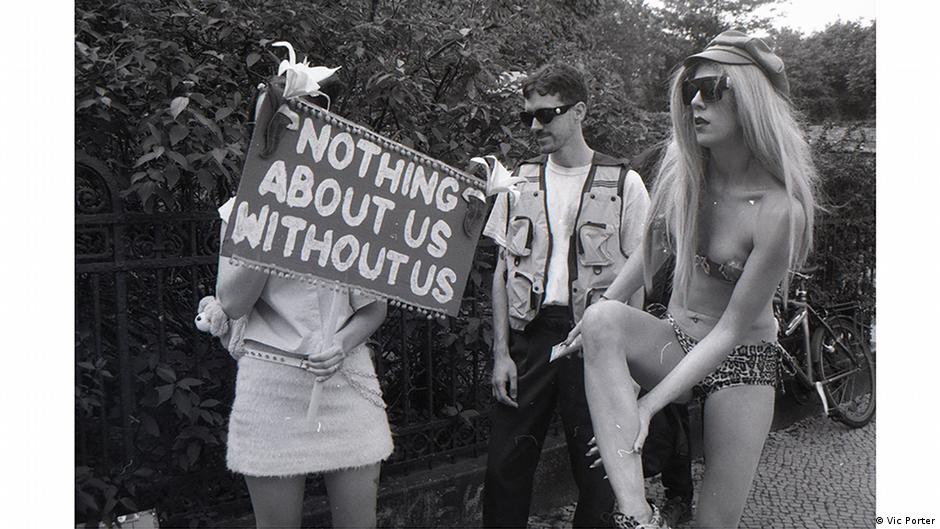
The “SEX WORK” exhibition at the Bundeskunsthalle seeks to dismantle the historical tendency of depicting sex work through an outside perspective. Instead, the curation is driven by a central, uncompromising principle: “Nichts über uns ohne uns!” (Nothing about us without us!).
By collaborating with a collective of researching sex workers, the exhibition blends art, cultural history, and archive materials to illustrate how the terminology used to describe sex work has historically shaped public stigma, government policy, and the lived experiences of those within the industry.
Centering the Voice of the Worker
For decades, the discourse surrounding sex work has been dominated by sociologists, lawmakers, and critics—rarely by the workers themselves. The “SEX WORK” exhibition disrupts this pattern by placing the agency of the workers at the forefront of the narrative. This approach is not merely a stylistic choice but a methodological shift intended to provide a more accurate reflection of the industry’s complexities.

According to the official Bonn event calendar, the exhibition utilizes a combination of art and archival data to tell a story that has previously been told “differently,” moving away from the detached analysis of the observer and toward the authenticity of the practitioner.
The Tension Between Visibility and Concealment
A recurring theme in the exhibition is the paradox of presence. One of the first pieces of art visitors encounter upon entering the temple-like, pink-hued entrance carries a poignant declaration: “We have always been everywhere – wir sind schon immer überall gewesen.” This statement underscores the idea that while sex work is a constant in human history, it is often rendered invisible or marginalized in official records.
Reporting from the Süddeutsche Zeitung notes that the exhibition manages a delicate balance between “concealment and exposure” and between “normality and skepticism.” This tension reflects the societal struggle to categorize sex work—simultaneously acknowledging it as a pervasive element of human existence while maintaining systemic barriers and social stigmas.
The visual narrative is further strengthened by contemporary documentation. The exhibition features photography by Vic Porter from 2019, which captures a sex worker demonstration, grounding the historical analysis in modern political struggle and the ongoing fight for recognition and rights.
Societal Implications of Terminology
The exhibition posits that the words chosen to describe sex work are not neutral; they are tools of power. Whether framed as a crime, a social ill, or a form of labor, the terminology influences how laws are written and how individuals are treated by the state and their communities.
By presenting archive material alongside artistic interpretations, the Bundeskunsthalle illustrates the trajectory of these definitions. The goal is to show how shifting the vocabulary from one of pathology or criminality to one of agency and labor can alter the policy landscape and reduce the stigma that often isolates workers from broader societal protections.
Key Exhibition Details
| Detail | Information |
|---|---|
| Location | Bundeskunsthalle, Bonn |
| Core Principle | “Nichts über uns ohne uns!” (Nothing about us without us!) |
| Collaborators | Collective of researching sex workers |
| Featured Media | Art, archive materials, and Vic Porter photography (2019) |
The exhibition serves as both a historical record and a contemporary critique, urging visitors to consider how their own perceptions are shaped by the language they have been taught to use. It frames sex work not as a fringe phenomenon, but as a mirror reflecting society’s deepest contradictions regarding desire, money, and human rights.
For those seeking deeper insight into the curation, a curator-led tour is scheduled for Wednesday, April 15, from 18:00 to 19:00, providing an opportunity to engage directly with the architects of this cultural history.
World Today Journal encourages readers to share their perspectives on the intersection of labor and societal stigma in the comments below.
Worth a look