
Luís Wittnich Carrisso (1886–1937) was a prominent Portuguese botanist and researcher who served as the director of the Botanical Institute of the University of Coimbra. His scientific legacy is defined by his extensive field studies in Angola and his contributions to the systematic classification of African flora. Carrisso died on June 14, 1937, while leading a scientific expedition in the Mossamedes desert of Angola, an event that marked a significant loss for the Portuguese scientific community at the time.
Early Life and Academic Career
Born on February 14, 1886, in Figueira da Foz, Portugal, Luís Wittnich Carrisso pursued his higher education at the University of Coimbra, an institution that would remain the center of his professional life. According to the University of Coimbra’s Botanical Garden archives, he graduated in Natural Sciences and quickly ascended the academic ranks. His focus on plant biology and taxonomy aligned with the university’s efforts to expand its herbarium and improve botanical knowledge of Portugal’s colonial territories.
Carrisso’s leadership at the Botanical Institute of the University of Coimbra was characterized by a modernization of the facility’s collections. He prioritized the rigorous organization of plant specimens, ensuring that the Coimbra Herbarium (COI) became a reference point for researchers studying the flora of the Lusophone world. His academic rigor influenced a generation of Portuguese botanists, emphasizing the importance of field-based verification over purely theoretical classification.
Botanical Expeditions in Angola
Carrisso is perhaps best known for his commitment to the “Botanical Mission of Angola.” Between 1927 and 1937, he led several expeditions to the territory, seeking to document the biological diversity of the region. These missions were not merely collection efforts; they were systematic surveys intended to provide a comprehensive catalog of the flora in areas that had been previously under-studied by European scientists.
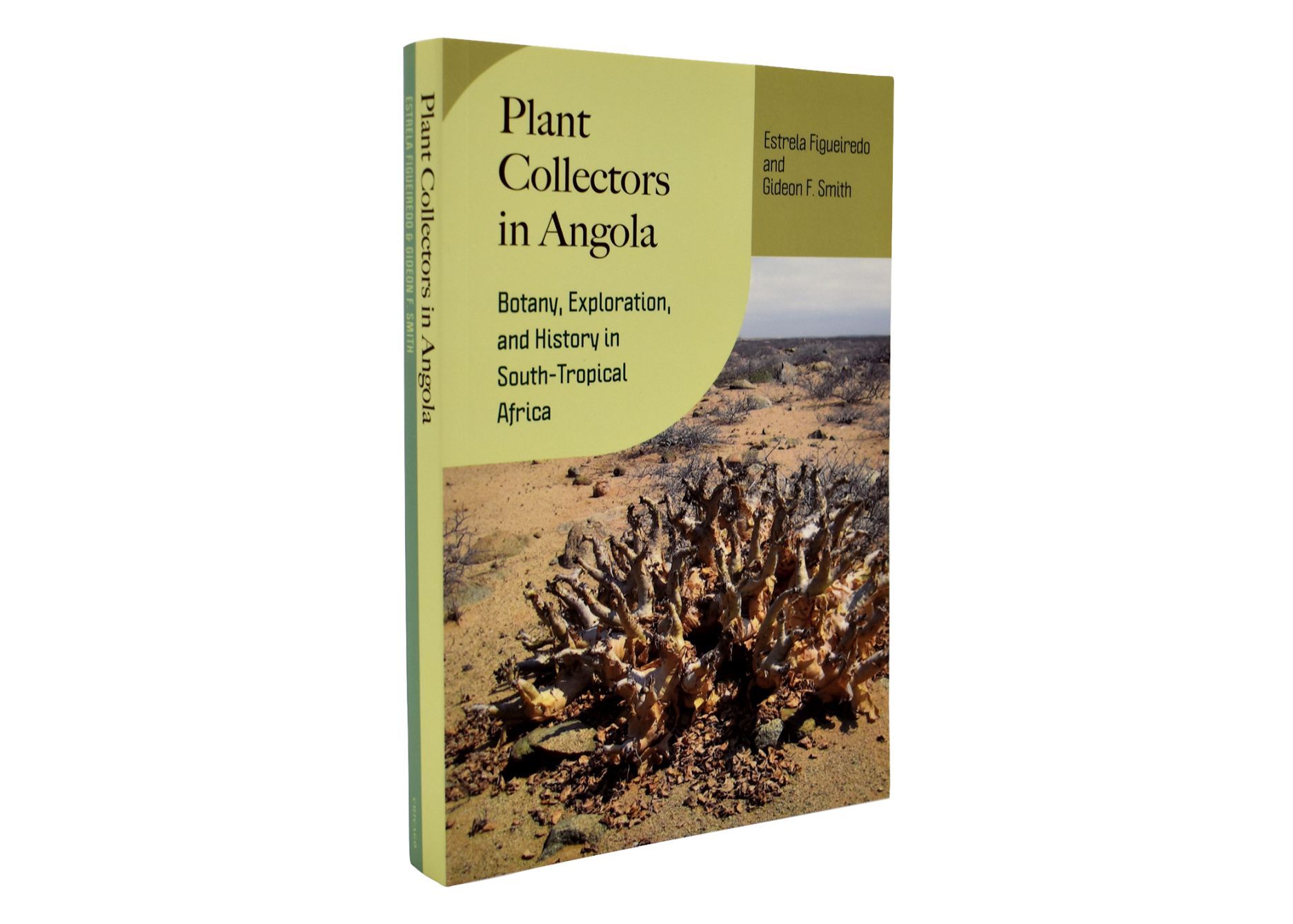
The Global Biodiversity Information Facility (GBIF) maintains records of the specimens collected during these expeditions, which include thousands of samples that are still utilized in modern phylogenetic research. Carrisso’s work in Angola provided critical data on the adaptation of plant species to arid environments, particularly in the southwestern regions of the country. His methodology involved careful documentation of the ecological context of every specimen, a practice that was considered advanced for the botanical field in the early 20th century.
The 1937 Expedition and Death
In 1937, during his final expedition to Angola, Carrisso traveled to the Mossamedes desert region, now known as Namibe. On June 14, 1937, he collapsed and died while in the field. Historical accounts from the Boletim da Sociedade Broteriana indicate that his death occurred due to heart failure, occurring suddenly during the strenuous conditions of the desert survey.

His death was a major event in the Portuguese scientific sphere, leading to an outpouring of academic tributes. The loss of a director of his caliber prompted the University of Coimbra to dedicate significant resources to cataloging the remaining specimens he had collected, ensuring that his unfinished work on the flora of Angola would be completed by his colleagues and students. His papers and preserved samples continue to be maintained at the University of Coimbra, serving as a foundational resource for current research on African plant diversity.
Legacy in Modern Botany
The scientific contributions of Luís Wittnich Carrisso remain relevant in contemporary taxonomy. Modern researchers often refer to the “Carrisso specimens” when conducting comparative studies of African plants, particularly those endemic to Angola. Because he meticulously documented the geographic coordinates and environmental conditions of his collections, his work has proven highly durable and useful for climate change impact studies, which often rely on historical botanical data to track shifts in species distribution.
The Botanical Garden of the University of Coimbra continues to honor his legacy through the preservation of the herbarium collections he helped curate. For those interested in the history of Portuguese science or the study of African flora, the University of Coimbra provides ongoing access to digitized records and historical archives of the botanical missions he led. Queries regarding specific historical specimens or research access can be directed to the university’s Botanical Garden and Herbarium administration.
As of 2024, the institution remains the primary custodian of the Carrisso collection. Researchers and historians looking for further updates on the digitisation of these archives should consult the official university research portal for periodic releases of new botanical data.
Keep reading