Diplomatic efforts to address nuclear proliferation in the Middle East have reached a critical phase, with reports indicating that a potential agreement between the United States and Iran could be finalized as early as Sunday. While officials have provided varying details regarding the scope of these discussions, the focus remains on long-standing international concerns regarding Iran’s nuclear program and the broader security architecture of the region.
The situation remains fluid as international observers monitor statements from various stakeholders. According to reports from major international news organizations including Reuters and the Associated Press, the potential for a diplomatic breakthrough is being evaluated against the backdrop of existing sanctions and regional tensions. The lack of an official, unified statement from the U.S. State Department or the Iranian Foreign Ministry as of June 14, 2026, underscores the sensitivity of the ongoing negotiations.
The Scope of Proposed Nuclear Negotiations
At the center of the current discourse is the question of nuclear enrichment limits and the mechanisms for international oversight. Historically, the International Atomic Energy Agency (IAEA) has served as the primary body for monitoring nuclear sites in Iran, ensuring compliance with the Treaty on the Non-Proliferation of Nuclear Weapons. Any new agreement would likely necessitate a formal framework for renewed inspections and, potentially, an adjustment to current economic restrictions.
Analysts note that previous attempts to solidify such agreements, such as the 2015 Joint Comprehensive Plan of Action (JCPOA), faced significant challenges regarding verification protocols. The current discussions are being analyzed for whether they represent a departure from previous frameworks or a continuation of established diplomatic channels involving regional intermediaries. As reported by the Council on Foreign Relations, the complexity of these negotiations often hinges on the balance between sanctions relief and verified transparency in nuclear research.
Regional Implications and Diplomatic Mediation
The role of international mediators remains a significant factor in the current timeline. Several nations, including those in the Gulf region and neutral parties such as Pakistan, have historically facilitated back-channel communications between Washington and Tehran to prevent regional escalation. The effectiveness of these efforts is frequently dictated by the geopolitical interests of surrounding states, which remain wary of shifts in the regional power balance.
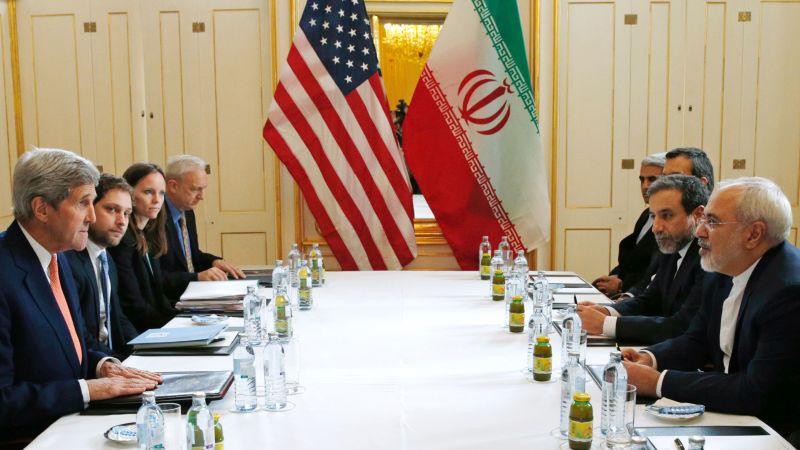
According to data from the Stockholm International Peace Research Institute (SIPRI), the stability of the Middle East is intrinsically linked to the intensity of nuclear competition. If a formal agreement is reached, it could influence military posture and trade relations across the Persian Gulf. However, observers caution that the implementation of any such accord would be subject to domestic political pressures in both the United States and Iran, which have often complicated past international commitments.
Assessing the Timeline for Implementation
The mention of a Sunday deadline has created a high-stakes environment for diplomatic staff and international observers. In international law, the transition from a preliminary agreement to a binding treaty typically requires a period of review, legal drafting, and, in many cases, parliamentary or congressional approval. The United Nations Security Council would also likely be involved if the agreement requires the lifting of internationally mandated sanctions.
As the weekend approaches, markets and diplomatic missions are maintaining a watch for official communiqués. Historically, the transition from preliminary talks to a signed accord involves multiple layers of verification. Until an official document is released by the relevant government ministries, the status of these negotiations remains categorized as active diplomatic efforts rather than a concluded treaty.
Next Steps for International Oversight
The next confirmed checkpoint for these developments involves the scheduled briefings by the IAEA and statements from the respective ministries of foreign affairs. Observers are advised to monitor official government portals for any updates regarding the location and signatories of a potential agreement. Public interest in these proceedings remains high, as the outcome will dictate the trajectory of non-proliferation policies for the remainder of the year.
We invite our readers to follow our ongoing coverage of these developments as more verified information becomes available. If you have insights or wish to participate in the conversation regarding the geopolitical impacts of these potential policies, please share your thoughts in the comments section below.
Worth a look