
The 1992 film Strictly Ballroom, the directorial debut of Baz Luhrmann, remains a landmark in Australian cinema, defined by its unique fusion of competitive dance culture and offbeat romantic storytelling. Born from the creative environment of the National Institute of Dramatic Art (NIDA) in Sydney, the project evolved from a stage production into an international success, famously winning the Prix de la Jeunesse at the 1992 Cannes Film Festival and earning widespread acclaim for its vibrant, stylized aesthetic.
The film’s origins are deeply rooted in the collaborative spirit of the Six Years Old theatre company, which Luhrmann co-founded. The narrative—centering on a rebellious ballroom dancer who defies the rigid conventions of the sport—drew direct inspiration from the experiences of Keith Bain, a movement instructor at NIDA. According to accounts of the production, Bain’s own history as a ballroom dancer who traveled to South America in the 1950s provided the catalyst for the film’s “shocking new steps” and the central focus on the paso doble. This influence ultimately shaped the character of Fran, whose immigrant background and signature flower-adorned style became iconic elements of the film’s visual language.
From NIDA Rehearsal Rooms to Global Screens
The transition from a small-scale stage play to a feature film required a precise balancing of creative vision and technical execution. Luhrmann, who graduated from NIDA two years after his collaborators, utilized the resources and artistic network fostered during his time at the institution to build the foundation of Strictly Ballroom. The production design, which famously features the distinct frangipani flower, emerged from the everyday reality of the creators; the flora was a common sight in Sydney, frequently gathered by cast members on their walk to rehearsals.

The film’s impact extended far beyond the local theatre circuit. Its success is often cited as a turning point for the Australian film industry in the early 1990s, proving that a modest, character-driven story could achieve significant box office success and critical recognition. The movie’s enduring legacy is frequently discussed in retrospectives regarding the “Red Curtain Trilogy,” which Luhrmann later solidified with Romeo + Juliet and Moulin Rouge!
The Cultural Legacy of Ballroom Dance
While the film is a work of fiction, its depiction of the high-stakes world of competitive ballroom dancing resonated with audiences who were previously unfamiliar with the technical nuances of the sport. By highlighting the paso doble, the film introduced a wider audience to the dramatic flair and intense discipline required of professional dancers. The narrative choice to emphasize Fran’s background served as a thematic anchor, grounding the flamboyant dance sequences in an authentic, relatable human struggle.
The film continues to be studied for its influence on modern dance cinema. Its success underscored the importance of movement-based storytelling, a technique that has since become a hallmark of Luhrmann’s directing career. For those interested in the history of Australian film, the National Film and Sound Archive of Australia maintains records on the production and cultural impact of the work, providing further insight into how the project navigated the transition from stage to screen.
Looking Toward Future Restorations
As of June 2026, Strictly Ballroom remains a staple in film studies curricula and is frequently highlighted in discussions regarding the evolution of independent cinema. While there are no new sequels or remakes currently announced, the film is regularly screened at retrospective events and international film festivals. Fans and researchers alike can track official updates through the National Film and Sound Archive of Australia, which preserves the original production materials and historical documentation of the film’s development.
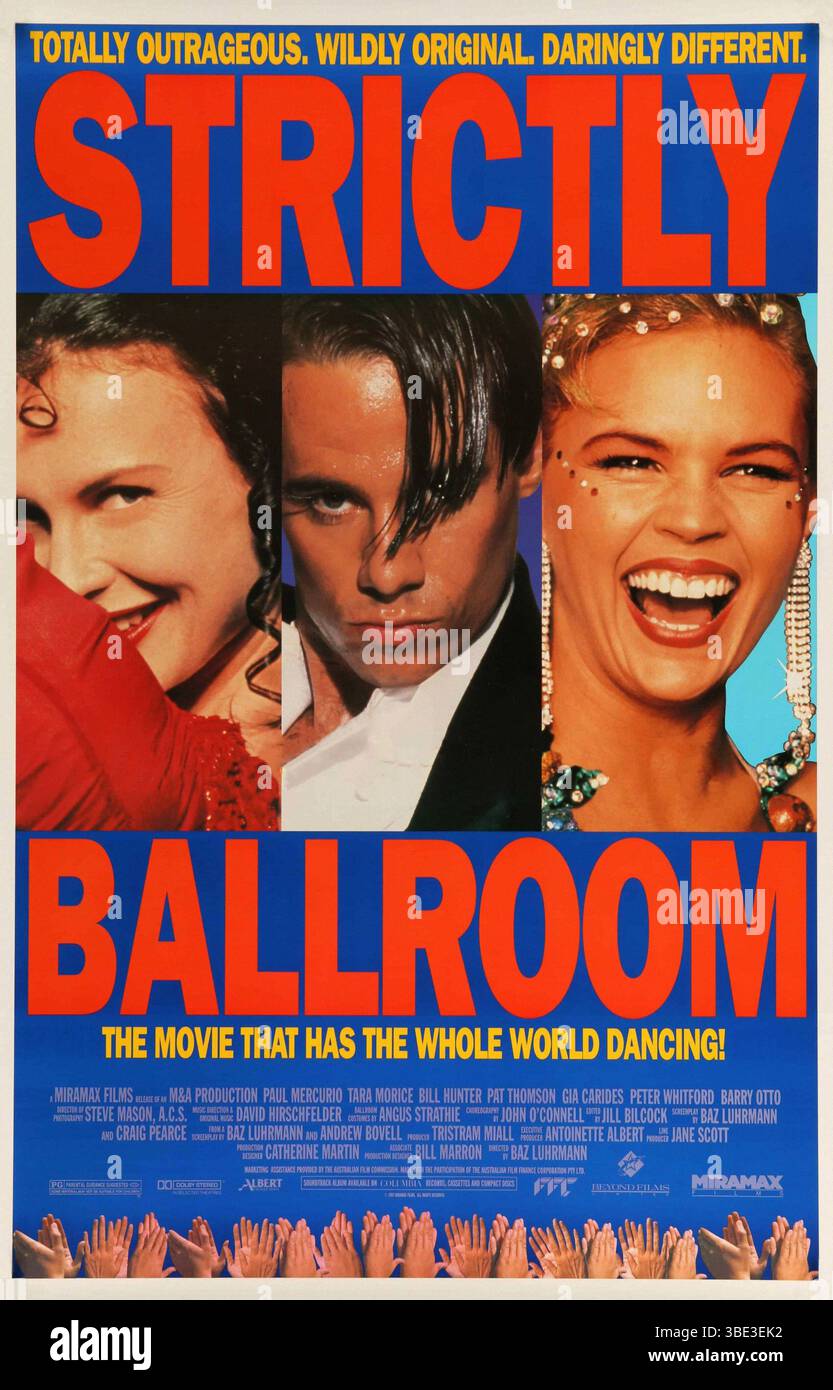
The story of how Strictly Ballroom was made serves as a testament to the power of collaborative artistic environments. From the halls of NIDA to the global stage, the film’s journey from a small production to a cultural phenomenon continues to inspire new generations of filmmakers. We invite our readers to share their memories of the film’s first release or its impact on their own appreciation for dance in the comments section below.
Worth a look