The Powerful World Within: Harnessing Your Microbiome for Better Health
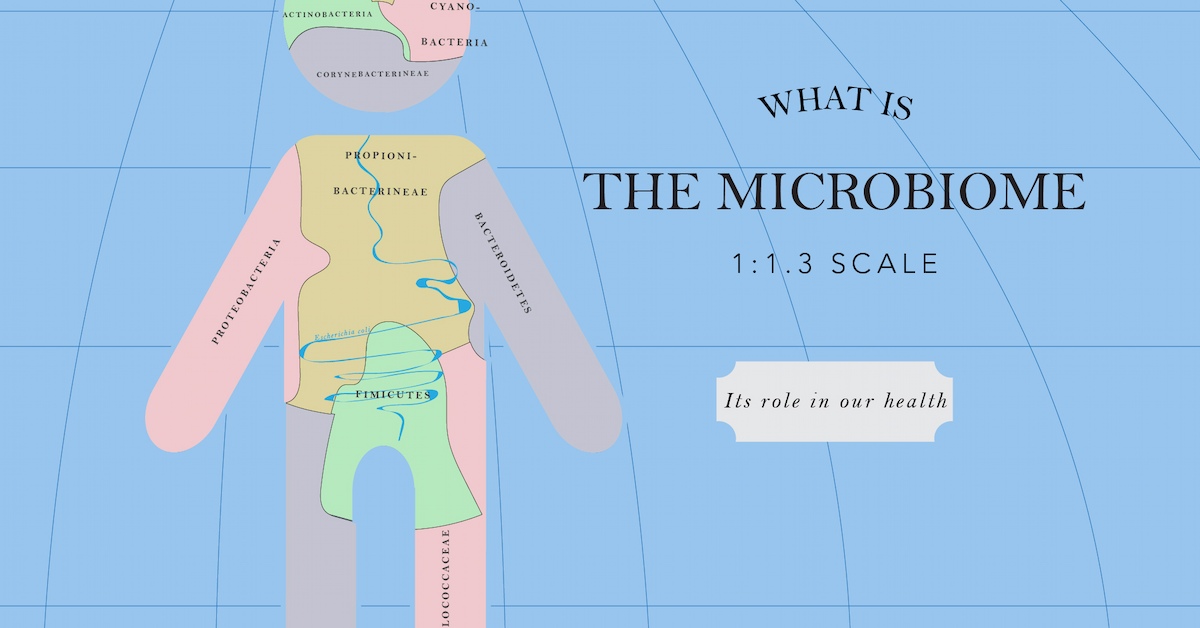
For years, we’ve focused on fighting germs. But what if our greatest allies weren’t external defenses, but the trillions of microorganisms living inside us? The human microbiome – the complex community of bacteria, fungi, viruses, and other microbes - is now recognized as a pivotal player in overall health, influencing everything from mental wellbeing to chronic disease.
We are only beginning to understand the unbelievable potential of this inner ecosystem. Exciting research suggests we may soon be able to tailor microbiome adjustments to improve mental health, manage weight, and even combat conditions like diabetes. Imagine a future where we can precisely modify the genetic makeup of specific bacteria to target and treat disease – a truly personalized approach to medicine.
A Shift in Infection Control: Working With Your Microbiome
Traditionally, infection prevention has been about eliminating microbes. Healthcare professionals diligently work to prevent both infections caused by outside sources and those stemming from a patient’s own microbiome. Washing hands, specialized cleaning, and careful wound care are all vital steps in maintaining a healthy balance.
Though, this approach is evolving. An imbalance in your microbiome can leave you vulnerable to opportunistic infections – those that exploit weaknesses in your body’s natural defenses.Recognizing this, the future of infection control may involve actively supporting a robust and diverse microbiome.Perhaps one day, healthcare teams will have the tools to harness the power of your own microbial community to fight off hospital-acquired infections. This represents a notable shift in thinking, moving from eradication to collaboration.
Here’s how your microbiome impacts health:
Mental Health: Gut bacteria influence brain function through the gut-brain axis,impacting mood,anxiety,and even cognitive function.
Weight Management: The microbiome plays a role in metabolism, nutrient absorption, and appetite regulation.
Diabetes Control: Specific microbial compositions can affect insulin sensitivity and glucose metabolism.
Immune Function: A healthy microbiome strengthens your immune system, helping you fight off pathogens.
Digestive Health: Microbes aid in digestion, nutrient absorption, and protect against gastrointestinal disorders.
Understanding and nurturing your microbiome is no longer a fringe concept. It’s a fundamental aspect of proactive health management. by focusing on strategies to cultivate a thriving inner ecosystem,you can unlock a powerful pathway to lasting wellbeing.
Note: This post has been updated to reflect the latest research and understanding of the human microbiome.*
- Giving Birth at 37 Weeks: Embracing God’s Will Over a Natural 40-Week Birth
- Genetic Risk Loci for Fibromyalgia Identified in Massive Multi-Ancestry GWAS Study
- Havenwood Heritage Heights Concord NH: Fitness Centers, Outdoor Activities, and Health Services for Seniors (news-usa.today)
- PCOS to PMOS: Why the Name Change Matters for Women’s Health (archynewsy.com)