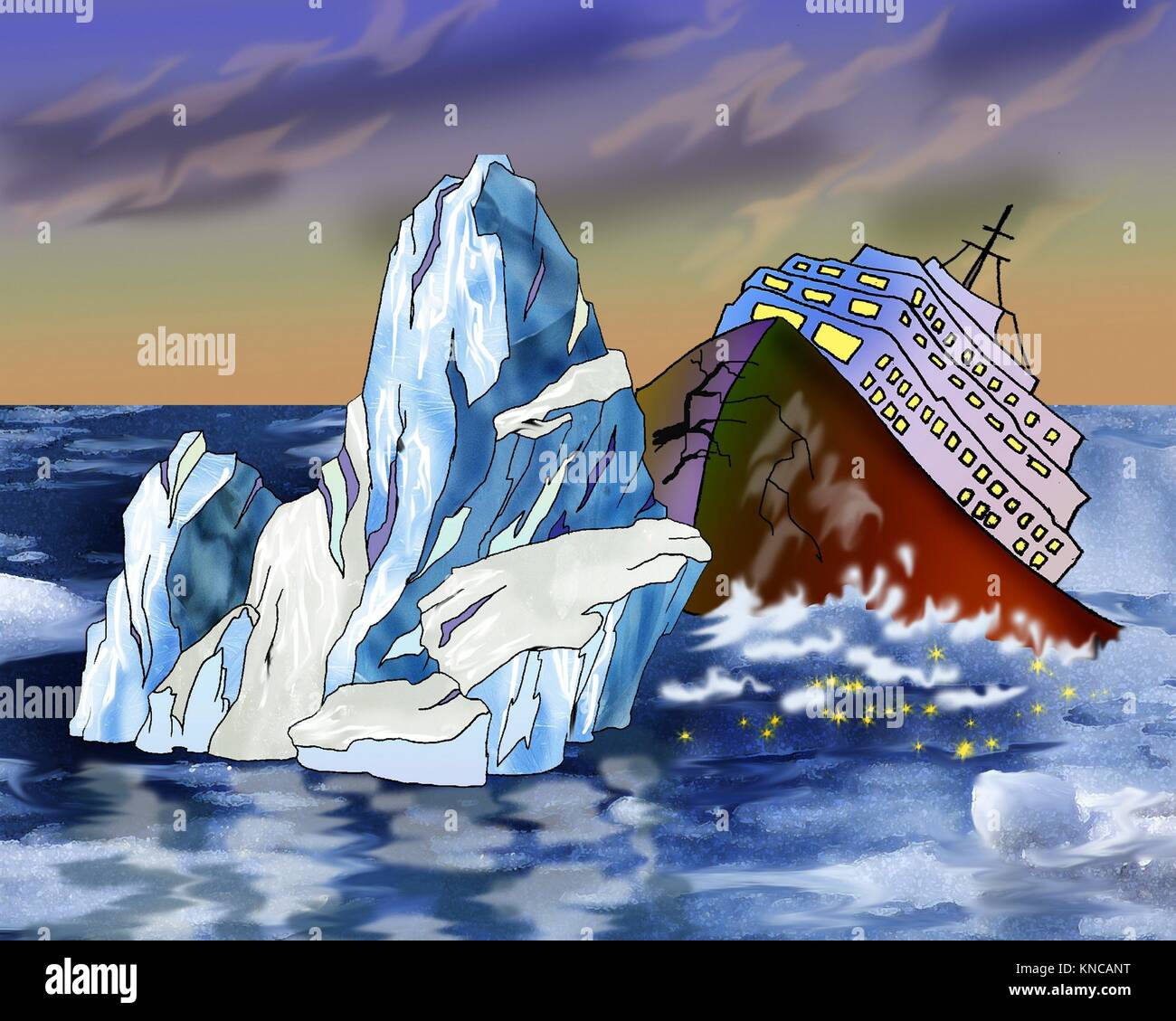
For generations, the medium of animation has served as a cornerstone of childhood entertainment. From the hand-drawn classics of the mid-20th century to the sophisticated digital storytelling of the modern era, cartoons are often perceived as safe, lighthearted fare designed for younger audiences. However, a growing cultural conversation—often fueled by viral video essays and online retrospectives—has begun to examine the lasting psychological impact of some of the most traumatizing scenes in animated films. These moments, ranging from sudden character losses to surreal, nightmare-inducing imagery, have left an indelible mark on viewers who encountered them during their formative years.
As an entertainment journalist, I have spent over 15 years observing how pop culture shapes our collective memory. It’s not uncommon for adults to vividly recall a specific, unsettling sequence from a film they saw at age six or seven. This phenomenon, often discussed in the comment sections of platforms like YouTube, highlights a disconnect between the intended audience of a film and the visceral reaction of a child. Understanding why these scenes resonate so deeply requires a look at both the history of animation and the developmental psychology of how children process intense, often dark, narrative themes.
The Evolution of Dark Themes in Animation
The history of animation is not purely a story of sunshine and happy endings. In fact, some of the most iconic studios in history have frequently leaned into darker, more mature themes. The “traumatizing” moments often cited by fans frequently originate from the mid-to-late 20th century, a time when the boundaries of what was considered “appropriate” for children were significantly more fluid than the strictly monitored MPAA rating system of today. For instance, the intensity of early Disney films or the surrealist horror found in non-Western animation often bypassed the filters that modern parents might expect.
Psychologists suggest that these scenes often strike a chord because they introduce concepts of mortality, abandonment, or existential dread in a medium that usually promises safety. When a character is placed in an inescapable, high-stakes situation, the emotional impact is amplified by the fact that the viewer—the child—is still learning to navigate the world’s complexities. These moments are not just “scary”. they are foundational experiences that force a child to confront the reality that their favorite fictional worlds are not immune to tragedy.
Why Digital Communities Obsess Over “Trauma”
The rise of the “iceberg” format in video essays—where content creators categorize topics from common knowledge to obscure, disturbing facts—has provided a space for fans to bond over shared childhood fears. These videos serve as a form of communal therapy. By identifying and labeling a scene as “traumatizing,” viewers are able to deconstruct their own reactions, turning a once-frightening memory into a piece of shared cultural trivia. This digital discourse is highly active, with comment sections serving as archives of personal experiences.
The appeal of this content lies in its validation. When a viewer discovers that thousands of other people were equally disturbed by a specific sequence—perhaps a transformation scene or a dark, atmospheric musical number—the fear is mitigated. The nature of social media platforms allows for the rapid spread of these shared memories, creating a collective “nostalgia for trauma” that defines much of modern internet culture. It is a fascinating study in how we process our past through the lens of modern, interconnected media.
Key Takeaways: Why These Scenes Stick
- Emotional Vulnerability: Children lack the cognitive distance to separate fantasy from reality when faced with high-stakes emotional scenarios.
- Visual Impact: Animation allows for exaggerated, surreal, and grotesque imagery that live-action films often avoid for budgetary or stylistic reasons.
- Communal Validation: Digital forums allow users to discuss these memories, converting individual fear into collective experience.
- Narrative Complexity: Many “traumatizing” scenes were actually intended to teach children about empathy, loss, and the nature of evil, even if the execution was intense.
The Role of Content Regulation
the industry has evolved. Organizations like the Classification and Rating Administration (CARA) provide parents with tools to gauge the intensity of a film before viewing. These systems were designed in response to public demand for transparency, ensuring that parents can navigate the line between “child-friendly” and “emotionally challenging.” However, as streaming platforms continue to host vast libraries of legacy content, the responsibility increasingly falls on the viewer to understand the context of what they are consuming.
What happens next in the world of animation? As studios continue to push boundaries, we are seeing a shift toward more nuanced storytelling that prepares children for difficult topics rather than shielding them entirely. The conversation surrounding “traumatizing” animation is not merely about fear; it is about how we define the boundaries of childhood and how we, as adults, look back at the art that helped shape our emotional intelligence.
How do you remember your own experiences with these films? Did a specific scene leave you shaken, or did it help you process a complex emotion for the first time? The conversation is ongoing, and as we look forward to future releases and the continued preservation of animation history, your perspectives remain a vital part of the story. Feel free to share your thoughts and join the discussion below as we continue to explore the intersection of memory, media, and the enduring power of animation.