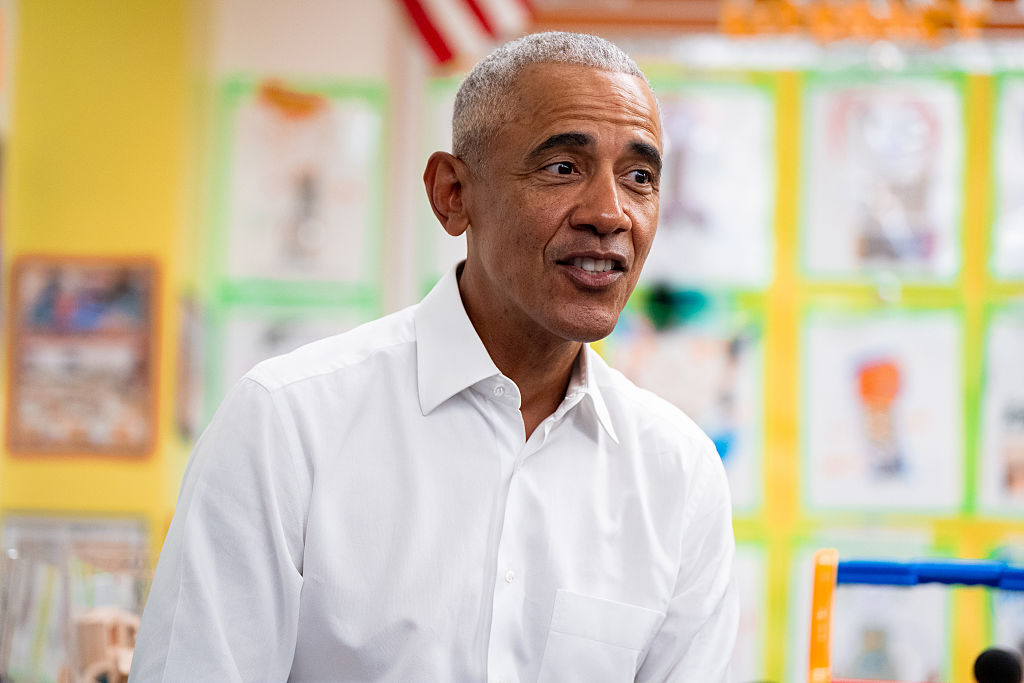
The “Return of Obama” is no longer a matter of political speculation; it is a physical reality taking shape on the South Side of Chicago. As Former President Barack Obama prepares to open his massive presidential campus this summer, the event marks more than just the unveiling of a legacy project. It represents a potential tipping point in how American leaders curate their history for the public.
With a price tag reaching $850 million, the Obama Presidential Center is a sprawling 19-acre complex that blends the traditional goals of a presidential library with the amenities of a modern community hub. From a conference center and a vegetable garden to an NBA-regulation basketball court, the campus is designed to be a ubiquitous presence in the public eye, mirroring the “hope and change” energy of the 2008 campaign.
However, for those observing the post-presidency footprints of his successors, the Obama center may be the last of its kind. While it remains the most expensive project of its nature, it still adheres to a recognizable mold of legacy-building—a mold that is currently being dismantled by the divergent ambitions of Donald Trump and the fundraising struggles of Joe Biden.
The Obama Presidential Center: A High-Budget Tradition
The scale of the Obama project is immense, though allies note it is not the largest in history; for comparison, George W. Bush’s $250 million complex in Dallas covers 23 acres. What distinguishes the Obama center is its approach to the historical record. Unlike previous iterations, the center does not plan to house paper archives on-site. Instead, the collection will be digitized, allowing scholars to access documents from anywhere, while the physical records remain in the warehouses of the national archives.

This shift reflects a broader transition from the library as a research sanctuary to the library as a community engine. To highlight this, the City of Chicago is constructing a new branch of the local public library on the site to serve the neighborhood. The project’s promotional strategy has also evolved, leaning into social media and pop culture. In a recent promotional video released for “Star Wars Day,” Obama appeared alongside actor Mark Hamill, framing the campus as a place for the next generation to “become a Force—for change.”
The public will get its first look at the facility on June 19, with tickets priced at $30. The demand has already proven significant, with the initial sales window sold out through late July.
Divergent Legacies: The Miami Skyscraper and the Delaware Sapling
The “normalcy” of the Obama center becomes apparent when contrasted with the plans of Donald Trump. Rather than a research-focused hub, Trump is promoting a skyscraper in Miami to house his post-White House presence. This project, which could top $1 billion in cost, is envisioned more as a glitzy gathering spot than a scholarly archive. Trump has explicitly stated his lack of belief in traditional libraries or museums, suggesting his project will likely be a hotel featuring a decommissioned 747 Air Force One in the lobby.
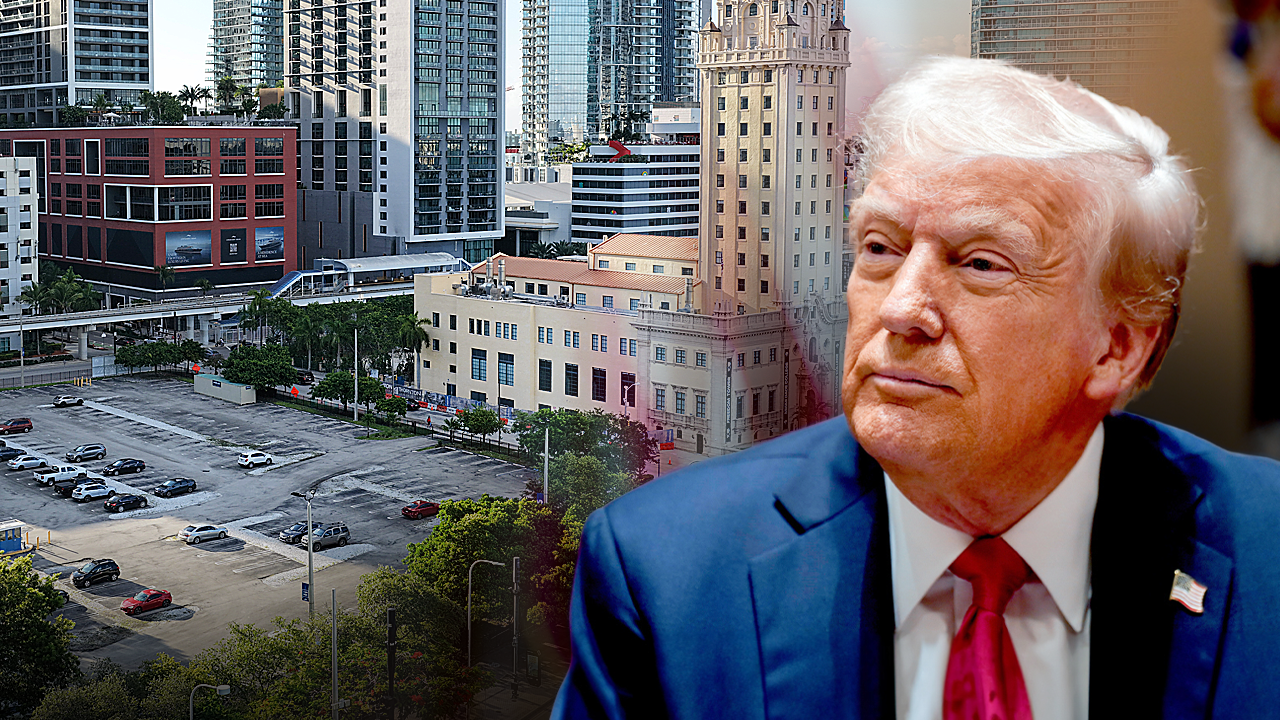
Fundraising for the Trump project has been aggressive, with reports that Meta and ABC News provided a combined $40 million to settle complaints of unfairness, funds which, after legal fees, are intended to seed these architectural ambitions. This commercialized approach to the post-presidency suggests a future where the “library” is simply an extension of a corporate brand.
At the other end of the spectrum is Joe Biden, whose post-presidency project in Delaware remains in its infancy. Fundraising has been notably gradual; while advisers aimed for $200 million, the project ended last year with only $4 million, sourced from a 2020 Inauguration fund surplus. With a target of $11 million by the end of next year, there is growing speculation in Washington that Biden may forgo a standalone complex in favor of a project at the University of Delaware, potentially centered around a classroom project already named Biden Hall.
The Mechanics of Memory: How Presidential Libraries Actually Work
To understand why these projects vary so wildly, one must understand the legal split between the historical record and the public monument. Every president since Herbert Hoover has had a government-funded library to protect their archives, but the “museum” aspect—the exhibits, the replicas of the Oval Office, and the gift shops—is a private enterprise.
Under the Presidential Records Act, all official government material remains the property of the U.S. Government when a president leaves office. The National Archives and Records Administration (NARA) takes control of these papers and official records, regulating the record and deciding what is displayed. While NARA may assist with maintenance and research staff, the “shiny monuments” are funded privately.
This creates a unique tension where professional archivists must co-exist with the partisan allies of the former president. This often leads to what critics call “mythmaking.” For example, the Bill Clinton library has been noted for its partisan framing of the Kenneth Starr investigation, while the George W. Bush library has been criticized for the minimal space dedicated to the 2008 financial crisis and Hurricane Katrina.
From FDR’s Vision to the Modern ‘Sales Pitch’
The modern presidential library system was pioneered by Franklin Delano Roosevelt, who established 13 libraries across the nation. In 1941, at the dedication of his Hyde Park library, FDR envisioned these spaces as places where a nation could “learn from the past” to “gain in judgement for the creation of the future.”

Today, that vision is often eclipsed by the need for massive private fundraising. Anthony Clark, a former Hill aide and author of The Last Campaign, argues that these centers are less about education and more about a “sales pitch,” allowing presidents and their supporters to write their own history and control their legacy for decades to come.
As we move into an era of digitized records and commercialized legacies, the Obama Presidential Center stands as a bridge. It maintains the tradition of a dedicated, non-commercial campus, yet it embraces the digital future and the community-center model. Whether future presidents will return to this model, or if the Miami skyscraper represents the new standard, remains to be seen.
Key Takeaways: The Evolution of the Presidential Library
- Public vs. Private: Official records are managed by the National Archives and Records Administration (NARA) via the Presidential Records Act, but the museums and visitor centers are privately funded.
- The Obama Model: A $850 million, 19-acre “Presidential Center” in Chicago focusing on digitization and community engagement rather than on-site paper archives.
- The Trump Model: A shift toward commercial real estate, with a proposed Miami skyscraper and hotel rather than a traditional museum.
- The Biden Model: A more modest approach in Delaware, hampered by slower fundraising and potential integration with existing university facilities.
The next major milestone for the tradition of the presidential library will be the official public opening of the Obama Presidential Center on June 19, which will serve as a litmus test for the viability of the high-budget, campus-style legacy project in the modern era.
Do you believe presidential libraries should remain traditional research hubs, or is the shift toward community centers and commercial spaces inevitable? Share your thoughts in the comments below.