Reports have emerged indicating a temporary cessation of hostilities between Russian and Ukrainian forces as both nations approach the commemorations of Victory Day. This potential Victory Day ceasefire, if fully implemented, would mark a significant, albeit brief, pause in the combat operations that have defined the region for years.
The move comes amid a complex landscape of diplomatic signals and heightened tensions. While the operational reality on the ground remains volatile, the prospect of a halt in fighting during the early May period suggests a momentary alignment of interests, primarily centered around the symbolic weight of the May 9 anniversary.
For the populations living within the designated areas of the “special military operation”—the term used by the Kremlin to describe its military intervention—any reduction in kinetic activity provides a critical, if precarious, window for humanitarian relief and the potential movement of civilians away from active frontlines.
A Fragile Pause in Hostilities
The reported ceasefire measures are expected to focus on a complete stop of combat operations within the conflict zones. Such an agreement, even if limited in scope and duration, represents a departure from the sustained intensity of the fighting seen in recent months. In international diplomacy, these short-term “tactical pauses” are often used to test the waters for broader negotiations or to fulfill specific symbolic requirements.
However, the stability of such a ceasefire is rarely guaranteed. History in the region shows that local commanders and frontline units may not always adhere to directives from central authorities, and “incidents” can quickly escalate back into full-scale engagements. The effectiveness of this pause will depend heavily on the communication channels currently open between the two military commands.
Observers of the conflict note that the timing is carefully calibrated. By aligning the ceasefire with the Victory Day commemorations, both sides can frame the pause not as a strategic concession, but as a gesture of respect for the historical significance of the end of World War II in Europe.
The Symbolic Weight of May 9
Victory Day, celebrated on May 9, is one of the most important dates on the Russian calendar, commemorating the surrender of Nazi Germany in 1945. For Moscow, the day is a cornerstone of national identity and a powerful tool for internal mobilization. The annual military parades and public commemorations serve to link current military actions to the historical struggle against fascism.
For Ukraine, the perception of May 9 has shifted dramatically since the escalation of the conflict. While the history of the struggle against Nazi Germany remains relevant, the day is now viewed through the lens of current sovereignty and resistance. A ceasefire during this period allows Kyiv to manage its own commemorations without the immediate pressure of an intensified offensive, while potentially signaling a willingness to engage in diplomatic channels if the conditions are right.
The geopolitical implications of a ceasefire during such a high-profile anniversary are substantial. It provides a brief window for international mediators to assess whether the current stalemate can be transitioned into a formal peace process. The Reuters coverage of the region has frequently highlighted how symbolic dates often serve as catalysts for shifts in military and diplomatic posture.
Strategic Implications and Humanitarian Hopes
Beyond the symbolism, the primary beneficiary of any cessation of hostilities is the civilian population. The “special military operation” zones have seen extensive infrastructure damage and the displacement of millions. A temporary halt in shelling and missile strikes allows for:
- Humanitarian Corridors: The potential for safer passage of food, medicine, and emergency services into besieged or isolated areas.
- Civilian Evacuation: A window for non-combatants to move further from the zero-line of contact.
- Infrastructure Repair: A brief opportunity for technicians to repair critical water and power grids without the immediate threat of aerial bombardment.
From a military perspective, a ceasefire allows both sides to rotate exhausted troops, replenish ammunition stocks, and conduct internal assessments of their positions. While the Kremlin may view this as a period of consolidation, Ukrainian forces may use the pause to reinforce defensive lines and integrate new equipment provided by international partners.
The Associated Press has consistently reported on the precarious nature of humanitarian pauses in this conflict, noting that they are often fragile and subject to sudden collapse. The success of the May 2026 measures will likely be judged by whether they result in a measurable decrease in civilian casualties during the commemorative window.
What Happens Next
The international community remains cautious, viewing these reports as a signal of current tensions rather than a definitive path toward peace. The primary focus now shifts to the actual implementation of the ceasefire on the ground. Military analysts will be monitoring satellite imagery and frontline reports to determine if the “complete stop of combat operations” is being honored in practice or if it serves as a cover for strategic repositioning.
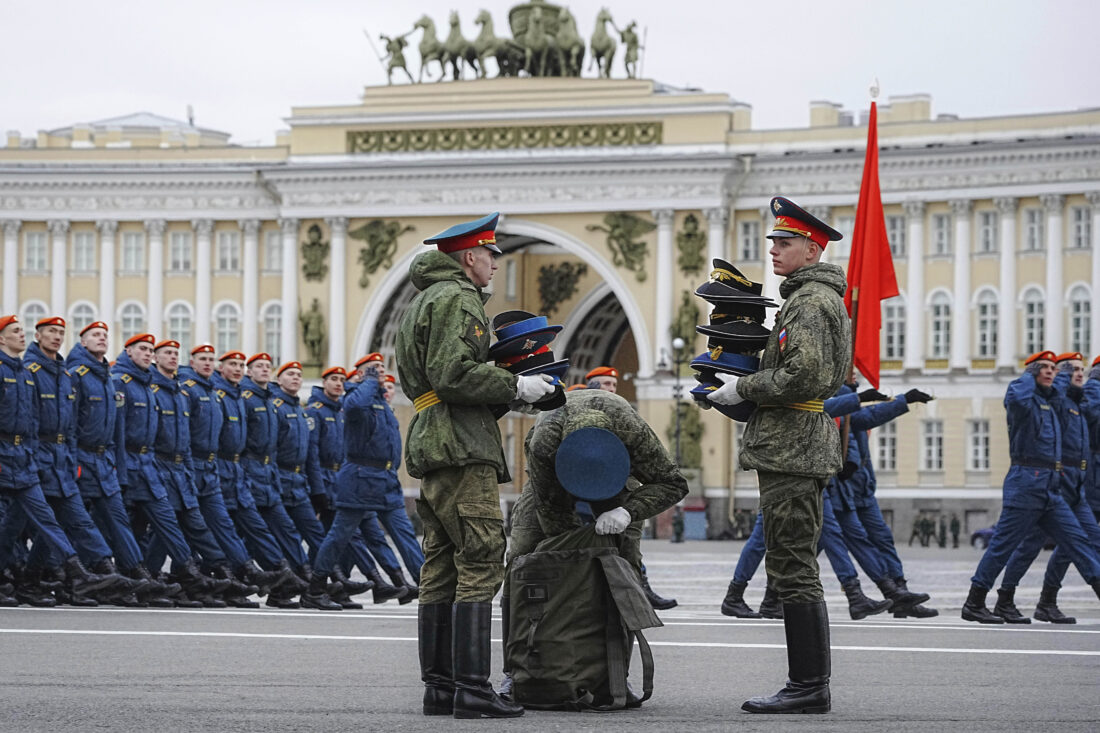
The next critical checkpoint will be the official Victory Day celebrations on May 9. The rhetoric used during the official addresses in Moscow and Kyiv, combined with the actual level of violence reported on the frontlines during the festivities, will provide a clear indication of whether this pause was a genuine diplomatic gesture or a temporary tactical convenience.
We will continue to monitor the situation as the commemorations approach. We invite our readers to share their perspectives on the potential for diplomatic breakthroughs in the comments section below.