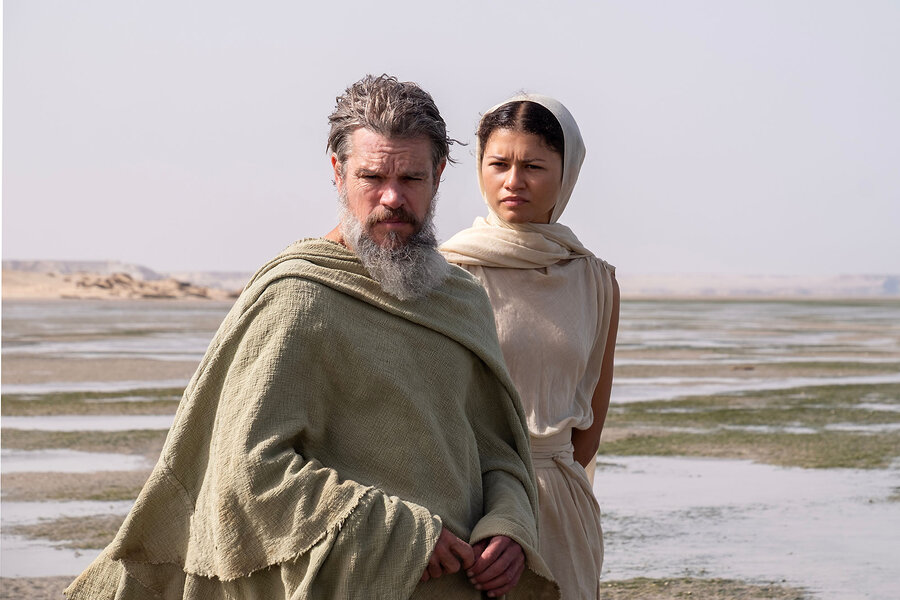
Homer’s epic poem The Odyssey is returning to cinema screens this summer, marking a significant adaptation of the ancient Greek narrative for contemporary audiences. Producers and studio heads are positioning the project as a centerpiece of the summer blockbuster season, leveraging the enduring cultural legacy of Odysseus’s decade-long journey home to Ithaca to anchor a high-budget theatrical release.
The decision to bring the foundational text of Western literature to a modern, large-format screen follows a trend of studios investing in established IP to draw audiences back to theaters. According to data tracked by the Box Office Mojo database, summer release windows remain the most competitive period for major studio tentpoles, often dictating the financial trajectory of the year’s film slate. While the mythological narrative has been adapted numerous times in television and film history, this production aims to utilize current advances in visual effects to capture the scale of the Mediterranean landscape and the supernatural challenges faced by the protagonist.
Production and Narrative Scope
The production of The Odyssey involves a complex logistical effort to recreate the geography of the ancient world. Filmmakers have reportedly focused on balancing the internal, character-driven struggle of Odysseus with the external spectacle required for a modern summer film. Historical context remains vital, as the original poem by Homer—composed, according to most scholars, in the 8th century BCE—remains a staple of global education and literary studies, as noted by the Encyclopaedia Britannica.

For the film to succeed in a saturated market, creators are relying on a narrative structure that emphasizes the “expansive” nature of the journey. This includes the depiction of iconic encounters with mythical entities, such as the Cyclops Polyphemus and the sorceress Circe. By utilizing large-scale cinematography, the production seeks to translate the poem’s Homeric scale into a visual language that justifies a theatrical experience rather than a home-streaming release.
The Summer Blockbuster Landscape
The release of The Odyssey during the summer months places it in direct competition with high-budget franchise films. Historically, the summer season—defined by the Motion Picture Association as the period spanning early May through Labor Day—accounts for a substantial portion of annual box office revenue. Studios view this window as a critical period for reaching the widest possible demographic, particularly as schools break for the summer and leisure time increases.
Financial analysts monitoring the film industry note that adapting classical literature presents unique challenges. Unlike serialized superhero franchises, The Odyssey is a standalone narrative with a fixed conclusion. To mitigate the risk of a one-off feature, the production has focused on the universality of the themes—grief, homecoming, and the struggle against nature—which have allowed the source material to persist for over two millennia. The success of the film will likely be measured by its ability to bridge the gap between academic interest in classical antiquity and the demands of modern commercial cinema.
Historical Significance and Audience Reach
Homer’s influence on storytelling is a central pillar of the film’s marketing. By framing the project as an “expansive tale” for an “expansive screen,” the studio is appealing to viewers who prioritize high-production value and epic scope. The Library of Congress maintains extensive archives documenting the various ways the Homeric epics have been translated and adapted, highlighting how each generation reimagines the hero’s journey to fit contemporary anxieties and technological capabilities.

The film’s impact on global audiences is expected to be significant, given the widespread presence of the story in curricula worldwide. As the film nears its release date, industry observers are tracking pre-sale ticket data and promotional metrics to determine if the “summer blockbuster” label holds the same weight in a post-pandemic, streaming-heavy environment. The final confirmation of the film’s performance will be determined by its opening weekend results, which are traditionally reported by tracking services like The Numbers.
The next major update for the project will occur during the official press junkets and the subsequent release of early critical reviews, which typically precede the wide theatrical opening. Readers interested in the latest developments, including official trailers and cast interviews, are encouraged to follow the studio’s verified news feeds and official production portals. Please share your thoughts on the adaptation of classical works in the comments below.
Related reading