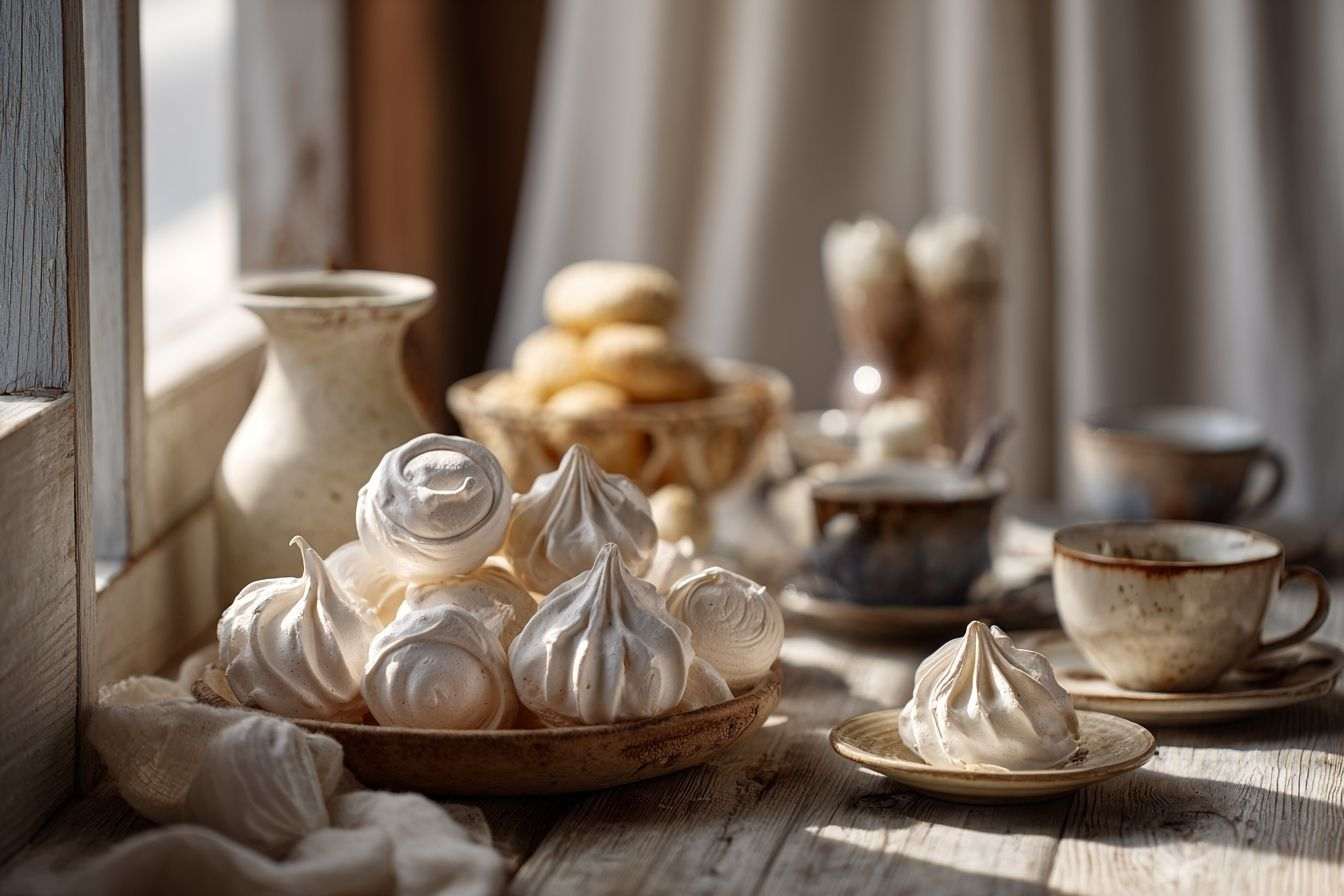
For many home bakers and health-conscious food enthusiasts, the pursuit of the perfect sugar-free meringue often ends in a culinary collapse. The challenge is structural: sugar does not merely provide sweetness; it acts as a stabilizer that binds the protein network of whipped egg whites, preventing the air bubbles from popping and the dessert from deflating. Without it, achieving that signature crisp exterior and airy interior becomes a significant scientific hurdle.
However, a specific technique used by professional pastry chefs is gaining traction among those seeking to reduce sugar intake. The key to maintaining stability in sugar-free or low-sugar meringues lies in the apply of an often-overlooked stabilizer: cream of tartar. When combined with the practice of using aged egg whites, this combination allows the protein structure to hold its shape even when the heavy structural support of granulated sugar is absent.
As a physician and health editor, I find this intersection of chemistry and nutrition particularly compelling. Reducing refined sugar is a cornerstone of managing metabolic health, but the psychological satisfaction of a “treat” is equally important for long-term dietary adherence. By leveraging the science of protein stabilization, we can bridge the gap between health requirements and gastronomic pleasure.
The shift toward sugar-free alternatives is not merely a trend but a response to the increasing prevalence of insulin resistance and type 2 diabetes globally. When we remove sugar from a meringue, we are essentially removing the “glue” that keeps the egg white foam stable. To replace this, we must look toward acid-based stabilizers and the physical properties of the proteins themselves.
The Science of Stability: Why Sugar-Free Meringues Fail
To understand the “secret” ingredient, one must first understand the failure. In a traditional meringue, sugar dissolves into the water phase of the egg whites, creating a thick, viscous syrup. This syrup coats the air bubbles, slowing down the process of drainage and preventing the bubbles from coalescing. This represents why traditional meringues can be whipped to stiff peaks and baked for hours without losing their volume.
In a sugar-free version, the air bubbles are fragile. As soon as the heat of the oven hits them, or even as they sit on the baking tray, the water evaporates and the bubbles burst, leading to a flat, dense result. This is where the “forgotten” ingredient—cream of tartar—comes into play.
Cream of tartar is a byproduct of the winemaking process, known chemically as potassium bitartrate. It is an acid. When added to egg whites, it lowers the pH, which helps the proteins unfold and bond more effectively. This creates a more flexible and stable network of proteins that can trap air more efficiently, mimicking some of the structural benefits provided by sugar.
The Role of “Aged” Egg Whites
Beyond the additives, professional pastry chefs often employ a technique known as “aging” egg whites. This involves separating the whites from the yolks and letting them sit in the refrigerator in a sealed container for 24 to 48 hours before whipping. Whereas this may seem counterintuitive from a freshness perspective, it is a strategic move for texture.
Aging allows some of the water in the egg whites to evaporate and the proteins to relax. This results in a foam that is easier to whip and, crucially, more stable during the baking process. For those attempting sugar-free meringues, using aged whites provides a stronger foundation, making the addition of a stabilizer like cream of tartar even more effective.
Practical Implementation for the Home Baker
Transitioning to a sugar-free meringue requires more than just swapping ingredients; it requires a change in technique. Because the structure is more precarious, the whipping process must be handled with precision.
First, ensure that the bowl and whisk are completely free of grease or oil. Even a microscopic trace of fat can prevent egg whites from foaming, as the fat interferes with the protein bonds. A common professional tip is to wipe the equipment with a small amount of lemon juice or white vinegar before beginning.
Second, the introduction of the stabilizer should happen early. A small pinch of cream of tartar should be added at the beginning of the whipping process, even before the whites reach soft peaks. This ensures the acid is fully integrated into the protein network as it forms.
Finally, the choice of sweetener is critical. While the “secret” ingredient provides the structure, a sugar substitute is needed for flavor. Powdered erythritol or xylitol are often preferred because they dissolve more readily and provide a sweetness profile closer to sucrose. However, these should be folded in gently at the end to avoid deflating the air bubbles that the cream of tartar has worked so hard to stabilize.
Health Implications: Why This Shift Matters
From a clinical perspective, the ability to enjoy a dessert like meringue without a massive glucose spike is a victory for public health. Refined sugars are linked to systemic inflammation and metabolic dysfunction. By replacing them with stabilizers and low-glycemic alternatives, we reduce the glycemic load of the dessert.
For individuals managing diabetes, the traditional meringue is often off-limits due to its extremely high sugar-to-protein ratio. The use of potassium bitartrate (cream of tartar) as a structural substitute allows these individuals to participate in the social and sensory experience of eating a dessert without compromising their blood glucose levels.
It is also worth noting the rise of vegan alternatives, such as aquafaba—the liquid from cooked chickpeas. Aquafaba contains proteins and saponins that mimic egg whites. Interestingly, the same “secret” of acidity applies here; adding a pinch of cream of tartar or a drop of lemon juice to aquafaba is essential for achieving the stiff peaks required for a vegan, sugar-free meringue.
Comparison of Stabilizers in Sugar-Free Baking
| Ingredient | Mechanism | Best Use Case |
|---|---|---|
| Cream of Tartar | Lowers pH to strengthen protein bonds | Classic egg-white meringues |
| Lemon Juice | Acidic stabilization (similar to tartar) | Quick alternatives/Vegan aquafaba |
| Xanthan Gum | Increases viscosity of the liquid | Ultra-low sugar or gluten-free bases |
| Aged Whites | Protein relaxation and water reduction | Professional-grade volume and stability |
Expert Tips for Success
To ensure your sugar-free meringues do not collapse, consider these additional professional guidelines:
- Temperature Control: Always bring your aged egg whites to room temperature before whipping. Cold proteins are more rigid and do not trap air as effectively as room-temperature proteins.
- Low and Slow: Bake your meringues at a lower temperature (around 90°C to 100°C) for a longer period. High heat can cause the fragile sugar-free structure to expand too quickly and then collapse.
- Immediate Baking: Once the meringues are piped onto the tray, put them in the oven immediately. The longer they sit at room temperature, the more likely the air bubbles are to coalesce and leak.
By combining the chemical stability of cream of tartar with the physical preparation of aged egg whites, the “impossible” sugar-free meringue becomes a repeatable success. This approach transforms a frustrating kitchen experiment into a sophisticated tool for healthier living.
As we continue to observe advancements in food science and a deeper understanding of metabolic health, the ability to replicate classic textures without harmful additives will only improve. For now, the secret remains in the simple, acidic power of a forgotten pantry staple.
The next phase of innovation in this area is likely to involve new plant-based protein isolates that can mimic the structural integrity of egg whites without the need for any additives. Until then, the combination of acidity and protein aging remains the gold standard for the health-conscious pâtissier.
Do you have a secret ingredient that has transformed your healthy baking? Share your experiences and questions in the comments below to help our community refine the art of wellness-focused cooking.