The Enduring Legacy of Guano: From Ancient Empires to Modern Agriculture
Published: 2026/02/14 21:50:57
For millennia,a seemingly unremarkable substance – bird guano,or seabird excrement – has played a surprisingly pivotal role in shaping civilizations and influencing agricultural practices. From fueling the rise of pre-Incan kingdoms in Peru to impacting global trade in the 19th century, and even finding a niche in modern organic farming, guano’s story is a fascinating intersection of history, ecology, and economics.
The Rise and Fall of Guano Empires
Recent archaeological research, detailed in a study published in PLOS One, reveals that the Chincha culture of ancient Peru thrived, in part, due to the strategic use of guano as a fertilizer. Between approximately 1000 and 1400 AD, the Chincha people developed a elegant understanding of guano’s properties, utilizing it to dramatically increase crop yields, especially of maize. This agricultural surplus underpinned their economic power, trade networks, and ultimately, their influence in the region.
“the analysis of maize samples from Chincha burial sites showed exceptionally high nitrogen levels, far exceeding what would be expected from natural soil conditions,” explains jacob Bongers, lead author of the study and researcher at the University of Sydney.“This strongly suggests the purposeful and widespread use of guano as a fertilizer.”
The chincha sourced their guano from nearby islands, a practice that required maritime expertise and logistical association. This control over a valuable resource likely contributed to their political and economic dominance. The importance of guano continued into the Incan period, wiht the resource becoming a key element in diplomatic relations and trade.
The 19th-Century Guano Boom
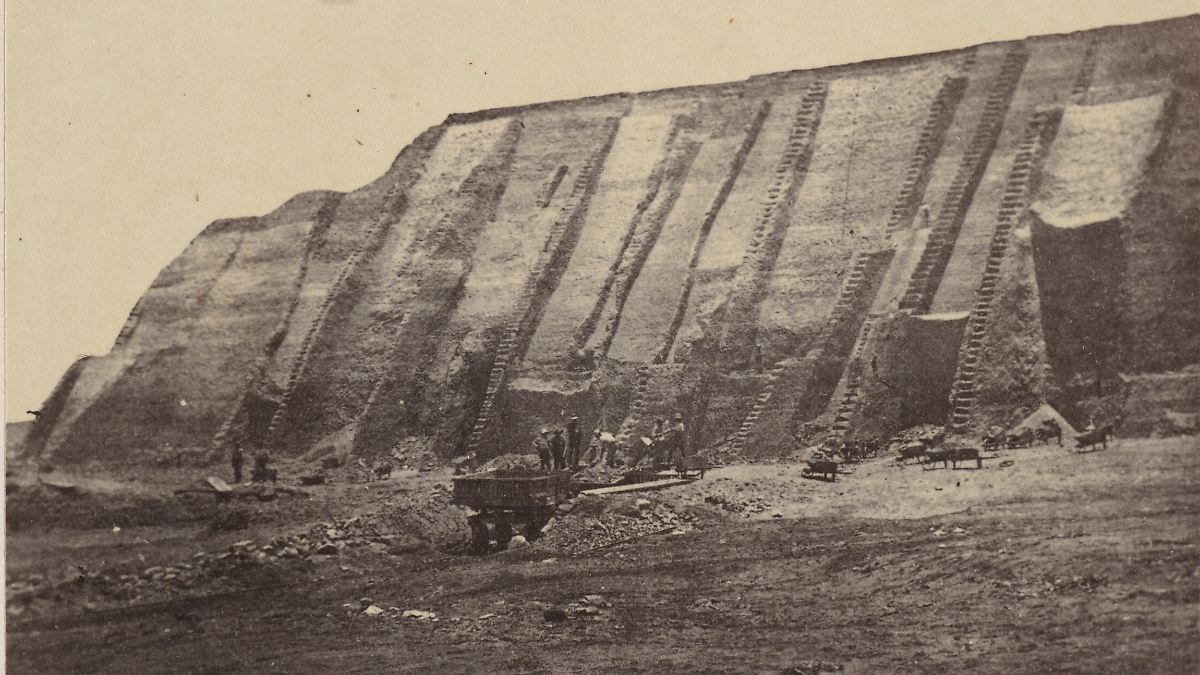
The value of guano was rediscovered in the early 19th century by European explorers, most notably Alexander von Humboldt, who recognized its exceptional fertilizing properties. This sparked a massive guano boom in the mid-1800s, particularly in Peru, which possessed some of the richest guano deposits in the world.
The demand for guano soared as European and North American farmers sought to increase agricultural production. Peru experienced a period of unprecedented economic growth,fueled by guano exports. However, this prosperity was short-lived. The advancement of the Haber-Bosch process in 1913, which enabled the industrial production of synthetic nitrogen fertilizers, dramatically reduced the demand for guano, leading to a decline in its economic importance. Britannica provides a comprehensive overview of the guano trade and its impact.
Guano in the Modern Era
While synthetic fertilizers largely replaced guano in conventional agriculture, the substance has experienced a resurgence in popularity within the organic farming movement. Organic farmers value guano for its natural composition, slow-release nutrient profile, and ability to improve soil health.
Today, guano is harvested sustainably from select seabird colonies around the world, with strict regulations in place to protect bird populations and ecosystems. It remains a valuable, albeit niche, fertilizer for organic growers seeking to enhance crop yields and promote sustainable agricultural practices.
Key Takeaways
- Guano played a crucial role in the development of ancient civilizations, particularly in Peru.
- The 19th-century guano boom transformed Peru’s economy but was ultimately eclipsed by the advent of synthetic fertilizers.
- Guano continues to be a valuable resource for organic agriculture due to its natural composition and beneficial soil properties.
Frequently Asked Questions (FAQ)
What is guano?
Guano is the accumulated excrement of seabirds, bats, or seals. The most valuable guano comes from seabirds, as it is indeed rich in nitrogen, phosphorus, and other essential nutrients for plant growth.
Is guano harvesting sustainable?
Sustainable guano harvesting practices are essential to protect seabird populations and their habitats. Responsible harvesting involves careful monitoring of bird colonies and limiting the amount of guano removed to ensure minimal disruption.
Where can I buy guano fertilizer?
Guano fertilizer is available from many garden centers, nurseries, and online retailers specializing in organic gardening supplies.
Keep reading