
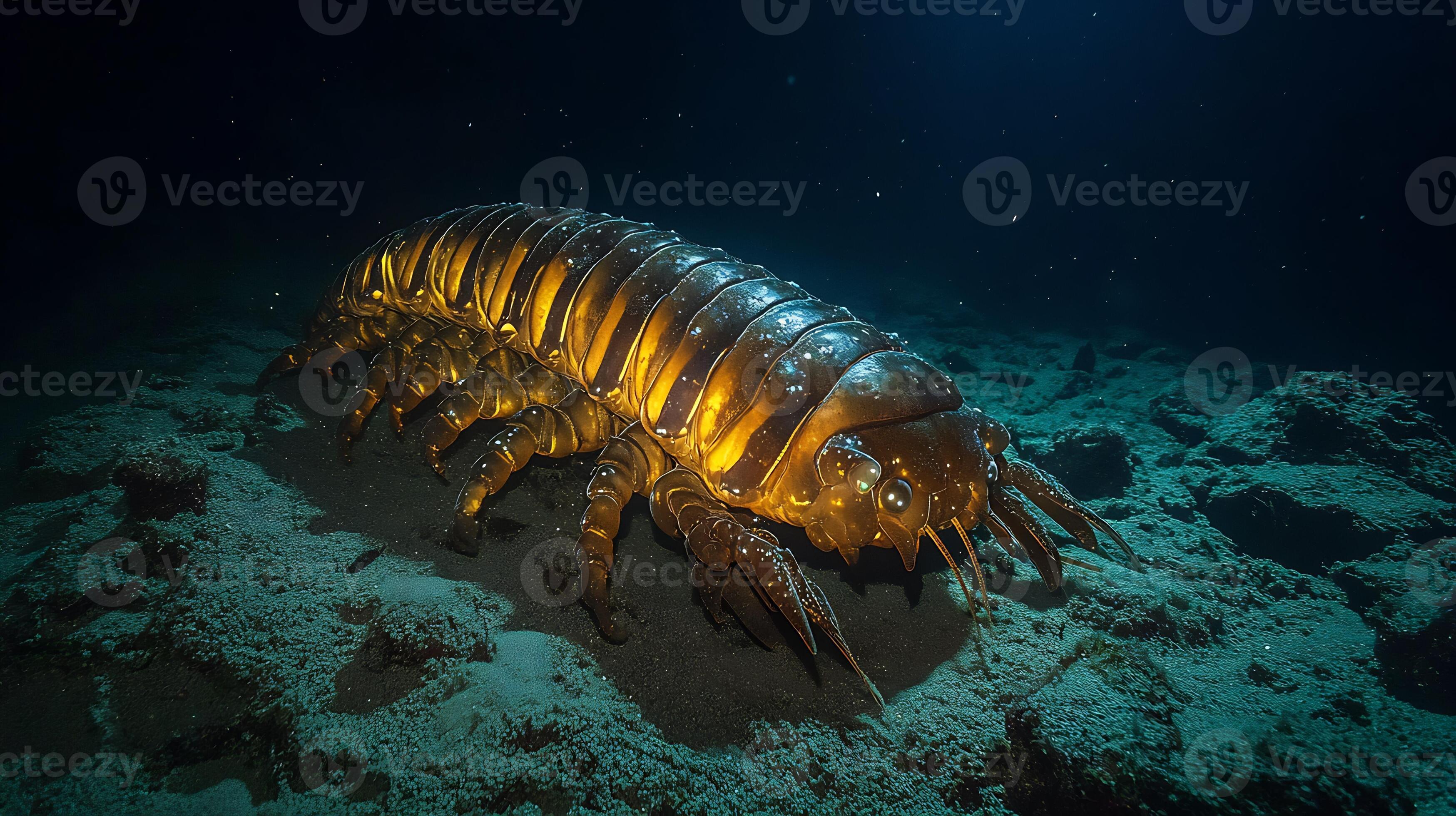
The reappearance of the elusive Bathynomus yucatanensis, often colloquially dubbed the “sea Sasquatch” for its massive size and mysterious nature, has provided marine biologists with a rare opportunity to study a deep-sea giant that had effectively vanished from documented research for over a decade. Researchers from the University of the Basque Country confirmed the identification of this species in the Gulf of Mexico, noting that its presence is a vital indicator of deep-sea biodiversity and ecosystem health.
This giant isopod, which can grow to significant lengths compared to its shallow-water relatives, serves as a crucial scavenger in the benthic zone. Its return to the spotlight is not merely a matter of taxonomic curiosity; it represents a potential cornerstone for understanding how deep-ocean ecosystems recover from environmental pressures. As reported by the Journal of Crustacean Biology, the species was distinguished from its relative, Bathynomus giganteus, through precise morphological analysis, including the number of pleotelson spines and the shape of the antennae.
What Defines the “Sea Sasquatch”
The term “sea Sasquatch” refers to the giant isopod’s ability to remain hidden in the extreme depths of the ocean, specifically in the Yucatan Peninsula region at depths ranging from 600 to 800 meters. According to findings published in the Journal of Crustacean Biology, Bathynomus yucatanensis exhibits distinct physical traits that separate it from the more commonly known B. giganteus. These differences include a slightly slimmer body and longer antennae, which are specialized adaptations for detecting food sources in the pitch-black, high-pressure environment of the deep sea.
Marine biologists emphasize that these creatures are not monsters, but essential scavengers. By consuming organic matter that drifts down from the surface—a phenomenon known as “marine snow”—they play a critical role in nutrient cycling. Their decade-long absence from scientific records was likely not a true disappearance from the ocean, but rather a reflection of the extreme difficulty of surveying the deep-sea floor, where human observation remains limited by technological and budgetary constraints.
Ecological Impact and Ecosystem Restoration
The resurgence of interest in Bathynomus yucatanensis highlights the importance of deep-sea protection. As deep-sea mining and bottom trawling continue to threaten benthic habitats, the presence of stable populations of giant isopods acts as a biological barometer. Scientists at the University of the Basque Country suggest that these organisms are highly efficient at processing carbon, which contributes to the overall stability of the ocean’s carbon sequestration process.
Restoring or protecting the habitats of these creatures could have cascading benefits for broader marine ecosystems. When scavengers are present in healthy numbers, they prevent the accumulation of decaying matter that could otherwise lead to localized hypoxia or disease outbreaks on the seafloor. The “return” of this species to the scientific catalog has prompted calls for more comprehensive deep-sea biodiversity mapping, ensuring that these “Sasquatches” are not lost again due to human-induced habitat degradation.
Key Characteristics of Bathynomus yucatanensis
Understanding the biology of these giants requires looking at how they have adapted to one of the most inhospitable environments on Earth. Based on reports from the Journal of Crustacean Biology, the following features are central to their identity:
- Size and Morphology: They are significantly larger than most terrestrial isopods, growing up to 26 centimeters in length, which is a classic example of “deep-sea gigantism.”
- Dietary Role: They function as opportunistic scavengers, feeding on whale falls and other organic debris that reaches the ocean floor.
- Habitat Range: Primarily identified in the waters off the Yucatan Peninsula, they occupy a specific niche in the bathyal zone.
- Distinguishing Features: Researchers identified B. yucatanensis by analyzing the structure of its pleotelson and the specific arrangement of its appendages, which differ from those of the more widely distributed B. giganteus.
Future Research and Monitoring
The next phase of study involves using autonomous underwater vehicles (AUVs) to monitor populations without disturbing their delicate habitats. The University of the Basque Country team has indicated that continued monitoring is necessary to determine if the population is currently stable or if it faces pressures from climate change-driven shifts in deep-sea currents.

There is no scheduled public release of new population data at this time, but researchers continue to compile observations from deep-sea fishing bycatch and localized benthic surveys. For those interested in the latest developments regarding deep-sea exploration and marine biology, updates are periodically provided by the Ocean Conservancy, which advocates for the protection of deep-sea habitats. We encourage our readers to share their thoughts on the importance of deep-sea conservation in the comments below.
Worth a look