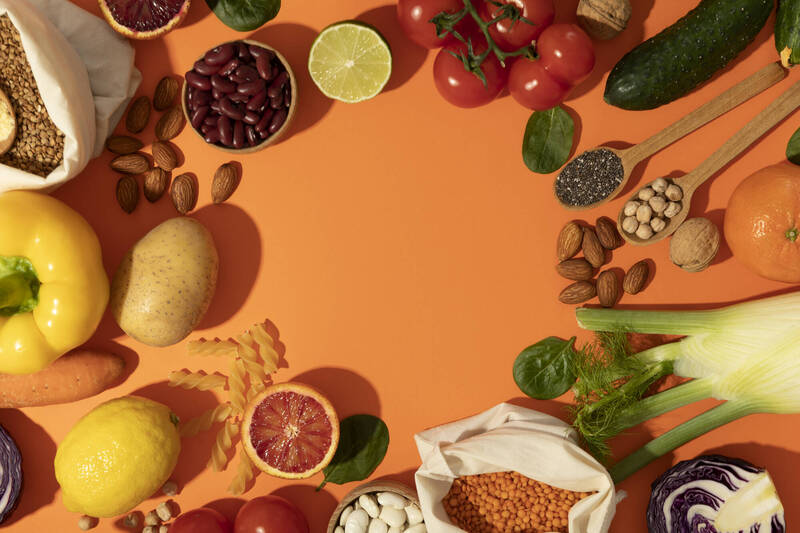
Improving gut health requires a more nuanced approach than relying solely on probiotic supplements, as clinical research suggests that dietary diversity is the primary driver of a resilient microbiome. While the global market for probiotics continues to expand, nutrition experts emphasize that the human gut thrives on a wide variety of plant-based fibers, which act as prebiotics to nourish existing beneficial bacteria. According to the Harvard T.H. Chan School of Public Health, the microbiome is a complex ecosystem that responds most favorably to a diverse intake of nutrients rather than concentrated doses of specific bacterial strains.
The Role of Dietary Diversity in Microbiome Health
The gut microbiome, a vast collection of microorganisms residing in the digestive tract, plays a vital role in immune function, metabolism, and even mental health. Research published by the National Institutes of Health (NIH) indicates that the stability and diversity of these microbial communities are heavily influenced by the food we consume. Relying exclusively on probiotics—which are live microorganisms—may provide temporary benefits, but they do not necessarily lead to long-term colonization if the host environment is not supported by a fiber-rich diet.
Medical professionals often highlight the “rainbow diet” approach, which encourages consuming a wide variety of colorful fruits and vegetables. Each color in produce often indicates the presence of different phytochemicals and fiber types. These diverse fibers are fermented by gut bacteria into short-chain fatty acids, such as butyrate, which are essential for maintaining the integrity of the intestinal lining, as noted by the American Gastroenterological Association.
Moving Beyond Probiotics: A Holistic Strategy
While probiotics are frequently marketed as a singular solution for digestive issues, they are only one component of gut health. A balanced strategy involves incorporating both prebiotics—the non-digestible food ingredients that stimulate the growth of beneficial bacteria—and fermented foods. Common sources of prebiotics include garlic, onions, leeks, asparagus, and whole grains, which are staples in many regional diets globally.

According to clinical guidelines from the World Gastroenterology Organisation, the efficacy of probiotic supplements can vary significantly based on the strain, dosage, and the specific health condition being addressed. Consumers are often encouraged to consult with a registered dietitian or gastroenterologist before committing to long-term supplement regimens, as these products are regulated differently than pharmaceutical medications in many jurisdictions.
Practical Steps for Daily Gut Maintenance
To foster a healthy gut, experts generally recommend the following evidence-based practices:
- Increase Plant Diversity: Aim for 30 different plant-based foods per week to ensure a broad spectrum of fiber types.
- Prioritize Fermented Foods: Incorporate natural sources like yogurt, kefir, sauerkraut, and kimchi into daily meals, which provide a natural array of beneficial bacteria.
- Limit Ultra-Processed Foods: High intake of artificial sweeteners and emulsifiers has been linked in various studies to alterations in the gut microbiome that may reduce diversity.
- Hydration and Movement: Regular physical activity and adequate water intake are consistently associated with improved gastrointestinal motility and overall digestive health.
The World Health Organization maintains that a healthy diet, characterized by a high intake of fruits, vegetables, legumes, and nuts, remains the gold standard for preventing non-communicable diseases and supporting the body’s internal microbial balance. By focusing on whole foods, individuals can create a sustainable environment that supports a diverse and thriving microbiome.
When to Consult a Professional
Occasional digestive discomfort is common, but persistent symptoms such as chronic bloating, irregular bowel movements, or unintended weight loss warrant a clinical evaluation. Modern diagnostic tools, including stool analysis and breath tests, allow physicians to determine if specific imbalances—such as Small Intestinal Bacterial Overgrowth (SIBO) or Irritable Bowel Syndrome (IBS)—are present. According to the Mayo Clinic, a professional diagnosis is necessary to distinguish between common dietary sensitivities and underlying medical conditions that require targeted intervention.

As research into the microbiome continues to evolve, the scientific community expects further clarity on how personalized nutrition can influence individual gut profiles. For now, the consensus remains that a varied, plant-forward diet is the most reliable method for long-term digestive wellness. Readers are encouraged to share their experiences with dietary changes in the comments section below or consult their local primary care provider for personalized health guidance.
Worth a look