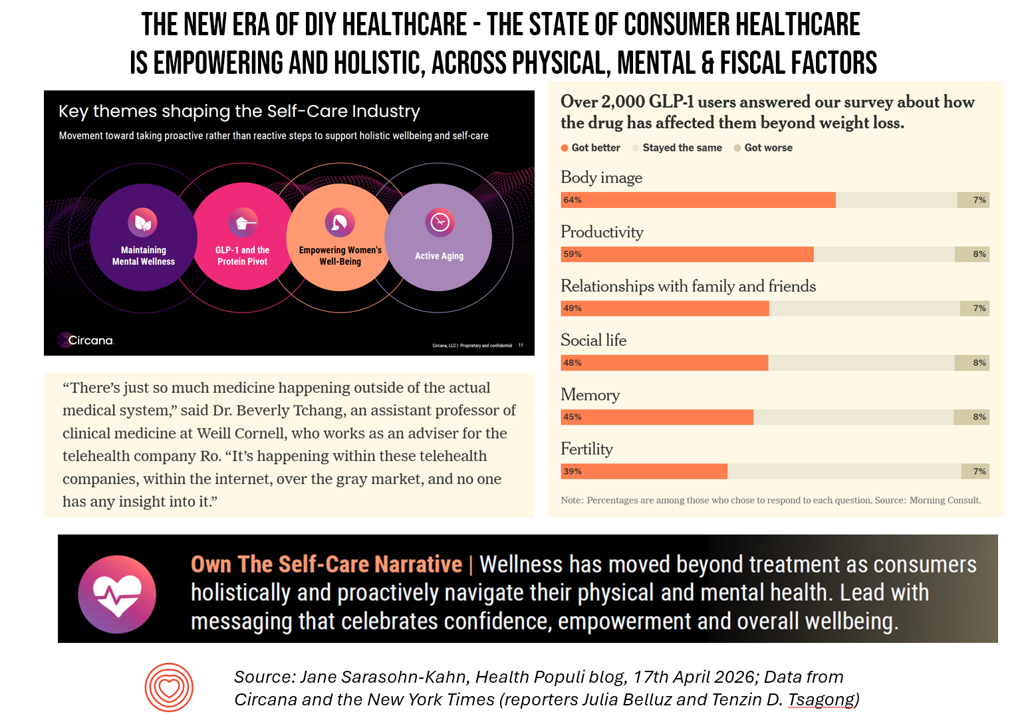
The concept of DIY healthcare has evolved from a niche trend into a mainstream movement, with consumers increasingly taking charge of their wellbeing outside traditional medical settings. This shift reflects broader changes in how people approach health, blending personal agency with accessible tools and information. As economic pressures persist, individuals are seeking value-driven, holistic solutions that address physical, mental, and financial dimensions of wellness.
Recent data from Circana confirms that consumer healthcare spending in the United States continues to outpace overall retail growth, driven by a proactive focus on wellness rather than reactive treatment. In 2025, consumer healthcare saw a 3% increase in both dollar and unit sales, compared to just 2% for total retail, highlighting the resilience of this sector even amid inflationary challenges. This growth is fueled by consumers prioritizing self-care across multiple touchpoints, from nutrition and fitness to mental wellness and preventive care.
One of the most significant catalysts in this transformation has been the widespread adoption of GLP-1 medications, originally developed for diabetes management but now widely used for weight loss and metabolic health. The availability of both injectable and oral formulations has expanded access, contributing to what some describe as a new era of self-directed medicine. As noted in a New York Times long-form essay by Julia Belluz, this trend underscores a growing reality: “There’s just so much medicine happening outside of the actual medical system.”
Beyond pharmaceuticals, Circana identifies three converging forces amplifying proactive wellness: mental health support, women’s well-being initiatives, and active aging or longevity-focused practices. Consumers are increasingly investing in products and services that reduce stress, improve sleep, enhance mood, and support cognitive function — areas where 67% of Americans report practicing mental and emotional self-care, and 60% actively manage stress through supplements, mindfulness tools, or lifestyle adjustments.
Spending patterns reveal a clear shift toward nutrition as a cornerstone of self-care, particularly in 2025, while over-the-counter remedies for cold and flu symptoms declined compared to the peak of the “tripledemic” in 2022. At the same time, consumers are directing more of their healthcare dollars toward value-oriented channels, including warehouse clubs like Costco and Sam’s Club, and e-commerce platforms such as Amazon, which saw spending increases of $2 billion and $3 billion respectively in the self-care category.
Survey research from Morning Consult, featured in the New York Times analysis, found that over half of GLP-1 users reported improvements in body image, productivity, and social relationships — benefits that extend well beyond weight loss. These outcomes align closely with Circana’s emphasis on holistic self-care, where mental health, physical appearance, and interpersonal connections are viewed as interconnected pillars of wellbeing.
Looking ahead, Circana’s framework for the future of wellbeing encourages brands to “own the self-care narrative” by offering integrated solutions that celebrate confidence, empowerment, and overall health. This approach moves beyond transactional relationships to foster long-term engagement through personalization, accessibility, and authentic messaging that resonates with consumers’ evolving values.
For individuals navigating this landscape, the rise of DIY healthcare offers both opportunity and responsibility. While greater access to information and tools enables informed decision-making, it also requires critical evaluation of sources and consultation with healthcare professionals when managing complex conditions. The most effective self-care strategies combine personal initiative with evidence-based guidance, ensuring that empowerment does not come at the expense of safety.
As the boundaries between clinical care and consumer wellness continue to blur, the focus remains on supporting individuals in their pursuit of health that is not only buoyant and empowering but truly holistic — from head to gut to wallet.
Stay informed about evolving trends in consumer health by following updates from trusted sources such as Circana, peer-reviewed public health journals, and official dietary and wellness guidelines from national health agencies.