The quest for longevity is as traditional as humanity itself. Now, emerging research suggests that the key to a long and healthy life may not solely reside in our genes, but within the proteins circulating in our blood. Recent studies, including the Swiss100 project, are exploring the unique biological signatures of centenarians – individuals who have reached the age of 100 – to unlock the secrets of their remarkable resilience and extended lifespans. This investigation into the proteome, the entire set of proteins expressed by an organism, is offering tantalizing clues about how we might one day leisurely down the aging process and promote healthier aging for all.
For decades, scientists have understood that genetics play a role in determining how long we live. However, it’s now widely accepted that lifestyle factors and environmental influences are equally, if not more, important. Estimates suggest that genetics account for approximately 25% of our lifespan, leaving a substantial 75% influenced by other factors. Oxu.Az reports that the remaining factors are linked to lifestyle, diet, and environmental exposures. The emerging field of proteomics is now providing a deeper understanding of how these factors interact with our biology at a molecular level.
The Swiss100 Project: Decoding the Proteome of Longevity
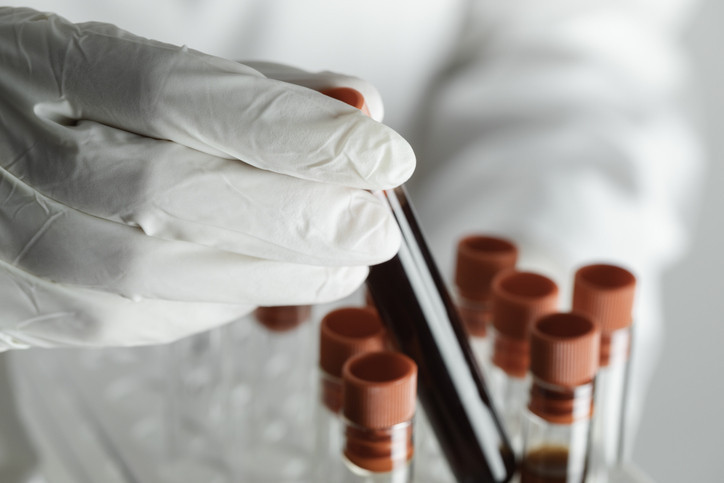
The Swiss100 study, a comprehensive research initiative conducted in Switzerland, is at the forefront of this investigation. Researchers are meticulously analyzing blood samples from centenarians, comparing their protein profiles to those of younger individuals. The goal is to identify specific proteins, or combinations of proteins, that are consistently present in the blood of long-lived individuals. These proteins could potentially serve as biomarkers – measurable indicators of biological states or conditions – for healthy aging. As reported by Yeni Akit Gazetesi, the research has yielded exciting findings, suggesting that certain proteins may play a crucial role in protecting against age-related diseases and promoting longevity.
While the specific proteins identified by the Swiss100 project haven’t been fully disclosed in publicly available reports, the underlying principle is that these proteins likely contribute to several key biological processes associated with healthy aging. These include efficient DNA repair, robust immune function, reduced inflammation, and effective cellular waste removal. The study’s findings are generating considerable excitement within the scientific community, as they offer a potential pathway towards developing targeted interventions to promote healthy aging and extend lifespan.
What Does the Blood Reveal About Centenarians?
The blood of centenarians isn’t simply “older” blood; it’s demonstrably different. Researchers have observed that long-lived individuals often exhibit lower levels of inflammatory markers and higher levels of proteins involved in stress resistance. This suggests that their bodies are better equipped to cope with the cumulative damage caused by aging. Studies have shown that centenarians often have a more efficient immune system, capable of effectively fighting off infections and preventing age-related immune decline. Yirmidört Tv highlights that centenarians often share common characteristics, including a resilient physiological state reflected in their blood composition.
The presence of specific proteins associated with DNA repair is as well noteworthy. As we age, our DNA accumulates damage, leading to cellular dysfunction and increased risk of disease. Centenarians appear to have enhanced DNA repair mechanisms, allowing them to maintain the integrity of their genetic material for longer. This protective effect may contribute to their resistance to age-related diseases such as cancer and Alzheimer’s disease.
The Role of Inflammation in Aging
Chronic inflammation is a hallmark of aging and a major contributor to many age-related diseases. Centenarians, however, often exhibit lower levels of chronic inflammation compared to younger individuals. This suggests that their bodies are better at regulating the inflammatory response, preventing it from spiraling out of control. The proteins identified in the Swiss100 study may play a role in modulating the immune system and suppressing chronic inflammation, thereby promoting healthy aging.
Beyond Proteins: The Multifaceted Nature of Longevity
While the discovery of longevity-associated proteins is a significant step forward, it’s crucial to remember that longevity is a complex trait influenced by a multitude of factors. Genetics, lifestyle, diet, exercise, social connections, and environmental exposures all play a role. The proteins identified in the blood of centenarians are likely just one piece of the puzzle.
Diet, in particular, is a critical factor. Centenarians often adhere to traditional diets rich in fruits, vegetables, whole grains, and healthy fats. These diets provide the body with the nutrients it needs to repair damage, fight inflammation, and maintain optimal function. Regular physical activity is also essential, as it helps to maintain muscle mass, improve cardiovascular health, and boost immune function.
strong social connections and a sense of purpose in life are associated with increased longevity. Individuals who feel connected to others and have a reason to gain up in the morning tend to live longer and healthier lives. These psychosocial factors can influence hormone levels, immune function, and overall well-being.
Implications for Future Research and Interventions
The findings from studies like the Swiss100 project have significant implications for future research and the development of interventions to promote healthy aging. Identifying the specific proteins associated with longevity could lead to the development of diagnostic tests to assess an individual’s biological age and risk of age-related diseases. It could also pave the way for the development of targeted therapies to enhance the function of these proteins or mimic their effects.
For example, researchers are exploring the possibility of developing protein-based drugs or gene therapies to boost DNA repair mechanisms, reduce inflammation, or enhance immune function. These interventions could potentially slow down the aging process and prevent or delay the onset of age-related diseases. However, it’s important to note that these therapies are still in the early stages of development and will require extensive testing to ensure their safety and efficacy.
The research also underscores the importance of preventative measures. Adopting a healthy lifestyle, including a balanced diet, regular exercise, and strong social connections, can help to optimize the function of our bodies and promote healthy aging. While we may not be able to live to 100, we can certainly take steps to improve our chances of living longer, healthier lives.
As research continues to unravel the mysteries of longevity, it’s becoming increasingly clear that the key to a long and healthy life lies not in a single magic bullet, but in a complex interplay of genetic, lifestyle, and environmental factors. The ongoing investigation into the proteome of centenarians is providing valuable insights into this interplay, offering hope for a future where we can all enjoy a longer and more fulfilling life.
The next phase of the Swiss100 project will focus on validating these initial findings in larger cohorts and exploring the potential for translating these discoveries into clinical applications. Researchers are also planning to investigate the role of other biological factors, such as gut microbiome composition and epigenetic modifications, in the aging process. Stay tuned for further updates as this exciting field of research continues to evolve. Share your thoughts on the potential of proteomics in the quest for longevity in the comments below.
Keep reading