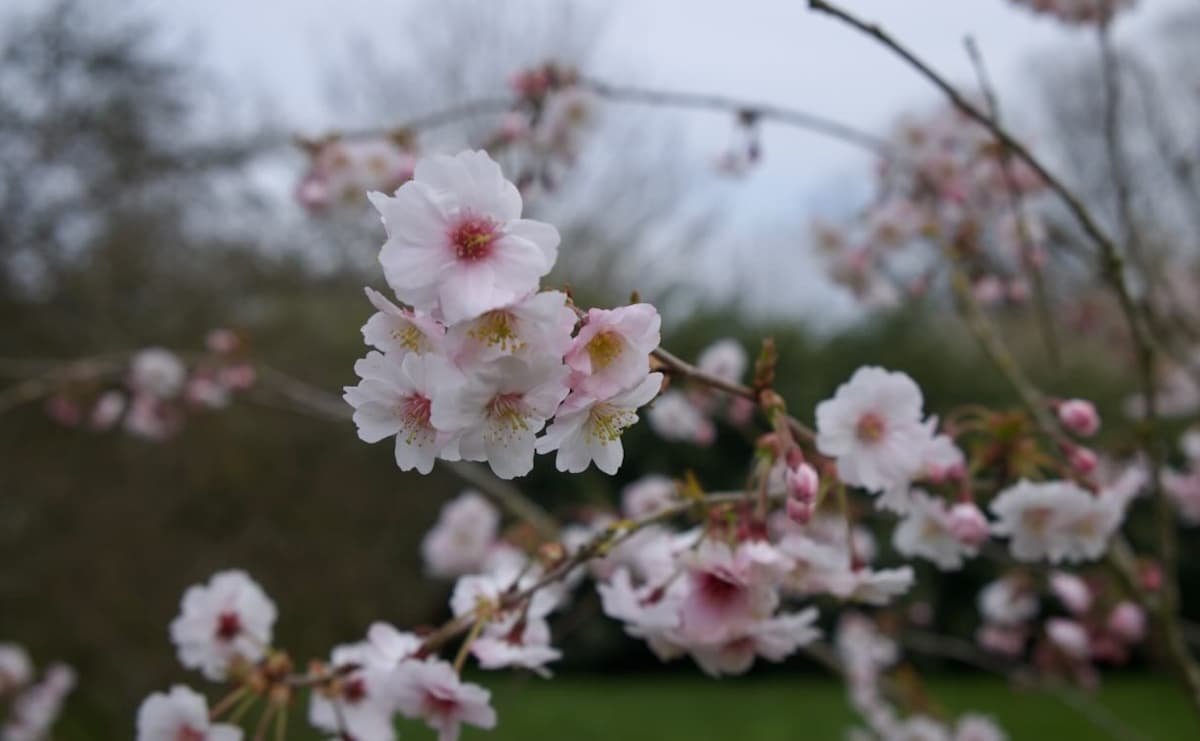
For most Japanese people, cherry blossoms—sakura—are more than just flowers. They are a cultural cornerstone, a fleeting symbol of renewal tied to seasonal rituals, poetry, and collective memory. But when Japanese gardeners and enthusiasts move abroad, they often encounter a stark contrast: in places like the United Kingdom, cherry blossoms are celebrated, yes, but with a markedly different emotional resonance. Why does sakura fail to evoke the same awe in foreign soil? And what does this reveal about the deeper cultural layers of how societies perceive nature?
The disconnect isn’t just about aesthetics. It’s about how cherry trees are cultivated, where they’re planted, and even when they bloom. In Japan, sakura season is a national phenomenon, marked by hanami (flower-viewing) picnics under canopies of pink, a temporary escape from daily life. In the UK, by contrast, cherry blossoms are often treated as ornamental accents—beautiful, but not sacred. This cultural friction has been studied by horticulturists and anthropologists, who argue that the sakura experience is inseparable from Japan’s historical and spiritual traditions.
To explore this further, we spoke with experts who have lived between these two worlds—including gardeners who’ve transplanted their passion for sakura to British gardens, only to find their labor met with polite indifference. The result? A quiet but profound lesson in how nature itself can become a bridge—or a barrier—between cultures.
Why Sakura Feels Different Abroad: The Science of Cultivation
Cherry blossoms aren’t all the same. In Japan, the most revered varieties—like Somei Yoshino, the quintessential sakura—are meticulously bred for their ephemeral beauty. These trees are pruned to bloom synchronously, creating the iconic “sea of pink” effect that draws millions to parks like Tokyo’s Ueno or Kyoto’s Philosopher’s Path. The timing is deliberate: sakura season typically peaks in late March or early April, aligning with Japan’s kaze no hi (Wind Day) and shunbun no hi (Spring Equinox), both of which carry deep cultural significance.
In the UK, however, cherry blossoms are often non-native hybrids or ornamental species like Prunus serrulata ‘Kanzan’, chosen for their hardiness and year-round appeal rather than seasonal symbolism. These trees may bloom earlier or later, and their cultivation prioritizes longevity over spectacle. “In Japan, you’re not just planting a tree—you’re participating in a centuries-old tradition,” explains Dr. Naomi Sato, a cultural anthropologist at the University of Edinburgh who has researched sakura rituals. “In the UK, it’s more about the look of the garden.”
Sakura in Japan also thrive in communal spaces: parks, temples, and riversides where people gather. In the UK, they’re more likely to be found in private gardens or botanical collections like the Royal Horticultural Society’s gardens in Wisley, where their role is decorative rather than communal.
Bloom Time: A Calendar of Contrasts
The timing of sakura blooms is another critical factor. In Japan, the sakura zensen (cherry blossom front) is tracked nationwide, with forecasts predicting peak bloom dates down to the day. This precision is tied to kigo (seasonal words) in traditional poetry and even influences business decisions, like the timing of graduations, and festivals.
In the UK, cherry blossoms may bloom in February or May, depending on the variety and microclimate. Without the cultural scaffolding of hanami or sakura-themed events, their arrival passes with little fanfare. “There’s no equivalent to Japan’s sakura season here,” says Tom Harrison, a gardener who runs Cotswold Gardens, where he’s experimented with Japanese sakura varieties. “People notice them, but they don’t feel them the same way.”
The Gardener’s Dilemma: Why Sakura Struggles to Take Root in the UK
For Japanese gardeners living abroad, the challenge of cultivating sakura in the UK is both practical and emotional. Many varieties require specific soil conditions, sunlight, and winter chill to bloom reliably. Some, like Somei Yoshino, are particularly sensitive to late frosts, which are more common in the UK’s temperate climate. “You can plant a sakura tree in England,” says Harrison, “but you’re not guaranteed the same experience.”
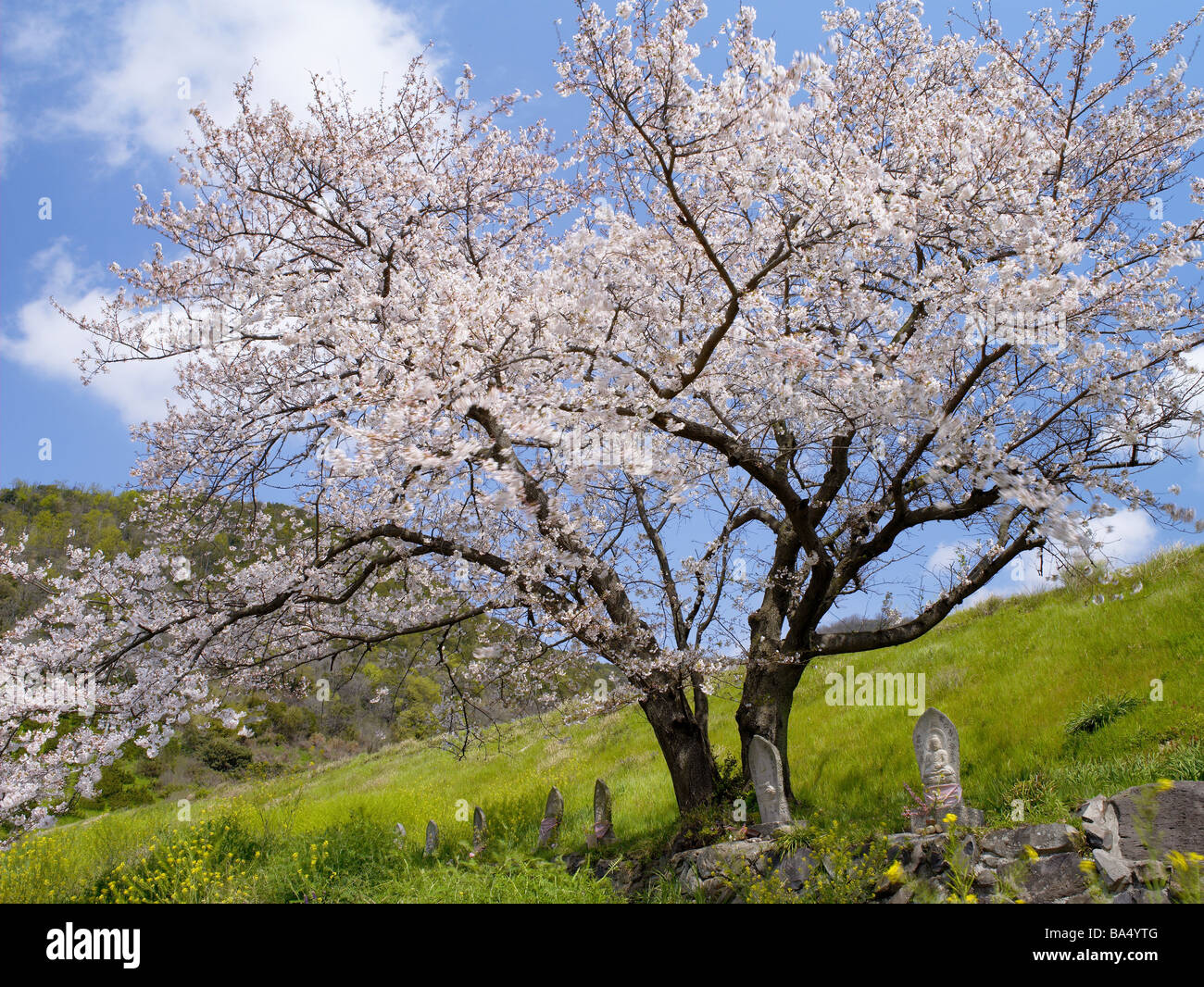
There’s also the issue of space and tradition. In Japan, sakura are often planted in groups of hundreds or thousands, creating the immersive effect that defines hanami. In a UK garden, even a single sakura tree can feel lonely without the surrounding cultural context. “It’s like trying to explain the taste of miso soup to someone who’s never had it,” says Sato. “You can describe it, but they’ll never get it until they’ve experienced it.”
Some gardeners have found creative workarounds. The Kenwood House and Museum Gardens in London, for example, has incorporated Japanese sakura into its collections, though their blooms are often overshadowed by the garden’s more familiar magnolia and wisteria displays. Meanwhile, Japanese communities in the UK—such as those in London’s Notting Hill—host hanami events to recreate the experience, albeit on a smaller scale.
Cultural Grafting: Can Sakura Become a UK Tradition?
The question of whether sakura can ever truly belong in the UK hinges on whether its cultural significance can be transplanted. Some argue that the UK’s gardening culture is too individualistic to embrace sakura as Japan does. Others point to the growing popularity of Japanese gardens—like those at Kew Gardens or Hagley Hall—as evidence that the UK is gradually warming to the idea.
Yet, the emotional gap remains. “In Japan, sakura is about transience—the fleeting nature of life,” says Sato. “In the UK, people see a pretty tree. They don’t see the philosophy behind it.” This isn’t to say the UK lacks its own flowering traditions. Tulips in the Netherlands, daffodils in Wales, or even bluebell woods in England each carry their own cultural weight. But none have the universal resonance of sakura in Japan.
Beyond the Blossoms: What This Reveals About Cultural Identity
The story of sakura in the UK is more than a gardeners’ tale—it’s a microcosm of how cultures adopt and adapt foreign elements. Japan’s sakura are deeply tied to its Shinto traditions, haiku poetry, and even war memorials (where fallen soldiers are honored under blooming trees). Without these layers, the tree itself becomes just another ornamental plant.

This raises broader questions: Can a symbol lose its meaning when removed from its cultural soil? And if so, is that a loss—or an opportunity for new interpretations? Some UK gardeners argue that sakura’s “universal beauty” is precisely what makes it adaptable. Others insist that its power lies in its specificity, a reminder that nature’s significance is often culturally constructed.
For now, the UK’s relationship with sakura remains a work in progress. But as Japanese communities grow and gardening trends evolve, there’s a chance that cherry blossoms could one day bloom in British hearts as vividly as they do in Japanese ones.
Key Takeaways
- Cultural Context Matters: Sakura in Japan are tied to rituals, poetry, and communal gatherings, while in the UK, they’re often treated as decorative plants.
- Climate and Cultivation: Many Japanese sakura varieties struggle in the UK’s cooler, wetter climate, requiring careful selection and maintenance.
- Timing is Everything: The synchronized blooming of sakura in Japan is a cultural phenomenon; in the UK, their bloom times vary widely.
- Communal vs. Individual: Hanami in Japan is a shared experience, whereas UK cherry blossom appreciation is often solitary.
- Adaptation vs. Tradition: While sakura can be grown in the UK, their cultural significance may never fully translate without Japan’s historical and spiritual framework.
- Gardening as Cultural Exchange: The UK’s growing interest in Japanese gardens suggests a slow but steady appreciation for sakura, though not yet on Japan’s scale.
What’s Next for Sakura in the UK?
If the trend continues, we may see more sakura varieties being introduced to UK gardens, particularly in RHS-recommended hardy species. Japanese communities are also likely to expand hanami events, though these will remain niche compared to Japan’s nationwide celebrations. For now, the UK’s relationship with sakura is one of appreciation without attachment—a testament to how deeply culture shapes our connection to nature.
Have you experienced sakura in a different cultural context? Share your stories in the comments below—or tag us on social media with #SakuraBeyondJapan. And if you’re a gardener considering planting sakura, check out the RHS’s guide to cherry trees for species best suited to UK climates.
Related reading