
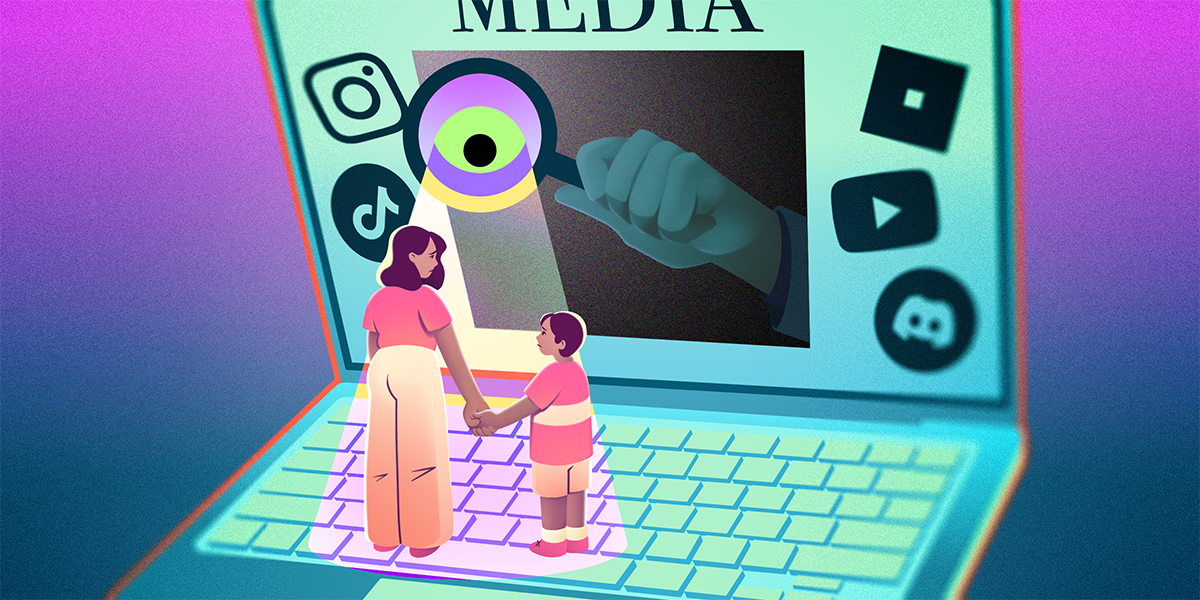
The UK government is moving toward a potential ban on social media for children under 16, a policy shift that critics argue could compromise user privacy and restrict access to essential digital resources. While proponents frame the move as a vital protection against online harms, the proposal—currently integrated into broader legislative discussions regarding the Children’s Wellbeing and Schools Bill—faces significant scrutiny over its feasibility, the lack of privacy-preserving age verification, and the potential for unintended consequences on young people’s digital autonomy.
As the Editor of the Tech section here at World Today Journal, I have spent nearly a decade analyzing the intersection of software architecture and public policy. From my background in computer science at Stanford, I can confirm that implementing a universal, secure age-gating system across disparate platforms like TikTok, YouTube, and X remains a significant technical hurdle. Without a standardized method, the government’s plan risks forcing platforms to collect more, not less, sensitive data from users to verify their identity, effectively eroding the very privacy it seeks to protect.
The Legislative Path to Age Restrictions
The current push for a social media ban is the latest in a decade-long series of attempts by UK lawmakers to regulate internet access. The journey began with the proposed Digital Economy Bill, which sought to restrict access to adult content. While the subsequent Digital Economy Act 2017 did not include the initially proposed age-based restrictions for all web traffic, it established a regulatory precedent for age assurance in the UK.

Following the 2020 publication of the Online Harms Whitepaper, the focus shifted toward broader enforcement. This culminated in the Online Safety Act 2023, which granted the Office of Communications (Ofcom) extensive powers to hold platforms accountable for user safety. Despite these measures, discussions continued, eventually leading to the inclusion of stricter age-gating proposals within the Children’s Wellbeing and Schools Bill. In parliamentary sessions, Members of Parliament debated amendments that would enable the Secretary of State to mandate that providers restrict access to specified internet services for children under 18, rather than the original 16-year threshold.
Technical and Privacy Challenges of Age Verification
From an engineering perspective, the “highly-effective age assurance measures” cited by proponents are not currently a reality. To verify that a user is under 16, a platform must either request government-issued identification or utilize third-party verification services, both of which introduce substantial privacy risks. According to the Information Commissioner’s Office (ICO), any system that collects additional data for age verification must comply with strict data protection standards, yet the mandate to “ban” users necessitates the collection of that very data.
If platforms like Snapchat, Instagram, or Facebook are required to verify the age of every user, they must store that information, creating a new, attractive target for data breaches. Furthermore, the lack of a centralized, secure digital identity system in the UK means that verification methods are fragmented. A user might be verified on one platform but remain anonymous on another, rendering the broad legislative ban inconsistent in its application.
Impact on Education and Digital Inclusion
Beyond the technical hurdles, the social media ban threatens to cut off young people from non-harmful, educational, and community-building content. Many students rely on YouTube for academic tutorials, while local community groups and extracurricular events are often coordinated through Facebook or similar platforms. By treating all “user-to-user” services as inherently dangerous, the policy risks isolating young people from the positive aspects of the internet.
Critics of the bill argue that the government is overreaching by taking control of technology usage away from families. Instead of empowering parents to guide their children’s digital habits, the proposed regulations would shift this authority to regulators, potentially limiting the ability of minors to participate in digital arts, culture, and collaborative projects. As noted by civil liberty advocates, the restriction of lawful speech and the broad categorization of “harmful” content could set a global precedent for restrictive internet policy.
What Happens Next
The legislative process remains ongoing. The Children’s Wellbeing and Schools Bill is subject to further scrutiny in the House of Commons and the House of Lords before it can receive Royal Assent. The government has not provided a definitive date for the full implementation of these measures, though industry observers are tracking the next parliamentary session to see if the proposed age threshold remains at 16 or is adjusted to 18 following the recent amendments. For now, the debate centers on whether the state has the right—or the technical capability—to enforce such a wide-reaching digital border.

We welcome your perspective on this evolving issue. How do you believe the balance between child safety and digital freedom should be managed? Join the conversation in the comments below, or share this report to help others stay informed on these critical legislative developments.