Instagram, the visual-focused social media platform owned by Meta Platforms, continues to serve as a primary hub for digital content creation, brand marketing, and interpersonal communication for over two billion monthly active users worldwide. As of late 2024, the platform remains a central component of Meta’s broader ecosystem, navigating ongoing regulatory scrutiny regarding user safety, algorithmic transparency, and data privacy. According to Meta’s official investor relations filings, the platform’s integration with Facebook and WhatsApp continues to evolve, focusing on short-form video engagement through Reels and the expansion of e-commerce capabilities within the app.
The platform, which launched in 2010, has transitioned from a simple photo-sharing filter application into a complex multimedia environment. Its current architecture relies on a multi-layered recommendation engine that prioritizes content based on user interaction, engagement history, and interest-based signals. For developers and industry analysts, understanding these mechanisms is essential to gauging how information spreads across the network. The Federal Trade Commission (FTC) has previously scrutinized Meta’s acquisition strategies, citing concerns over market competition, as documented in publicly released legal filings.
Platform Mechanics and User Engagement
At the core of the user experience is the algorithm, which Meta describes as a series of distinct systems, classifiers, and processes. Unlike a singular “master” algorithm, Instagram utilizes various models to rank content for the Feed, Stories, and the Explore tab. For the main feed, the platform weights signals such as the likelihood of a user commenting, liking, or tapping on a profile. According to official Instagram engineering documentation, the platform attempts to balance personalized content with a diverse array of posts to prevent echo chambers.

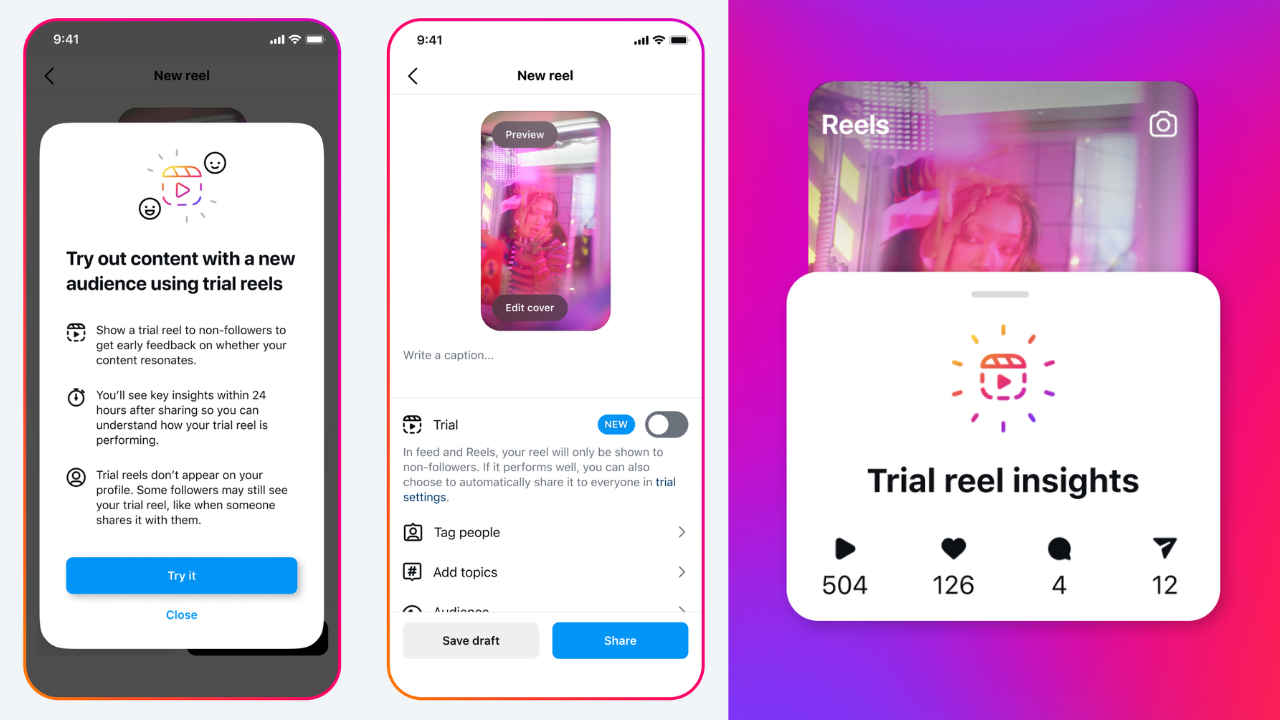
Short-form video, specifically Reels, remains the company’s primary response to competitive pressures from rivals like TikTok. By dedicating significant screen real estate to video content, Meta has shifted the platform’s focus from static photography to dynamic, high-engagement loops. This transition has impacted creator monetization strategies, as the platform continues to refine its “Creator Marketplace” and subscription models to keep high-value users within the Meta ecosystem. The effectiveness of these tools is verified through quarterly reports, which track the growth of creator-led revenue streams across its global user base.
Regulatory Challenges and Safety Initiatives
The platform faces significant international oversight regarding the impact of its features on younger demographics. In the United States, several states have initiated litigation against Meta, alleging that Instagram’s design features, such as infinite scroll and push notifications, contribute to compulsive usage patterns in minors. These legal actions are grounded in consumer protection laws and are currently being managed in various Senate Judiciary Committee hearings.
In response to these concerns, Meta has introduced a suite of tools under the “Teen Accounts” initiative. These settings, which are applied by default for users under 16, include private accounts, restricted messaging, and time-limit notifications. The company states that these changes are intended to provide parents with more oversight while allowing teens to use the platform safely. These updates are documented in the official company policy announcements, which detail the technical implementation of age-verification protocols.
Data Privacy and Algorithmic Transparency
Data privacy remains a recurring point of friction between Instagram and global regulators, particularly within the European Union. Under the General Data Protection Regulation (GDPR), the platform is required to provide users with clear transparency regarding how their personal data is processed for targeted advertising. The European Data Protection Board has issued several rulings regarding Meta’s legal basis for processing user data, leading to adjustments in how the platform handles consent for behavioral advertising, as noted in official board decisions.

For users, the platform offers a “Download Your Information” tool, which allows individuals to access a copy of the data Meta has collected, including photos, comments, and profile information. This functionality is part of the broader compliance efforts mandated by international privacy laws. Analysts note that while these tools provide visibility, the underlying data-harvesting models—which power the platform’s advertising business—remain largely opaque to the average consumer.
Future Developments and Industry Impact
Looking ahead, the integration of generative AI into the creative toolset represents the next frontier for the platform. Meta has begun testing AI-powered editing tools that allow users to generate backgrounds, modify images, and create personalized stickers directly within the app. These features are designed to lower the barrier to entry for content creation, potentially increasing the total volume of content uploaded daily.
The next major checkpoint for the platform involves upcoming compliance deadlines related to the Digital Services Act (DSA) in the European Union, which requires large platforms to perform rigorous risk assessments on their algorithms. Investors and stakeholders can monitor these developments through the European Commission’s official tracking portal for platform compliance. As the technology landscape continues to shift, the platform’s ability to balance user growth with regulatory requirements will remain the defining factor of its long-term viability. Readers interested in the latest policy shifts are encouraged to check the Meta Newsroom for official updates and upcoming regulatory filing disclosures.
Related reading