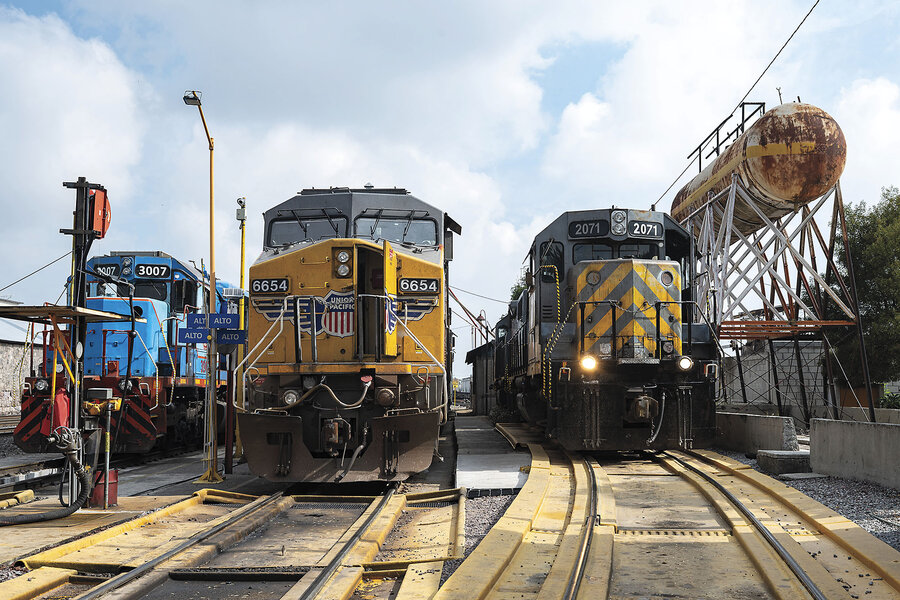
North American trade relations face a period of heightened uncertainty as the United States, Canada, and Mexico navigate complex negotiations ahead of the upcoming scheduled review of the United States-Mexico-Canada Agreement (USMCA). While the 2020 treaty was designed to provide long-term stability for continental commerce, recent disputes over automotive rules, energy policies, and digital services have prompted calls for a more unified regional approach to counter global economic pressures.
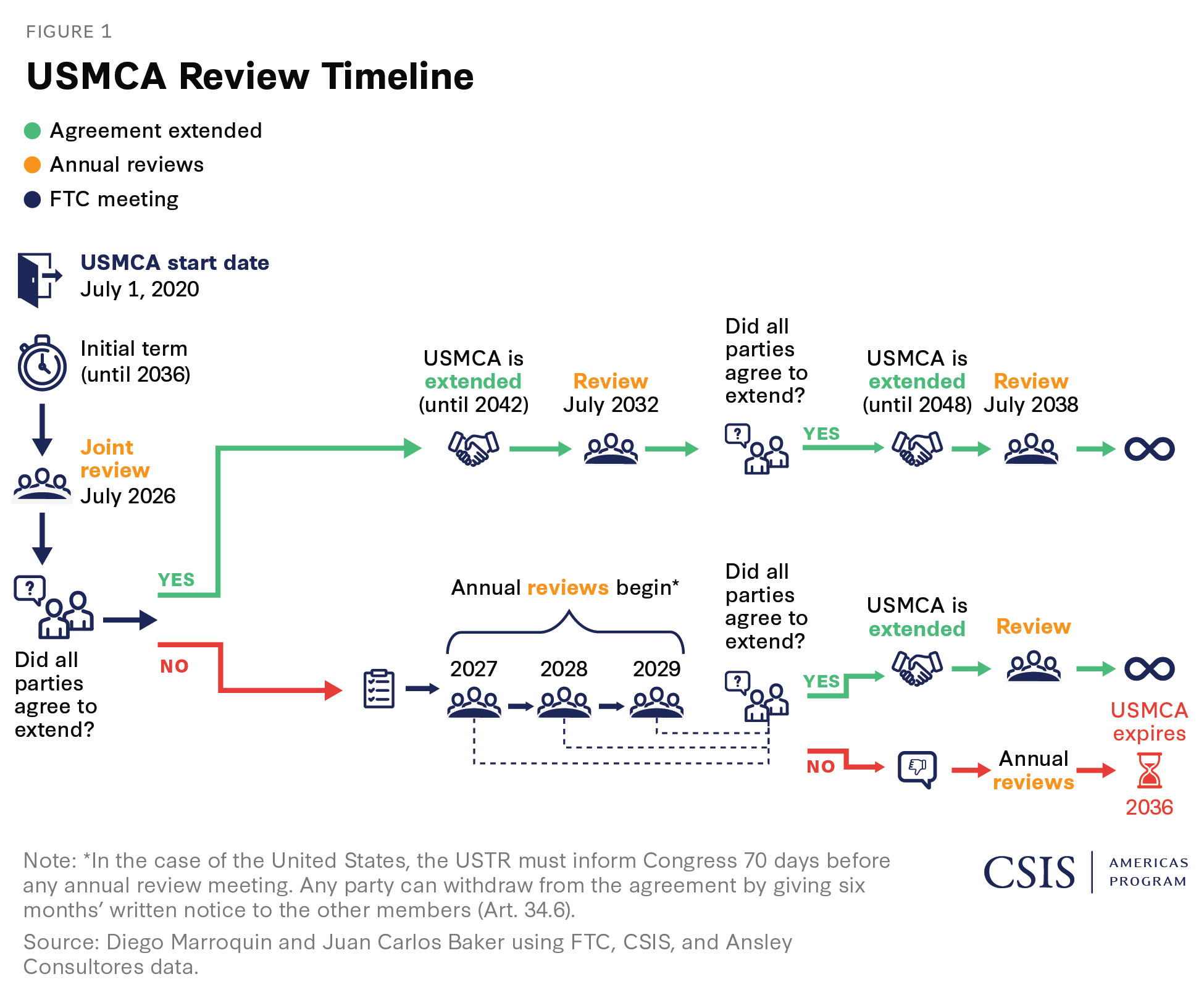
The USMCA is slated for a formal “sunset review” in 2026, a process required under the agreement to determine if the pact remains in the best interest of all three signatory nations. According to the Office of the United States Trade Representative, this milestone serves as a critical checkpoint to address emerging trade barriers and modernize provisions that have faced criticism from labor unions and industry groups alike.
The Evolution of Continental Trade Tensions
For decades, the economic integration of North America was built on the foundation of the 1994 North American Free Trade Agreement (NAFTA). The transition to the USMCA sought to address grievances regarding manufacturing jobs and environmental standards. However, the current landscape is marked by divergent priorities. The United States has increasingly emphasized “nearshoring”—the practice of transferring business operations to nearby countries—to reduce reliance on Asian supply chains, a move that requires significant policy alignment with Ottawa and Mexico City.
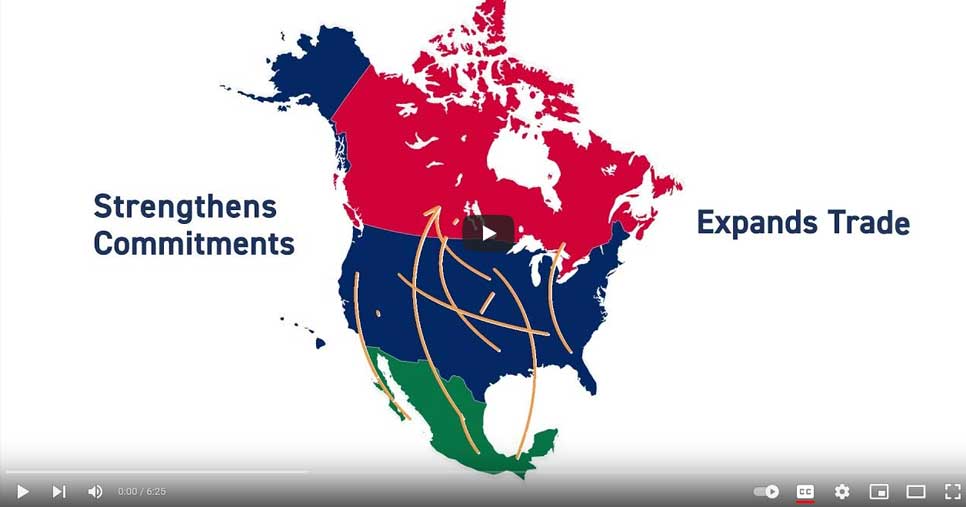
Disagreements persist, most notably regarding the interpretation of rules of origin for vehicles. The World Trade Organization has previously served as a forum for these disputes, though the USMCA provides its own dispute settlement mechanisms. In recent filings, the U.S. government has challenged Mexico’s energy policies, arguing that they unfairly favor state-owned utilities over private American investors, potentially violating the treaty’s investment protections.
Economic Interdependence and Supply Chain Security
The economic stakes remain significant. Canada and Mexico consistently rank as the top two trading partners of the United States. According to data from the U.S. Census Bureau, trade in goods between these three nations accounts for over $1.5 trillion annually. Disruptions to this flow, whether through tariffs or regulatory misalignment, carry immediate consequences for the automotive, agricultural, and technology sectors.
Industry analysts suggest that the push for unity is driven largely by the need to compete with China. By strengthening regional supply chains, the North American bloc aims to secure critical minerals and semiconductor production. The U.S. Department of State has highlighted that coordinating on “critical and emerging technologies” is essential for maintaining a competitive edge, yet this requires a level of regulatory harmony that has proven difficult to achieve under the current administration of trade policies.
Challenges to Regulatory Alignment
Policy experts point to the distinct political climates in each capital as a primary hurdle to deeper integration. Mexico’s focus on energy sovereignty often conflicts with the market-access expectations of U.S. and Canadian firms. Simultaneously, Canadian authorities have expressed concerns over potential U.S. protectionist measures that could jeopardize the seamless movement of goods across the border.
The Government of Canada has repeatedly emphasized that the strength of the North American economy relies on “predictable and rules-based trade.” As the 2026 review approaches, stakeholders are watching for signals regarding whether the three nations will seek to expand the agreement or if the review process will trigger a period of renegotiation that could lead to heightened trade barriers.
Future Outlook and Next Steps
The path forward remains tethered to the diplomatic efforts of the three national governments. While there is no immediate deadline for a new treaty, the preparatory meetings for the 2026 review are expected to intensify throughout the coming year. Official updates regarding the agenda for these discussions are typically published on the Office of the United States Trade Representative website, where stakeholders can monitor public comment periods and hearing schedules.
As the conversation around North American trade evolves, the balance between national sovereignty and regional prosperity will continue to shape the political discourse in Washington, Ottawa, and Mexico City. Readers interested in the latest developments are encouraged to follow the official releases from their respective trade ministries and participate in public consultations when they become available.
Worth a look