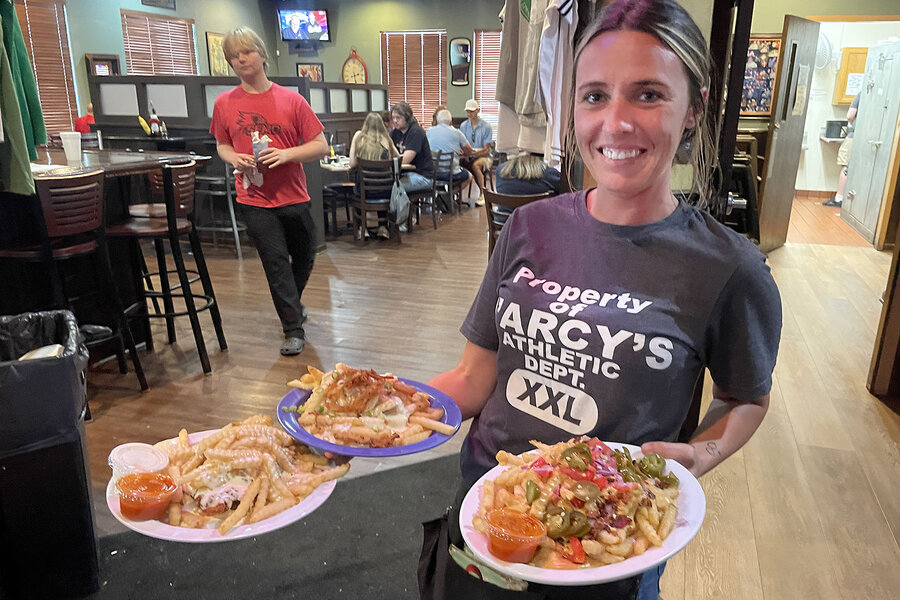
The iconic Illinois capital culinary creation known as the horseshoe sandwich remains a staple of local dining culture, drawing residents and visitors to more than 30 restaurants across Springfield that serve the heavy comfort-food dish. According to local food historians and regional tourism documentation, the open-faced sandwich typically consists of thick-sliced toast, a meat patty or ham, a mountain of french fries, and a heavy drenching of warm cheese sauce.
While the city of Springfield is internationally recognized for its deep Abraham Lincoln history—housing his presidential museum, home, and final resting place—culinary enthusiasts frequently point to the horseshoe sandwich as the community’s signature local delicacy. Highlighting the sheer scale of its local popularity, specific eateries in the area report massive daily output, with individual kitchens preparing nearly 1,000 horseshoe sandwiches a single day to satisfy high consumer demand.
The dish’s unusual name originates from its historical presentation style, echoing the work of blacksmiths who once populated the region. Understanding how this calorie-dense meal evolved from a local tavern experiment into a municipal symbol requires looking closely at its mid-century origins and the enduring appeal that keeps modern diners coming back.
Origins of the Springfield Horseshoe Sandwich
The creation of the horseshoe sandwich dates back to the early 20th century at the Leland Hotel in Springfield, Illinois. According to historical archives maintained by the Abraham Lincoln Presidential Library and Museum, chef Joe Schweska and his kitchen staff introduced the open-faced meal in the 1920s as a hearty midday option for hotel patrons.
The original iteration utilized ham rather than the modern hamburger patty, but the core architectural elements remained identical. A slice of toasted bread served as the base, topped with a grilled protein, blanketed by french fries, and smothered in a rich Welsh rarebit-style cheese sauce. The assembly was often served on a heavy ceramic platter, with the fries resembling horseshoe nails and the slice of toast functioning as the shoe itself.
Over the decades, local diners, taverns, and upscale restaurants throughout Sangamon County adopted the concept, experimenting with alternative proteins. While traditional ham and hamburger remain the most popular choices, modern menus frequently feature fried chicken, buffalo chicken, pulled pork, or even breakfast-themed variations loaded with bacon and eggs.
Economic and Cultural Impact on Local Dining
For Springfield restaurateurs, the horseshoe sandwich represents a vital economic engine and a point of civic pride. More than 30 independent dining establishments feature the item as a centerpiece of their menus, drawing tourists who travel specifically to taste authentic variations across the capital district.
High-volume establishments, such as local landmarks D’Arcy’s Pint and Dublin Pub, have built extensive reputations around the dish, preparing hundreds of orders daily during peak tourist seasons. Culinary tourism campaigns organized by regional groups actively promote the sandwich, encouraging travelers to complete unofficial tasting trails across the city.
Nutritional experts and dietitians note that the dish is exceptionally rich, frequently surpassing standard daily caloric recommendations in a single sitting due to the combination of fried potatoes, heavy dairy-based cheese sauces, and dense carbohydrates. Despite its heavy profile, locals and visitors continue to embrace the comfort food as an essential element of Midwestern culinary heritage.
Future Culinary Outlook and Community Preservation
As food trends shift toward lighter, plant-based options, Springfield’s signature comfort food continues to hold its ground through sheer cultural resilience. Local restaurants routinely host annual competitions and festival events dedicated entirely to perfecting or reinventing the classic recipe, ensuring the tradition endures for younger generations.
Official tourism authorities and local historical societies plan to release updated culinary trail guides and archive new oral histories from long-running restaurant owners in the coming months. Travelers seeking official updates, dining itineraries, and operating hours for participating restaurants can consult the Visit Springfield Illinois visitor center portal for current announcements.
Related reading