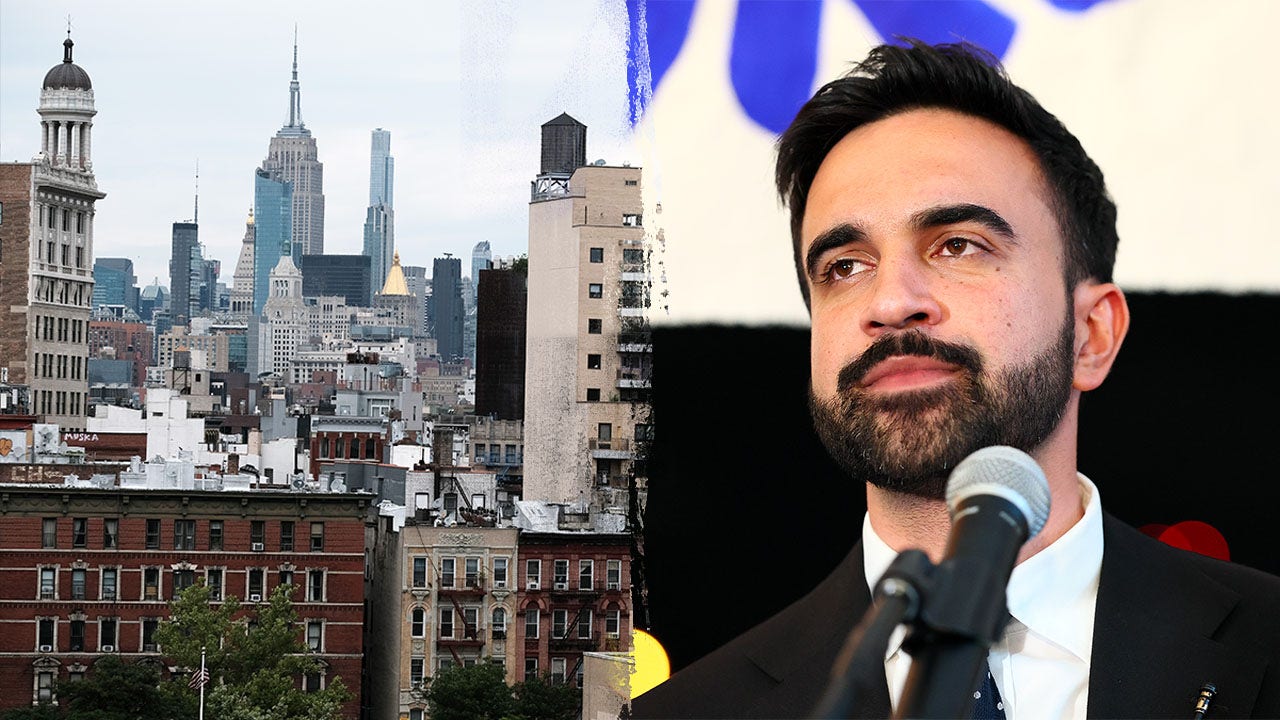
Mapping Wealth and Safety: The Doxing Debate in New York City
Public records and property disclosures published as part of municipal tax debates have ignited a fierce debate over privacy and safety after prominent figures reported being targeted online. Scott Galloway stated publicly that he was doxed when his real estate holdings were featured on a map distributed by political figures in New York City.
The controversy centers around a public rollout of housing data and tax proposals aimed at wealthy property owners in the five boroughs. Critics argue that publicizing specific residential addresses functions as a dangerous “wanted poster,” while supporters maintain that real estate records are a matter of public domain, intended to foster transparency around property ownership and wealth concentration.
The debate escalated after New York City housing policy discussions brought renewed attention to high-value real estate and secondary residences. As local lawmakers weigh various tax strategies targeting luxury properties, the intersection of public data transparency and personal security has emerged as a central flashpoint for public commentators, real estate investors, and city officials alike.
Scott Galloway Speaks Out on Security Breaches
The controversy gained national traction after Scott Galloway discussed the incident on his media platforms, describing the publication of his property details as an alarming breach of personal security. According to public statements and media coverage of the event, the mapping initiative singled out individuals who own multiple properties or high-value real estate within the city.
Security and privacy advocates have raised concerns that compiling residential addresses into targeted digital formats exposes owners to harassment or physical threats. Conversely, housing activists defend the practice as an essential tool for holding wealthy property holders accountable amid an ongoing affordability crisis. The clash highlights a growing tension between the right to public information and the personal safety risks faced by high-profile individuals whose assets are a matter of public record.
Targeting Second Homes and Luxury Real Estate
The underlying catalyst for the mapping controversy involves proposed tax measures aimed at second homes and luxury real estate in urban centers. Lawmakers and housing advocates have pushed for policies designed to curb speculative buying and generate revenue for public infrastructure by increasing tax burdens on non-primary residences.
Financial Analysts and Real Estate Privacy Strategies
Financial analysts note that while such tax proposals generate significant political debate, their actual economic impact on ultra-wealthy owners is often debated. Real estate planners have responded by advising property owners to review their holding structures, with many exploring options such as trusts or limited liability companies to safeguard their privacy while remaining compliant with municipal tax laws.
As municipal authorities continue to evaluate housing and tax reforms, further public hearings and legislative debates are expected in the coming months. Property owners, privacy advocates, and city officials are monitoring the situation closely as the discussion moves toward formal legislative votes.
What are your thoughts on the balance between public transparency and personal privacy in real estate disclosures? Join the conversation by sharing your perspective in the comments below.
Related reading